If you have scrolled through Instagram or browsed a health magazine recently, you have likely been bombarded with transformation photos attributed to one of two distinct camps: Keto or Paleo.
Both diets have cult-like followings. Both promise to melt away body fat, boost energy, and cure chronic inflammation. Both require you to break up with bread and processed sugar. Because of these surface-level similarities, many beginners confuse the two or assume they are interchangeable.
They are not.
While they share a common enemy (processed carbs), the engines driving these diets are fundamentally different. One focuses on biology and macronutrients (manipulating your hormones to burn fat), while the other focuses on evolution and food quality (eating what our ancestors ate).
If your goal is specifically fast weight loss, picking the wrong one for your lifestyle can lead to frustration and rebound weight gain. This guide breaks down the difference between keto and paleo for weight loss, analyzing the rules, the science, and the verdict on which one you should choose.
Contender 1: The Keto Diet (The Fat-Burning Machine)
The Philosophy:
The Ketogenic (Keto) diet is a high-fat, moderate-protein, and very low-carb diet. It is not interested in history; it is interested in biochemistry.
The Mechanism (Ketosis):
Normally, your body runs on glucose (sugar) derived from carbohydrates. When you drastically cut carbs (usually to under 20–50 grams per day), your body runs out of glucose. To survive, the liver begins converting stored fat into molecules called ketones.
When your blood levels of ketones rise, you enter a metabolic state called Ketosis. In this state, your body becomes a fat-burning machine, using fat as its primary fuel source instead of carbs.
The Macronutrient Split:
To maintain ketosis, you must strictly adhere to these macros:
- Fat: 70–80%
- Protein: 15–20%
- Carbohydrates: 5–10%
What You Eat:
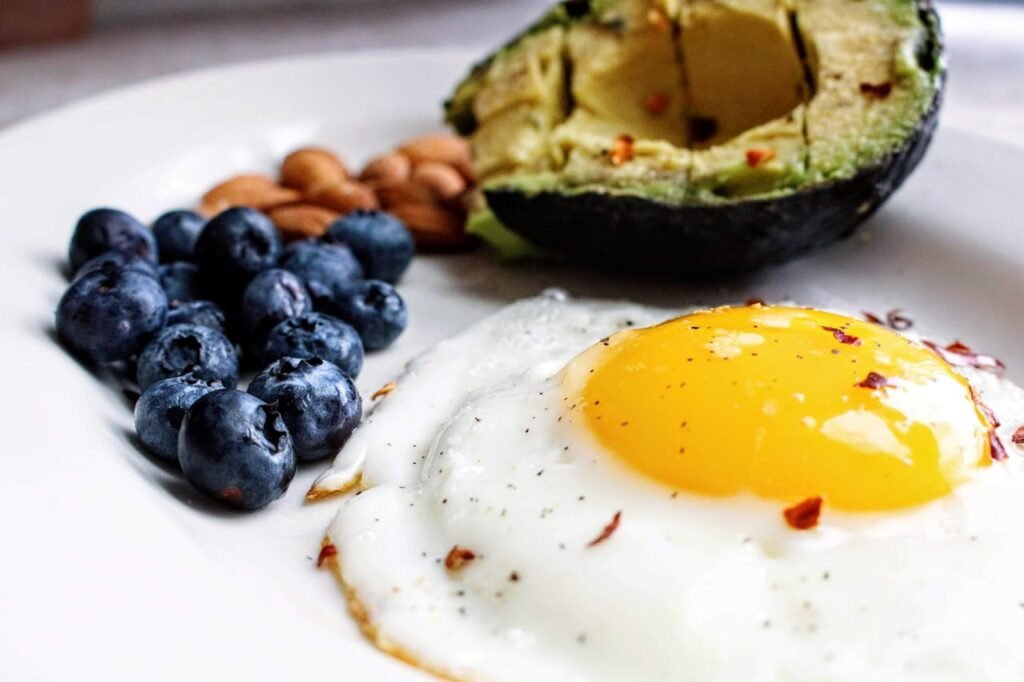
- Yes: Butter, heavy cream, cheese, oils, bacon, fatty fish, avocados, leafy greens.
- No: Grains, sugar, most fruits (except berries), tubers (potatoes), and even too many carrots/onions.
Pros for Weight Loss
- Rapid Initial Drop: Keto is famous for the “whoosh” effect. As you deplete glycogen (stored sugar), your body flushes out the water attached to it. You can lose 5–10 lbs in the first week (mostly water, but motivating).
- Appetite Suppression: Ketones are natural appetite suppressants. Plus, fat is highly satiating. Many people on Keto instinctively eat fewer calories because they just aren’t hungry.
- Fat Targeting: Once adapted, your body is primed to burn adipose tissue (body fat) for fuel 24/7.
Cons to Consider
- The “Keto Flu”: The transition phase (days 3–7) can cause fatigue, headaches, and nausea.
- Strict Tracking: You cannot “guess” on Keto. One apple can kick you out of ketosis. It requires diligence.
Contender 2: The Paleo Diet (The Caveman Lifestyle)
The Philosophy:
The Paleo diet (or Paleolithic diet) is based on the idea that modern humans are genetically mismatched with modern diets. The theory is that farming introduced grains, legumes, and dairy only 10,000 years ago—a blink of an eye in evolutionary terms—and our bodies haven’t adapted to digest them properly.
The Mechanism:
Paleo is not about macronutrients; it is about eliminating inflammation. By removing processed foods, grains, and potential irritants, you lower systemic inflammation, heal the gut, and naturally regulate hunger hormones like leptin and ghrelin.
The Rules:
There are no strict calorie counts or macro percentages. The rule is simple: Eat real food.
What You Eat:
- Yes: Grass-fed meats, fish, eggs, vegetables, fruits, nuts, seeds, healthy oils (olive, coconut).
- No: Grains (wheat, rice, oats), dairy, legumes (beans, peanuts, soy), refined sugar, processed oils (canola/soybean).
Pros for Weight Loss
- Nutrient Density: You are filling up on high-volume, low-calorie foods (veggies and lean meats). It is hard to overeat broccoli and chicken breast.
- Gut Health: By removing gluten, soy, and dairy, many people see a massive reduction in bloating (which looks like weight loss).
- Sustainability: You don’t need an app to track grams of fat. You can eat an apple or a sweet potato if you want one.
Cons to Consider
- Slower Progress: Because you can still eat high-carb foods like bananas, dates, and sweet potatoes, you likely won’t enter ketosis. Weight loss is generally slower and steadier than Keto.
- Social Difficulty: Dining out can be tough when you have to avoid all grains, dairy, and soy oils.
The Showdown: Key Differences
To make the right choice, you need to understand where these two diets clash. Here are the three main battlegrounds:
1. Dairy
- Keto: Loves it. Cheese, butter, and heavy cream are staples because they are high in fat and low in carbs.
- Paleo: Hates it. Dairy is considered inflammatory and evolutionarily “new,” so it is strictly forbidden (though some variations allow grass-fed butter or ghee).
2. Fruit
- Keto: Highly restricted. You are limited to small portions of berries (strawberries, raspberries, blackberries). A single banana has enough carbs to kick you out of ketosis.
- Paleo: Encourage it. Fruit is a natural, whole food. While weight loss versions of Paleo might limit fruit, it is not banned.
3. Sweeteners
- Keto: Allows artificial or zero-calorie sweeteners like Stevia, Erythritol, and Monk Fruit. As long as it doesn’t spike insulin, it’s okay.
- Paleo: Bans “chemical” sweeteners but allows natural sugars like raw honey, maple syrup, and coconut sugar. (Note: These natural sugars will kick you out of ketosis, making them non-Keto friendly).
4. Meats
- Keto: Focuses on the fat. Bacon, ribeye steak, and chicken thighs with skin are preferred. Processed meats (salami) are often acceptable in “Dirty Keto.”
- Paleo: Focuses on the quality. Meat must be grass-fed or organic if possible. Processed meats with nitrates are banned.
The Verdict: Which is Better for Fast Weight Loss?
If we are looking strictly at the speed of the scale moving down in the first 30 to 60 days: Keto Wins.
Why?
Keto forces a metabolic shift that Paleo does not. By depleting glycogen and lowering insulin levels drastically, Keto triggers rapid water loss followed by accelerated fat oxidation. The appetite suppression effect of ketosis also makes it easier to maintain a caloric deficit without feeling like you are starving.
However… there is a catch.
Keto is harder to maintain socially and biologically for long periods. If you stop Keto and go back to eating carbs, you will regain the water weight (approx. 5–8 lbs) almost immediately.
Paleo Wins for:
- Athletes who need carbs for explosive performance (CrossFit, sprinting).
- People with autoimmune issues or gut sensitivity.
- Long-term lifestyle maintenance without tracking apps.
The Hybrid Option: “Paleo-Keto” (Pegan?)
Can’t decide? Many health experts argue that the healthiest approach is actually a combination of both.
Ideally, you want the metabolic flexibility of Keto with the food quality of Paleo. This involves:
- Eating a high-fat, low-carb diet (Keto macros).
- BUT choosing only whole food sources (Paleo quality).
Instead of: Bacon, cheddar cheese, and “Keto-friendly” protein bars.
You Eat: Grass-fed steak, avocado, olive oil, and macadamia nuts.
This approach—sometimes called “Clean Keto”—avoids the inflammation caused by excessive dairy and processed meats while still reaping the fat-burning benefits of ketosis.
Frequently Asked Questions
1. Can I switch between the two?
Yes, but be careful. If you are on Keto and decide to have a “Paleo Day” where you eat sweet potatoes and honey, you will break ketosis. It can take 2–3 days to get back into fat-burning mode.
2. Which is more expensive?
Generally, Paleo is more expensive. The requirement for grass-fed meats, wild-caught fish, and specific grain-free flours (almond/coconut) adds up. Keto can be done cheaply with eggs, canned tuna, and block cheese, although “Clean Keto” is equally pricey.
3. Which is safer?
Both are considered safe for healthy individuals. However, if you have kidney issues, consult a doctor before starting Keto (due to protein/electrolyte shifts). If you have a history of eating disorders, the strict tracking of Keto might be triggering, making Paleo a safer mental health choice.
Conclusion: How to Choose Today
Don’t overthink the science. The best diet for you is the one you can actually stick to for more than three weeks.
- Choose KETO if: You have a significant amount of weight to lose (20lbs+), you want to see fast results to stay motivated, you love savory/fatty foods, and you don’t mind tracking your data.
- Choose PALEO if: You want to improve overall health/digestion, you hate counting calories, you want to eat fruit, or you are an athlete who does high-intensity training.
Both diets prove one undeniable fact: Real food is the answer. Whether you are counting macros or counting ingredients, cutting out processed garbage is the single best step you can take for your body today.