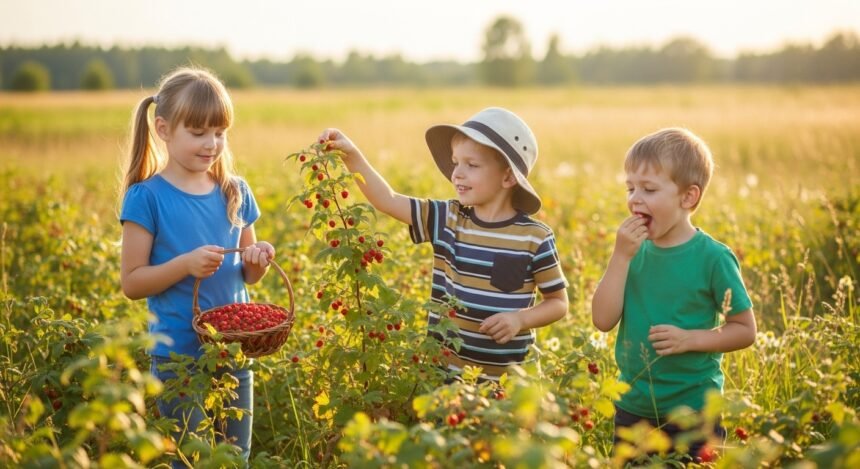
Getting children to eat their five-a-day can sometimes feel like a battle. However, kids berry smoothies* offer a colourful, tasty solution that most little ones cannot resist. Whether you are looking for a quick breakfast option or a *nutritious after school snack, smoothies are a versatile tool in any parent’s culinary arsenal. In this comprehensive guide, we will explore the benefits of berries, how to build the perfect drink, and share delicious recipes that even the pickiest eaters will love.
Why Berries Are a Superfood for Children
Berries are often called nature’s sweets, but they offer far more than just a sugary hit. They are nutritional powerhouses packed with essential vitamins, minerals, and fibre.
Vitamin C and Immunity
Strawberries, raspberries, and blackberries are excellent sources of Vitamin C. This vital nutrient helps support a child’s immune system and aids in the absorption of iron from plant-based foods. Regular intake can be particularly beneficial during the winter months to help ward off colds.
Antioxidants Galore
The deep reds, blues, and purples found in berries come from anthocyanins. These are powerful antioxidants that protect cells from damage. Antioxidant rich drinks for children are a great way to boost their defence systems naturally. According to the NHS Healthier Families programme, fresh, frozen, and tinned fruit all count towards your child’s daily intake, making it easier than ever to include these superfoods in their diet.
Fibre for Digestion
Fibre is crucial for a healthy digestive system. Unlike fruit juices, which often have the fibre removed, blending the whole fruit retains this important nutrient. This helps prevent constipation and keeps little tummies fuller for longer. For more on the importance of fibre, the British Dietetic Association offers excellent guidance for families.
Building the Perfect Smoothie: A Step-by-Step Guide
Creating the perfect smoothie is an art. It requires the right balance of liquid, fruit, and texture. Here is how to construct healthy berry smoothie recipes for toddlers and older children alike.
1. Choose Your Liquid Base
The liquid you choose sets the tone for the smoothie.
* Cow’s Milk: A classic choice providing calcium and protein.
Plant-Based Alternatives:** *Oat milk berry smoothie recipes are gaining popularity due to their creamy texture and natural sweetness.
Water or Coconut Water:** Great for a lighter, more refreshing drink, such as a *summer berry cooler recipe.
If you are raising a child on a dairy-free diet, ensuring they get enough calcium is key. You can find detailed advice on milk alternatives for toddlers from expert nutritionists.
2. Pick Your Fruit: Fresh vs Frozen
Is fresh best? Not always. Frozen berry smoothie benefits include convenience and cost-effectiveness. Frozen fruit is picked at peak ripeness and flash-frozen, locking in nutrients. It also gives the smoothie a thick, ice-cream-like texture that kids adore. BBC Good Food highlights that frozen produce can be just as nutritious as fresh.
3. Add a Thickener
To turn a thin drink into a satisfying meal, add a thickener:
Greek Yoghurt:** Adds creaminess and a protein boost. A *greek yoghurt smoothie for kids is perfect for breakfast.
* Avocado: Adds healthy fats and a velvety texture without a strong flavour.
Oats:** Rolled oats make the smoothie more filling, ideal for *quick breakfast smoothies for school.
4. Smart Sweeteners
Try to avoid added sugars. The fruit should provide enough sweetness. If you need a boost, half a banana or a Medjool date works wonders. Be mindful of sugar intake; Diabetes UK provides useful context on fruit sugars versus free sugars.
Top 5 Kid-Approved Berry Smoothie Recipes
Here are five tested recipes designed to please different palates and dietary needs.
1. The Classic Strawberry Banana
This is the gateway smoothie for many children. It is sweet, creamy, and pink.
* 1 banana (frozen works best)
* 150g strawberries
* 200ml milk (dairy or oat)
* 1 tbsp oats
2. Blueberry Blast (Hidden Veg)
Hidden veg smoothie ideas are a parent’s secret weapon. Spinach blends seamlessly with blueberries, masking the green colour and earthy taste.
* 150g blueberries
* 1 handful fresh spinach
* ½ banana
* 200ml water or coconut water
Spinach is nutrient-dense and safe for kids. You can read more about the benefits of spinach on Healthline.
3. Raspberry Ripple (Dairy-Free)
Looking for dairy free fruit smoothies for kids? This recipe uses creamy coconut yoghurt.
* 150g raspberries
* 2 tbsp coconut yoghurt
* 200ml almond milk (unsweetened)
* 1 tsp honey (only for children over 1 year)
4. The Purple Powerhouse
This strawberries and raspberries smoothie also includes blackberries for a deep purple hue.
* 100g mixed frozen berries
* ½ avocado
* 200ml oat milk
* A drop of vanilla extract
5. The Breakfast Bowl
Instead of a drink, try a banana and berry smoothie bowl. Make the base thicker by using less liquid and serve it in a bowl topped with seeds and sliced fruit.
* 2 frozen bananas
* 100g frozen berries
* 50ml milk
Tips for Picky Eaters
If your child turns their nose up at fruit, do not despair. Here are some strategies to help.
> “Exposure is key. It can take up to 15 tries for a child to accept a new food.”
Change the Presentation
Serve the smoothie in a fun cup with a crazy straw. Presentation can change a child’s perception of the food.
Get Them Involved
Let your child choose the fruit and press the button on the blender. They are more likely to drink something they helped create. The NHS Fussy Eaters guide suggests that involvement in food preparation is a major step forward.
Texture Troubles
Some children dislike the seeds in berries, particularly raspberries and blackberries. If this is an issue, a high-powered blender is essential to pulverise the seeds. Alternatively, you can sieve the mixture, though this removes some fibre. A smooth blueberry smoothie for picky eaters is often the safest bet as blueberries have smaller, softer seeds.

Nutritional Boosters for Extra Health
To make your smoothies even hardworking, consider adding these boosters. They turn a simple drink into immune boosting smoothies for kids.
* Seeds: Chia seeds, flaxseeds, or hemp seeds add Omega-3 fatty acids.
* Nut Butters: Almond or peanut butter adds protein and healthy fats.
* Yoghurt: Live cultures in yoghurt support gut health.
Always check for allergies before introducing nuts. For families following a vegan lifestyle, The Vegan Society has specific advice on nutrition for under-5s.
Essential Safety and Preparation
Washing Fruit
Even if you are blending the fruit, hygiene is paramount. Bacteria can linger on the skin of fresh fruit. Always wash fresh berries thoroughly under cold running water. The Food Standards Agency recommends washing all fruit and veg before eating.
Sugar Awareness
While fruit sugar is natural, smoothies can become calorie bombs if we aren’t careful. Stick to sugar free smoothie recipes by avoiding added syrups or excessive honey. The NHS Sugar Swaps campaign encourages parents to choose lower-sugar options where possible.
Vitamin Supplements
While smoothies are great, the UK government recommends that all children aged 6 months to 5 years are given vitamin supplements containing vitamins A, C, and D every day. You can find more details on NHS Vitamins for Children.
Making Smoothies Part of a Routine
Consistency helps children develop healthy habits. A nutritious after school snack of a berry smoothie can bridge the gap between lunch and dinner, preventing the “hangry” meltdowns.
By keeping a supply of frozen fruit and long-life milk alternatives in the cupboard, you are always ready. Whether it is a summer berry cooler recipe for a hot July afternoon or an oat-heavy breakfast for a cold January morning, smoothies are adaptable to every season.
Also, consider the British Nutrition Foundation advice on snacking: keep portions appropriate for the child’s age to avoid filling them up too much before main meals.
Frequently Asked Questions
1. Can I make smoothies the night before for school mornings?
Yes, you can. However, separation may occur. Give it a vigorous shake or a quick re-blend before serving. Lemon juice can help preserve the colour. For quick breakfast smoothies for school, prepping ingredients in freezer bags the night before is also a great time-saver.
2. are frozen berries as healthy as fresh ones?
Absolutely. Frozen berries are often frozen within hours of picking, retaining their vitamins and minerals. They are also often cheaper and reduce food waste. Frozen berry smoothie benefits include a better texture and higher nutrient retention compared to fresh fruit that has sat in a fridge for a week.
3. How can I hide the taste of vegetables in a smoothie?
Start with spinach or cauliflower. Raw spinach has a very mild flavour that is easily masked by sweet fruits like banana, pineapple, or strawberries. Frozen cauliflower rice adds creaminess without a strong vegetable taste, making for perfect hidden veg smoothie ideas.
4. What is the best liquid base for a toddler’s smoothie?
Whole cow’s milk is excellent for energy and calcium. If you need a dairy-free option, fortified soya or oat milk are good choices. Avoid rice milk for children under five due to arsenic levels. Always choose unsweetened versions to keep it healthy.
5. My child hates seeds. Which berries are best?
Blueberries and strawberries are your best friends here. Raspberries and blackberries have prominent seeds that can annoy texture-sensitive children. A high-speed blender can pulverise strawberry seeds completely, creating a blueberry smoothie for picky eaters that is silky smooth.