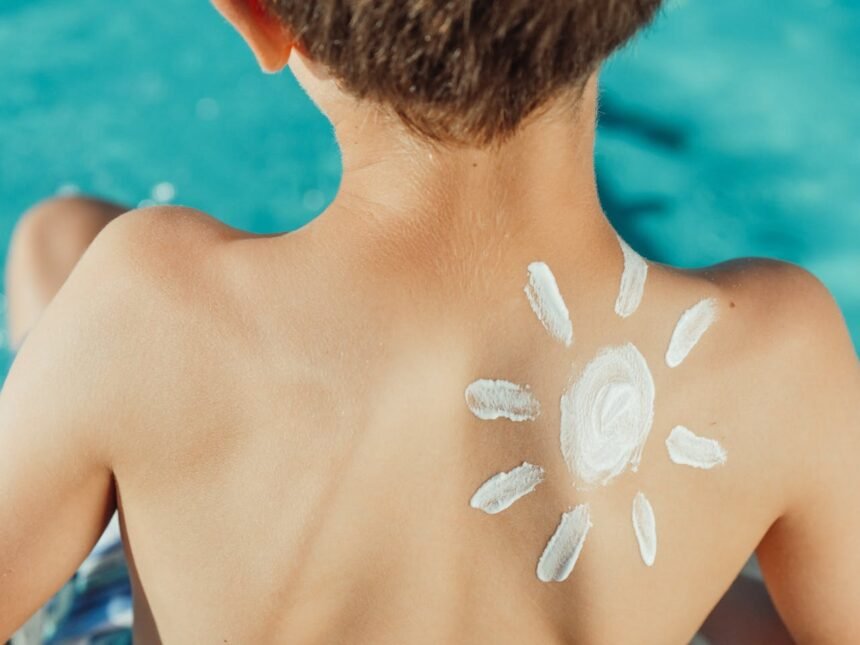
Summer brings the promise of beach days, park picnics, and outdoor adventures. However, for parents, the joy of watching children play outdoors is often accompanied by the anxiety of sun protection. The skin of a child is significantly more delicate than that of an adult, making it more susceptible to lasting damage from ultraviolet (UV) radiation. According to the Skin Cancer Foundation, just one blistering sunburn in childhood or adolescence more than doubles a person’s chances of developing melanoma later in life.
With aisles of pharmacy shelves stocked with colorful bottles, sprays, and sticks, knowing how to choose sun cream for kids can feel overwhelming. Are natural ingredients better? Is a higher SPF always superior? This guide cuts through the marketing noise to provide a professional, science-backed approach to selecting the safest sun protection for your family.
Understanding the Threat: UVA vs. UVB
To make an informed decision, one must first understand what we are protecting against. Sunlight delivers two types of harmful rays that reach the earth’s surface:
- UVA Rays: These have a longer wavelength and penetrate deep into the skin’s thickest layer (the dermis). They are primarily responsible for premature aging and wrinkles, but they also contribute to skin cancer. They can penetrate clouds and glass.
- UVB Rays: These have a shorter wavelength and burn the superficial layers of the skin. UVB rays play a key role in the development of skin cancer.
Effective protection requires a barrier against both types. The American Academy of Dermatology emphasizes that parents must look for the words “Broad Spectrum” on the label, which signifies the product passes regulatory tests for blocking both UVA and UVB radiation proportionally.
Decoding the SPF Number
Sun Protection Factor (SPF) is a measure of how well a sunscreen will protect skin from UVB rays, the kind that causes sunburn. But the numbers can be deceiving.
- SPF 30: Blocks approximately 97% of UVB rays.
- SPF 50: Blocks approximately 98% of UVB rays.
- SPF 100: Blocks approximately 99% of UVB rays.
While it seems intuitive that SPF 100 would be twice as good as SPF 50, the difference in protection is marginal. The U.S. Food and Drug Administration (FDA) suggests that SPF values above 50 do not necessarily offer significantly better protection and might encourage parents to stay out in the sun longer than is safe. For most children, an SPF of 30 to 50 is sufficient, provided it is applied correctly and frequently.
The Great Debate: Mineral (Physical) vs. Chemical Sunscreens
When determining how to choose sun cream for kids, the most critical factor is often the active ingredients. Sunscreens generally fall into two categories: physical (mineral) and chemical.
Mineral Sunscreens
Mineral sunscreens sit on top of the skin and reflect UV rays like a mirror. The active ingredients are typically Zinc Oxide or Titanium Dioxide.
Pros:
- Effective immediately upon application.
- Generally recognized as safe and effective (GRASE) by the FDA.
- Less likely to cause skin irritation or allergic reactions, making them ideal for sensitive skin.
- Reef-safe and environmentally friendly.
Chemical Sunscreens
Chemical sunscreens absorb into the top layer of the skin. They convert UV rays into heat, which is then released from the skin. Common ingredients include avobenzone, octinoxate, and oxybenzone.
Cons:
- Takes about 15-20 minutes to become effective.
- Some ingredients, particularly Oxybenzone, have been flagged by the Environmental Working Group (EWG) as potential hormone disruptors and allergens.
- May sting if run into the eyes.
Comparison Table: Mineral vs. Chemical Sunscreens for Kids
| Feature | Mineral (Physical) Sunscreen | Chemical Sunscreen |
|---|---|---|
| Primary Ingredients | Zinc Oxide, Titanium Dioxide | Oxybenzone, Avobenzone, Octisalate, Octocrylene |
| Mechanism of Action | Reflects and scatters UV rays (Physical barrier) | Absorbs UV rays and converts to heat |
| Activation Time | Immediate protection | Requires 15-20 minutes before sun exposure |
| Texture | Often thicker; may leave a white cast | Thinner, easier to rub in, no white residue |
| Skin Sensitivity | Low irritation risk; best for eczema/sensitive skin | Higher risk of irritation or allergic reaction |
| Safety Profile | Considered safe for babies (>6 months) and kids | Some ingredients under scrutiny for systemic absorption |
For children, especially those with sensitive skin or eczema, pediatric dermatologists often recommend mineral sunscreens containing Zinc Oxide.
Age-Appropriate Guidelines
Sun safety strategies change as your child grows. The American Academy of Pediatrics (AAP) provides specific guidelines based on age.
Infants (Under 6 Months)
Ideally, babies under 6 months should be kept out of direct sunlight entirely. Their skin possesses little melanin and is too immature to handle UV radiation or the chemicals in sunscreens.
- Strategy: Use shade structures, umbrellas, and strollers with canopies.
- Clothing: Dress infants in lightweight long pants and long-sleeved shirts.
- Sun Cream: Use only as a last resort on small areas (like the face and back of hands) if shade is unavailable. Stick to mineral-based formulas.
Toddlers and Children (6 Months +)
Once a child passes the six-month mark, sunscreen becomes a staple of outdoor play.
- Selection: Choose a broad-spectrum, water-resistant sunscreen with SPF 30+.
- Patch Test: Before slathering a new brand all over your child, apply a small amount to the inside of their wrist to check for a reaction.
Form Factors: Lotion, Spray, or Stick?
Convenience often drives parental choice, but efficacy and safety should come first.
- Lotions/Creams: These provide the best coverage. You can see exactly where you have applied the product, ensuring no missed spots.
- Sticks: Excellent for the face, specifically around the eyes, as they are less likely to migrate and sting. They are also convenient for travel.
- Sprays: While convenient, sprays pose risks. The Centers for Disease Control and Prevention (CDC) warns that it is difficult to tell if you have used enough spray to cover all exposed skin. Furthermore, there is a risk of children inhaling the aerosolized chemicals. If you must use a spray, spray it into your hands first and then rub it onto your child’s skin.
Application: The “Teaspoon Rule”
Even the best sunscreen fails if applied incorrectly. Studies show that most people apply only 25-50% of the recommended amount of sunscreen.
- Quantity: A good rule of thumb is roughly one ounce (a shot glass full) to cover an adult’s body. For children, aim to cover every exposed inch generously.
- Timing: Apply chemical sunscreens 15 to 30 minutes before going outside. Mineral sunscreens work immediately but still benefit from being applied before hitting the sand or grass.
- Reapplication: This is non-negotiable. Reapply every two hours, or immediately after swimming or excessive sweating. Note that “Water Resistant” does not mean “Waterproof.” According to the Mayo Clinic, sunscreens are usually rated for 40 or 80 minutes of water resistance.
Identifying and Avoiding Harmful Ingredients
Beyond the active ingredients, parents should scan the inactive ingredients list.
- Fragrances: Artificial fragrances are a leading cause of contact dermatitis. Look for “fragrance-free” rather than “unscented” (which may contain masking scents).
- Preservatives: Methylisothiazolinone (MI) is a preservative that can cause allergic reactions.
For children with conditions like eczema, resources like the National Eczema Association offer lists of accepted products that are free from common irritants.
Beyond the Bottle: Holistic Sun Safety
Sun cream is just one tool in the arsenal. The World Health Organization (WHO) advocates for a comprehensive approach to sun protection, utilizing the UV Index as a guide.
- Protective Clothing: Look for clothing with an Ultraviolet Protection Factor (UPF) rating. A standard white t-shirt only offers an SPF of about 7; a wet t-shirt offers even less.
- Hats and Sunglasses: A wide-brimmed hat protects the face, ears, and neck. Sunglasses with 100% UV protection are vital for protecting young eyes from long-term damage like cataracts.
- Timing: The sun’s rays are strongest between 10 a.m. and 4 p.m. Use the Environmental Protection Agency (EPA) SunWise resources to teach children about shadow lengths—if your shadow is shorter than you, the sun is strong, and you should seek shade.
Conclusion
Choosing the right sun protection is a balance of science, safety, and practicality. When deciding how to choose sun cream for kids, prioritize broad-spectrum, mineral-based formulas (Zinc Oxide or Titanium Dioxide) with an SPF of 30 or higher. Remember that the best sunscreen is the one your child will tolerate and that you will apply consistently.
Summer is a time for building memories, not sunburns. By equipping yourself with the right knowledge and the right products, you can ensure your children enjoy the sunshine safely and healthily for years to come.