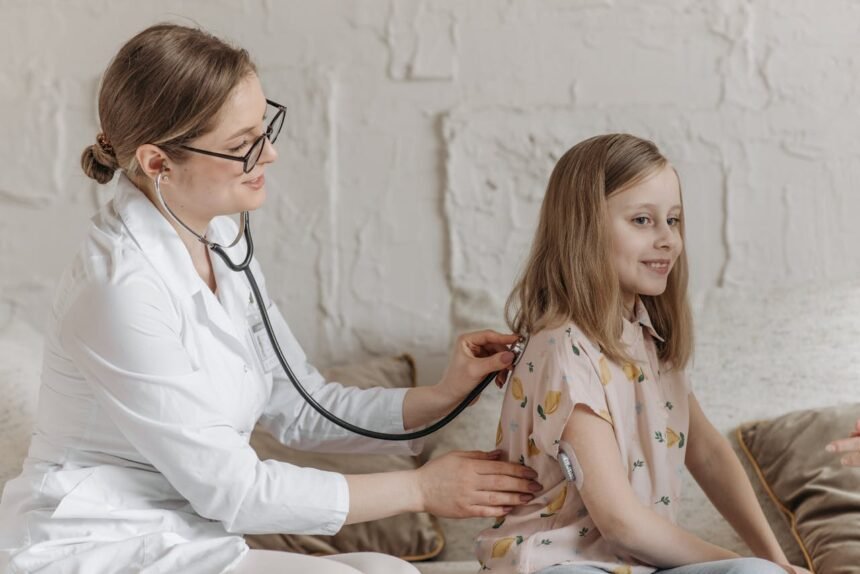
As a parent, few things are as distressing as watching your child struggle to breathe. From the common cold to more persistent conditions like asthma, respiratory health is a primary concern for families across the UK. Children’s lungs are not merely smaller versions of adult lungs; they are developing organs that are uniquely vulnerable to environmental factors and infections.
This guide explores practical steps to protect your child’s respiratory system, identifies signs of weak lungs in a child, and offers actionable advice for building long-term health.
Why Lung Health is Critical for Growing Children
A child’s lungs grow and develop from birth well into their teenage years. During this period, they are highly susceptible to damage from pollutants, allergens, and infections. Ensuring healthy lung development is crucial because poor respiratory health in childhood can lead to lifelong issues, including reduced lung capacity and chronic obstructive pulmonary disease (COPD) later in life.
According to the Royal College of Paediatrics and Child Health, children breathe faster than adults, meaning they inhale more pollutants relative to their body weight. This makes protecting children from air pollution a vital priority for every parent.
Common Respiratory Issues in UK Children
Understanding the most prevalent conditions can help you act quickly and effectively.
Asthma: The Most Common Chronic Condition
Asthma affects one in every eleven children in the UK. It causes the airways to narrow and swell, leading to wheezing and shortness of breath. While many children outgrow it, proper management is essential.
Key triggers include:
* Pollen and hay fever
* Dust mites
* Cold air
* Exercise
* Viral infections
If you suspect your child has asthma, establishing a clear action plan with your GP is vital. Organisations like Asthma + Lung UK provide excellent resources for managing daily symptoms.
Viral Infections: RSV and Bronchiolitis
Respiratory Syncytial Virus (RSV) is a common virus that causes coughs and colds. In young children, it can lead to bronchiolitis, an inflammation of the small airways in the lung.
Respiratory syncytial virus UK symptoms* often start like a cold—runny nose and mild fever—but can progress to persistent coughing and wheezing. Parents often worry about the *long term effects of bronchiolitis, but the good news is that most children recover fully without lasting damage, though some may have increased sensitivity to coughs for a few years.
Spotting the Signs: When to Worry
It can be difficult to distinguish between a harmless sniffle and a serious problem. You might notice a toddler wheezing but no fever*, or a *persistent cough in a child with no fever in the UK winter months. While these are often managed at home, certain signs demand immediate medical attention.
Red Flags: When to Call 999
According to the NHS, you should seek urgent help if your child:
* Has blue lips or skin (cyanosis).
* Is struggling to breathe (you may see their tummy sucking in under their ribs).
* Has pauses in their breathing.
* Is making a grunting noise with every breath.
* Is unusually lethargic or difficult to wake.
Environmental Factors: The Air They Breathe
We cannot always control the air outside, but we can significantly improve the environment within our homes.
Indoor Air Quality & Allergens
Modern homes are often well-insulated, which keeps heat in but can also trap moisture and pollutants. Poor ventilation leads to damp and mould, which are disastrous for little lungs.
Dust mites are another invisible enemy. These microscopic creatures thrive in bedding and soft toys. Allergy UK recommends washing bedding at 60°C to kill mites and reduce allergens. Using an indoor air quality monitor for home UK use can also help you track humidity and particulate levels, alerting you when to open a window.
Passive Smoking
The effects of passive smoking on babies and children are severe. Second-hand smoke damages developing lung tissue and increases the risk of Sudden Infant Death Syndrome (SIDS), as highlighted by The Lullaby Trust. A smoke-free home and car are non-negotiable for healthy lungs.
Boosting Lung Health: Practical Tips for Parents
Strengthening your child’s respiratory system involves a combination of diet, activity, and care.
Nutrition for Respiratory Strength
What your child eats plays a role in how well their lungs function. Foods to strengthen lungs for asthma and general health include those rich in antioxidants, magnesium, and vitamins C and E.
* Oily fish: High in Omega-3 fatty acids, which may reduce inflammation.
* Berries and Citrus Fruits: Packed with Vitamin C to support the immune system.
* Leafy Greens: Spinach and kale provide essential magnesium.
Ensuring your child gets enough vitamins for lung health in children—particularly Vitamin D, which supports immune function—is also recommended by health authorities, especially during UK winters.
Exercise and Play
Physical activity forces the lungs to work harder, which strengthens them over time. Parents of asthmatic children often worry about triggering an attack, but avoiding exercise is rarely the answer. Instead, look for the best sports for asthmatic child participation. Swimming is often recommended because the warm, moist air is less likely to trigger airways than cold, dry air.
Team sports like football or netball, which allow for short bursts of energy rather than continuous endurance, are also excellent choices. Always ensure your child has their reliever inhaler nearby.
Fun Breathing Exercises
Teaching children how to control their breath can help them manage anxiety and improve lung capacity. Breathing exercises for kids with asthma can be turned into games:
- Hot Air Balloon: Have your child sit cross-legged and imagine filling a giant balloon in their tummy as they inhale deeply, then slowly deflating it.
- Feather Race: Use a straw to blow a feather across a table. This encourages controlled, prolonged exhalation.
Natural Remedies and Care
When illness strikes, parents often look for gentle ways to help. If you are searching for natural remedies for child cough UK approved options, hydration is key. Warm honey and lemon drinks (for children over one year) can soothe a sore throat.
To help clear phlegm from child’s chest naturally, encourage them to stay upright during the day and keep them well-hydrated to thin the mucus. Steam inhalation (in a safe, supervised bathroom environment) can also loosen congestion.
If you notice a child breathing heavy at night when sleeping, it could be a sign of enlarged tonsils or adenoids (sleep apnoea) rather than a lung issue. A referral to an ear, nose, and throat (ENT) specialist at a centre like Great Ormond Street Hospital may be necessary.
Conclusion
Prioritising kids lung health is an investment in their future. By keeping their environment clean, encouraging an active lifestyle, and staying alert to symptoms, you give your child the best chance at a healthy, active life.
Remember, persistent issues should always be checked by a professional. If you are worried about signs of weak lungs in child development, consult your GP or a paediatrician.
For more global perspectives on air safety, the World Health Organization offers extensive data on the impact of pollution on child health.
—
Frequently Asked Questions
1. How do I know if my child has asthma or just a bad cough?
Asthma often presents with a wheeze (a whistling sound), shortness of breath, and a cough that worsens at night or after exercise. If the cough persists for weeks or responds well to asthma medication, it is likely asthma. Consult Asthma + Lung UK for a symptom checker.
2. Can air purifiers help my child’s lung health?
Yes, high-quality air purifiers with HEPA filters can reduce indoor allergens like dust mites, pet dander, and pollen. However, they should be part of a broader strategy that includes regular cleaning and ventilation to ensure protecting children from air pollution indoors.
3. Is it safe for my child to play outside in the city?
Generally, yes, the benefits of exercise outweigh the risks. However, on days with very high pollution levels, it is wise to limit strenuous outdoor activity. You can check daily pollution forecasts via DEFRA.
4. My child wheezes when they have a cold. Is this asthma?
Not necessarily. Many young children experience “viral induced wheeze” only when they have a cold. They often grow out of this by school age. However, if they wheeze between colds, it may be asthma.
5. What are the best foods for lung health?
A diet rich in fruits, vegetables, and oily fish supports lung function. Focus on foods to strengthen lungs for asthma, such as berries, broccoli, and salmon, which have anti-inflammatory properties.