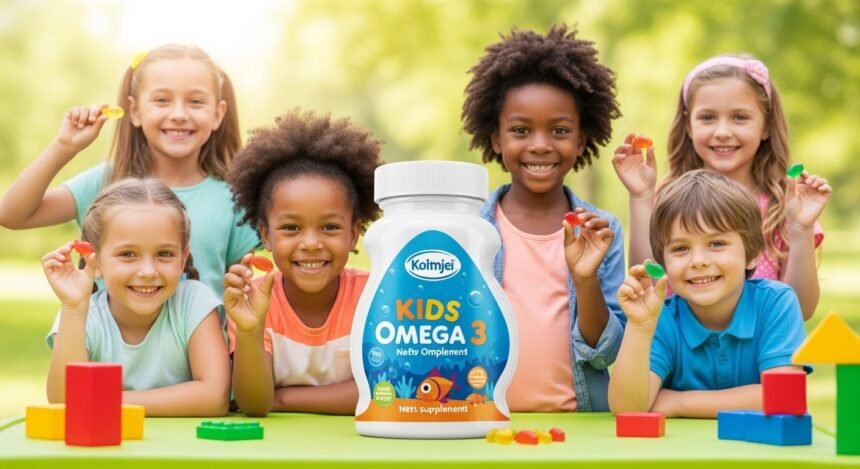
As parents, we are constantly bombarded with advice on what to feed our little ones. Amongst the noise, one nutrient consistently stands out for its critical role in child development: Omega-3. Whether you are looking for omega 3 drops for toddlers or wondering if fish oil can help with concentration, understanding these essential fatty acids is key to supporting your child’s health.
In this comprehensive guide, we will explore everything you need to know about kids omega 3, from the science behind brain development to practical tips for even the fussiest eaters.
Why Do Children Need Omega-3?
Omega-3 fatty acids are termed ‘essential’ because our bodies cannot produce them on their own; we must obtain them from our diet. For children, these fats are the building blocks of a healthy brain and nervous system.
Brain Development and Function
The human brain grows at a rapid rate during early childhood. One specific type of Omega-3, DHA (docosahexaenoic acid), makes up a significant portion of the brain’s structure. Adequate intake is linked to better cognitive function and learning capabilities. Many parents search for information on omega 3 for child brain development, and for good reason—it is crucial for laying the foundations of learning.
Eye Health
DHA is also a major structural component of the retina. Ensuring your child gets enough of this nutrient supports healthy vision development, which is vital as they start school and begin reading.
Behaviour and Concentration
There is growing interest in fish oil benefits for child behaviour. While not a ‘cure-all’, some research suggests that Omega-3 supplementation may help support attention spans and reduce hyperactivity in some children. A review by the Cochrane Library notes that while evidence varies, there is a potential link between healthy fatty acid levels and improved behavioural outcomes.
> Did You Know?* Low levels of Omega-3s have been observed in some children with learning difficulties, prompting many parents to explore *omega 3 supplementation for concentration.
Understanding the Types: DHA vs EPA for Kids
Not all Omega-3s are created equal. When reading labels, you will likely see three acronyms:
* ALA (Alpha-linolenic acid): Found in plant oils like flaxseed and walnuts. The body must convert ALA into EPA and DHA to use it effectively, but this conversion rate is very low in humans.
* EPA (Eicosapentaenoic acid): Best known for its anti-inflammatory properties and supporting heart health.
* DHA (Docosahexaenoic acid): The most critical for brain and eye development in children.
When choosing a product, understanding dha vs epa for kids is vital. For general growth and brain development, prioritise a higher DHA content. If you are addressing mood or behaviour, a balance of EPA may also be beneficial.
Recommended Dosage: How Much is Enough?
One of the most common questions parents ask is: “How much omega 3 for 5 year old children is safe?”
While there is no single official Daily Value, health organisations offer guidelines based on age. The British Dietetic Association suggests aiming for the equivalent of one portion of oily fish per week, or a daily supplement if diet is insufficient.
* Infants (0-12 months): 500 mg total Omega-3s (often met via breast milk or formula).
* Toddlers (1-3 years): Approx. 700 mg of ALA (or direct DHA/EPA sources).
* Children (4-8 years): Approx. 900 mg.
* Older Children (9-13 years): 1,000–1,200 mg.
Always consult the specific product label or a healthcare professional, especially when using concentrated liquid omega 3 for children.
Natural Sources of Omega-3 for Children
Food should always be the first port of call. Integrating natural sources of omega 3 for children into family meals is the best way to ensure consistent intake.
Oily Fish (The Gold Standard)
Oily fish provides direct DHA and EPA, which the body can use immediately. The NHS recommends at least two portions of fish a week, including one oily portion. Excellent choices include:
* Salmon
* Mackerel
* Sardines
* Trout
Plant-Based Sources
For vegetarian families, getting enough healthy fats requires planning. Good sources of ALA include:
* Chia seeds
* Flaxseeds (linseeds)
* Walnuts
* Rapeseed oil
However, because the conversion from ALA to DHA is inefficient, many experts recommend algae oil for kids as a direct plant-based source of DHA.

Supplements: Gummies, Liquids, or Chews?
If your child refuses fish, you are not alone. Fortunately, the market is full of options. Here is how to choose:
1. Liquid vs Gummies
When debating omega 3 gummies vs liquid*, consider the dosage. Liquid forms often contain higher concentrations of EPA and DHA per serving compared to gummies. However, gummies are generally more palatable. *Liquid omega 3 for children can be easily hidden in smoothies or yoghurt.
2. Drops for Toddlers
For the youngest family members, omega 3 drops for toddlers are ideal. They are usually flavourless or mildly fruit-flavoured and can be administered directly or mixed with milk.
3. Chewables
Chewable omega 3 for picky eaters is a great middle ground. These ‘burstlets’ or soft chews often mask the fishy taste with fruit flavours like orange or strawberry.
4. Vegan Options
Vegan omega 3 for kids is typically derived from marine algae. This is actually where fish get their Omega-3 from! It is sustainable and free from fish allergens. The Vegan Society highlights algae oil as a reliable source for those on a plant-based diet.
Safety and Side Effects
Generally, Omega-3 supplements are very safe. However, parents should be aware of potential fish oil side effects in toddlers. These are usually mild and may include:
* Fishy aftertaste or ‘burps’.
* Minor stomach upset or loose stools.
* Bad breath.
To minimise these risks, consider the best time to give child fish oil. Administering it with a main meal can improve absorption and reduce digestion issues.
Spotting a Deficiency
Could your child be low on these essential fats? Potential signs of omega 3 deficiency in child health can be subtle but may include:
* Dry, flaky skin or eczema (commonly associated with fatty acid deficiency).
* Poor concentration or fatigue.
* Brittle nails.
If you are concerned, consult your GP or a paediatric dietitian. Resources like Heart UK provide excellent advice on balancing dietary fats.
Sustainability and Purity
When buying fish oil, look for certification from bodies like the Marine Stewardship Council to ensure sustainability. Additionally, ensure the product is purified to remove heavy metals like mercury, a concern raised by Gov.uk regarding fish consumption.
Frequently Asked Questions
1. What is the best time to give child fish oil?
The best time is usually during a meal that contains some other fats, such as lunch or dinner. This aids absorption and reduces the likelihood of ‘fishy burps’ or an upset stomach.
2. Can I give adult fish oil to my child?
It is best to avoid adult capsules for young children due to the choking hazard and different dosage requirements. Stick to products formulated for children, such as omega 3 drops for toddlers, to ensure safe levels of Vitamins A and D, which are often added to fish oils.
3. How long does it take to see fish oil benefits for child behaviour?
Omega-3s are not a quick fix. It can take up to 3 months of consistent supplementation for levels to build up in the body and for you to notice any changes in concentration or behaviour.
4. Is algae oil as good as fish oil?
Yes. Algae oil for kids* provides the same DHA and EPA found in fish but from a sustainable, plant-based source. It is an excellent *vegan omega 3 for kids option.
5. What if my child hates the taste?
Try chewable omega 3 for picky eaters* or mix *liquid omega 3 for children into strong-tasting foods like fruit puree, yoghurt, or a smoothie. Storing the oil in the fridge can also reduce the fishy taste.
Conclusion
Ensuring your child gets enough Omega-3 is a powerful way to support their long-term health, brain function, and well-being. Whether you choose grilled salmon twice a week, vegan omega 3 for kids, or a high-quality supplement, consistency is key.
For more detailed nutritional advice, reliable sources like the British Nutrition Foundation and First Steps Nutrition Trust offer a wealth of information to help you make the best choices for your family. Remember, a healthy diet is about balance, and Omega-3 is just one important piece of the puzzle.