Every parent wants their child to grow up strong, healthy, and full of energy. However, navigating the aisles of the local supermarket can often feel like an obstacle course of sugary treats and processed snacks. The term “superfood” is frequently tossed around in the media, but what does it actually mean for your little ones?
In reality, there is no medical definition for a superfood. Instead, it is a helpful way to describe nutrient dense meals for children—foods that pack a large punch of vitamins, minerals, and antioxidants per serving. By incorporating these powerhouses into your family’s diet, you can support everything from brain development to a robust immune system.
This guide will explore the best foods to fuel your child’s potential, offering practical tips for even the fussiest of eaters.
Essential Nutrients for Growing Bodies
Before we dive into specific foods, it is vital to understand what growing bodies actually need. Children are not just miniature adults; their nutritional requirements are distinct because they are constantly developing.
* Calcium & Vitamin D: Essential for strong bones and teeth. The NHS Vitamins for Children guide recommends that all children aged 6 months to 5 years are given vitamin supplements containing vitamins A, C, and D every day.
* Iron: Critical for cognitive development. A lack of iron can lead to tiredness and poor concentration.
* Omega-3 Fatty Acids: The building blocks of the brain.
* Fibre: Vital for a healthy digestive system.
According to the British Nutrition Foundation, establishing healthy eating habits early on can set the stage for a lifetime of wellness.
Top Superfoods for Children
Here are some of the most accessible and beneficial foods you can easily add to your weekly shop.
1. Berries: Nature’s Sweeties
Strawberries, blueberries, and raspberries are bursting with antioxidants and Vitamin C. They are perfect for boosting the immune system and helping cuts and grazes heal. Unlike sweets, they provide a sweet treat without the energy crash.
2. Eggs: The All-Rounder
Eggs are a fantastic source of high-quality protein and choline, which is important for brain development. They are incredibly versatile—boiled, scrambled, or poached. For iron rich meals for toddlers, serve eggs with wholemeal toast fingers.
3. Oily Fish: Brain Power
The benefits of oily fish for children are well-documented. Salmon, mackerel, and fresh tuna contain high levels of Omega-3 fatty acids, which are crucial for brain function and eye health. The British Heart Foundation suggests aiming for two portions of fish a week, one of which should be oily.
4. Oats: Slow Release Energy
If you want to avoid the mid-morning slump, oats are your best friend. As one of the best slow release energy foods, oats provide a steady stream of fuel for active kids. Porridge made with milk creates a calcium-rich breakfast that keeps tummies full until lunch.
5. Yoghurt: Gut Health
Gut friendly foods for kids are gaining attention as we learn more about the microbiome. Natural or Greek yoghurt is packed with calcium and probiotics (healthy bacteria). Be wary of fruit-flavoured yoghurts marketed at children, as they often contain hidden sugars. Instead, sweeten plain yoghurt with fresh fruit or a drizzle of honey (for children over 1).
6. Sweet Potato: The Vitamin A Hero
Sweet potatoes are rich in beta-carotene, which the body converts to Vitamin A—essential for good vision. They are naturally sweet and often more palatable to children than regular potatoes.
Clever Ways to Serve “Boring” Foods
We all know the struggle of a child refusing anything green. Here are some strategies to introduce superfoods without the drama.
> “The goal is not to trick children permanently, but to expose their palates to nutritious flavours until they learn to enjoy them.”
The Smoothie Solution
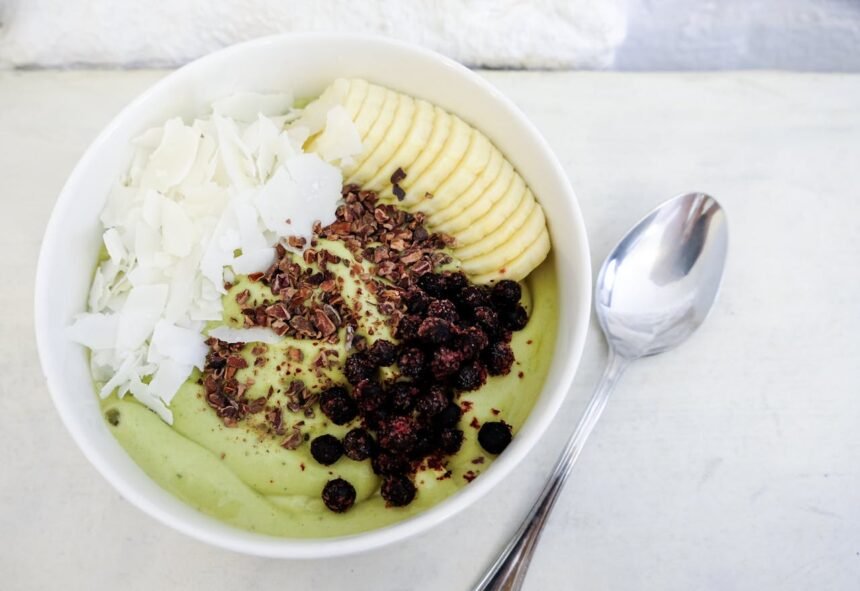
Healthy smoothies for kids* are an excellent vehicle for spinach, kale, and avocados. When blended with banana and berries, the green taste is completely masked. This is a great way to introduce *vitamin c rich fruits for kids alongside leafy greens.
Hidden Veg Pasta Sauce
A hidden veg pasta sauce is a classic parenting hack. Roast peppers, courgettes, onions, and carrots, then blitz them into a smooth tomato sauce. It adds depth of flavour and a massive nutrient boost to a simple bowl of pasta. For excellent recipe ideas, check out NHS Healthier Families.
Avocado Adventures
Avocados are full of healthy monounsaturated fats. If the texture puts your child off, try avocado recipes for toddlers such as smashing it onto toast with a little lemon juice or blending it into a chocolate mousse (yes, really!).
Smart Snacking and Lunchboxes
Snack time is often where healthy eating plans fall apart. Processed snacks are convenient but often lack nutritional value. The Oral Health Foundation warns that frequent consumption of sugary snacks is a leading cause of tooth decay in UK children.
Healthy Lunchbox Fillers
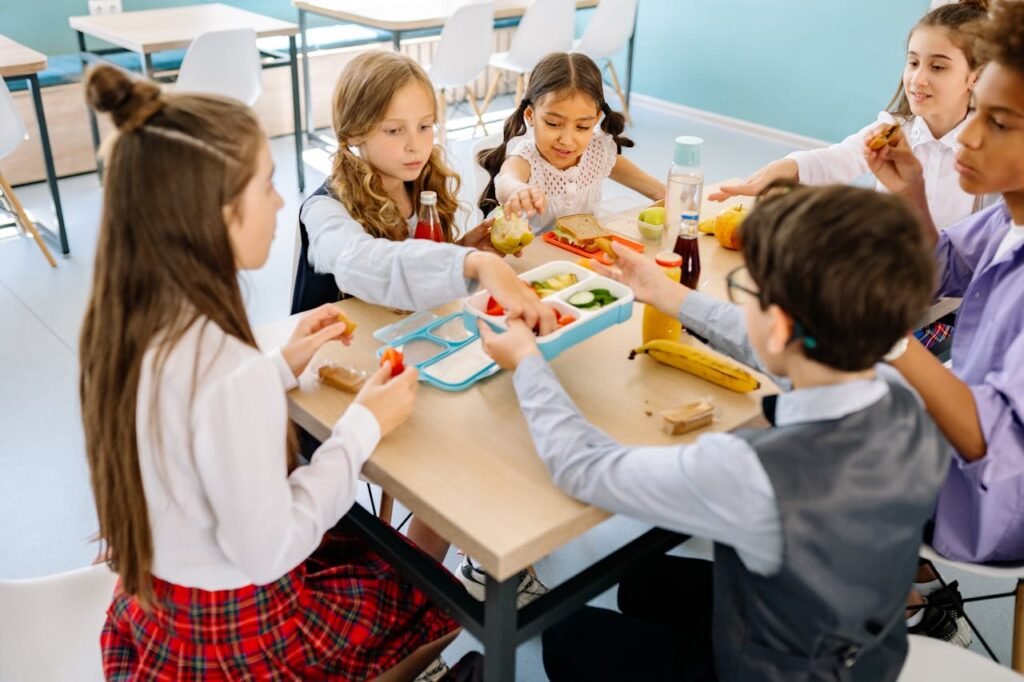
Creating a balanced packed lunch doesn’t have to be a chore. Focus on variety:
* Main: Wholemeal wrap with chicken or hummus.
* Veg: Carrot sticks, cucumber wheels, or cherry tomatoes.
* Fruit: Apple slices or easy-peeler satsumas.
* Dairy: A cheese string or small yoghurt.
For more inspiration, the NHS Eatwell Guide shows how much of what we eat overall should come from each food group.
Healthy Snacks for Toddlers
Toddlers have small stomachs and need frequent refueling. Try these simple swaps:
* Healthy alternatives to crisps: Try plain popcorn (air-popped) or roasted chickpeas.
Fruit kebabs:** Making food fun can encourage *fussy eaters to try new things.
* Cheese cubes: A great calcium booster.
Immunity and Study Boosts
As children grow, their needs change. School-aged children face different challenges, from exam stress to the winter bug season.
Natural Immune Boosters for Kids
Diet plays a huge role in immunity. Natural immune boosters for kids include citrus fruits (Vitamin C), red peppers, and garlic. Ensuring your child eats a “rainbow” of fruit and vegetables is the best defence. For specific guidance on portion sizes for different ages, The Caroline Walker Trust offers excellent resources.
Best Brain Food for Exams
When exams approach, nutrition can help concentration. Best brain food for exams includes walnuts, blueberries, and wholegrains. Hydration is also key; even mild dehydration can affect focus.
Special Dietary Needs
More families are exploring plant-based diets or managing allergies. It is crucial to ensure no nutrients are missed.
Calcium Rich Non-Dairy Foods
If your child cannot have dairy, you must look for calcium rich non dairy foods. Good options include:
* Fortified soya or oat milk.
* Broccoli.
* Almonds (ground for younger children).
* Tofu.
The BDA Food Fact Sheet provides detailed advice on ensuring calcium intake without dairy.
Addressing Iron Deficiency
Iron is vital for energy. Iron rich foods for babies and toddlers include red meat, lentils, and fortified cereals. Combining these with Vitamin C (like a glass of orange juice) helps the body absorb the iron more efficiently.
Healthy Start Scheme
If you have children under 4 or are pregnant, you may be eligible for the Healthy Start scheme. This provides help to buy healthy food and milk, as well as free vitamins. It is a fantastic government initiative ensuring every child gets the start they deserve.
Conclusion
Feeding your children “superfoods” does not require expensive ingredients or hours in the kitchen. It is about making simple, consistent swaps—choosing wholegrain over white, whole fruit over juice, and water over fizzy drinks. By focusing on nutrient-dense whole foods, you are giving your children the tools they need to grow, learn, and play.
Remember, you don’t have to be perfect. As Start4Life suggests, it is about the overall balance of the diet over a week, not a single meal. Keep offering healthy choices, lead by example, and watch them thrive.
—
Frequently Asked Questions
1. Do my children really need vitamin supplements if they eat well?
The UK Department of Health recommends that all children aged 6 months to 5 years take a daily supplement containing Vitamins A, C, and D. This is because it is difficult to get enough Vitamin D from food alone, especially in the UK where sunlight is limited during winter months.
2. How can I get my fussy eater to try superfoods?
Patience is key. It can take 10-15 tries before a child accepts a new food. Involve them in the cooking process or try the hidden veg pasta sauce trick. You can also use the NHS Food Scanner App to find healthier swaps for their favourite brands.
3. Is fresh fruit better than frozen?
Not necessarily! Frozen fruit and vegetables are often frozen within hours of picking, locking in the nutrients. They are just as nutritious as fresh options and often cheaper and more convenient for making healthy smoothies for kids.
4. Can a child have too much fibre?
While fibre is important, too much can fill a small child’s stomach up before they have eaten enough calories and other nutrients. For children under 2, you don’t need to choose only wholegrain varieties; a mix of white and wholemeal is fine. Refer to Diabetes UK for advice on balanced carbohydrate intake.
5. What are good sugar-free snacks for school?
Schools often have policies on healthy snacks. Great options include rice cakes with cream cheese, vegetable sticks with hummus, hard-boiled eggs, or a small box of raisins (though dried fruit is best eaten at mealtimes to protect teeth).