When you feel the first tickle of a sore throat or the sniffles of a coming cold, your instinct probably drives you toward the fruit bowl. For decades, oranges have held the title of the ultimate immune-boosting superfood. It is a belief ingrained in us from childhood: eat an orange, get your Vitamin C, and stay healthy. However, nutritional science suggests that the reigning champion of citrus might have a serious competitor lurking in the produce aisle.
While oranges are undoubtedly nutritious, the fuzzy, unassuming kiwi fruit (often simply called kiwi) packs a surprisingly powerful nutritional punch. Many people do not realise that this small fruit often surpasses its citrus counterparts in nutrient density. Whether you are looking to bolster your body’s natural defences or simply improve your overall dietary quality, understanding the differences between these two fruits is essential.
In this article, we analyse the nutritional data to see how kiwi fruit compares to oranges, specifically regarding Vitamin C content, bioavailability, and overall health benefits. We will explore why it might be time to rethink your go-to fruit for immunity.
Overview: The Vital Role of Vitamin C
Before pitting these fruits against one another, it is crucial to understand why Vitamin C (ascorbic acid) is so vital for human health. Unlike most animals, humans cannot synthesise Vitamin C endogenously. We must obtain it strictly through our diet. It is a water-soluble vitamin, meaning your body does not store it in large amounts; any excess is excreted through urine. Consequently, you need a continuous daily supply to maintain optimal health.
Vitamin C acts as a potent antioxidant. It helps protect cells from the damage caused by free radicals—unstable molecules that contribute to oxidative stress and inflammation. Furthermore, it plays a critical role in the synthesis of collagen, a protein required to help wounds heal and to maintain the integrity of your skin, blood vessels, and bones. According to the NHS guidelines on vitamins, a lack of Vitamin C can lead to scurvy, a condition characterised by muscle weakness, joint pain, and bleeding gums.
While severe deficiency is rare in developed nations, sub-optimal intake is common. Ensuring you consume distinctively high-quality sources of this nutrient is the best way to support your immune system function and general vitality. This is where the choice between an orange and a kiwi becomes significant.
Kiwi vs. Orange: A Nutritional Breakdown
When we look strictly at the numbers, the results are quite surprising for many. The kiwi fruit is often nutritionally superior to the orange, gram for gram. This is not to say oranges are unhealthy, but rather that kiwis are exceptionally dense in nutrients.
Vitamin C Content
A medium-sized orange typically provides a respectable amount of Vitamin C, often fulfilling a large portion of your daily requirement. However, the kiwi fruit offers significantly more. On average, a 100-gram serving of green kiwi fruit contains approximately 93 mg of Vitamin C. In contrast, the same weight of oranges provides about 53 mg.
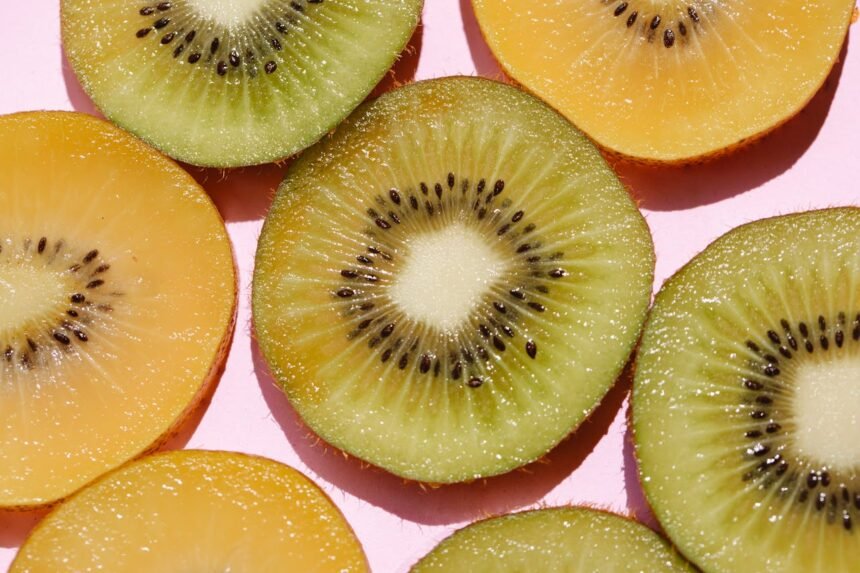
This means that eating just one large kiwi can provide over 100% of your recommended daily intake. The sun-gold variety of kiwi is even more potent, sometimes containing double the Vitamin C of the green variety. If efficiency is your goal, the kiwi is the clear winner.
Fibre and Digestion
Beyond vitamins, digestive health is a major concern for many. Oranges are a good source of fibre, but kiwis offer unique benefits. The kiwi contains an enzyme called actinidin, which helps break down proteins and facilitates gastric digestion. This can be particularly helpful after a protein-heavy meal, reducing the sensation of bloating.
Moreover, the fibre found in kiwis has a high water-holding capacity, which aids in bowel regularity. Including kiwis in your diet aligns well with advice from the British Heart Foundation regarding increasing fruit and vegetable intake to support heart health and maintain a healthy weight.
Bioavailability and Absorption
It is not just about how much Vitamin C is in the food, but how well your body absorbs it. Studies suggest that the Vitamin C in kiwis has extremely high bioavailability. Research published in academic journals indicates that the Vitamin C from kiwis is absorbed into the bloodstream just as effectively as synthetic supplements.
According to studies on plasma vitamin C saturation, eating two kiwis a day can increase blood Vitamin C levels to optimal saturation in healthy individuals. This efficiency makes the kiwi a highly reliable tool for correcting deficiency quickly.
Antioxidant Synergy
Kiwis are rich in other antioxidants, including Vitamin E, polyphenols, and carotenoids like lutein and zeaxanthin. Vitamin E is usually found in high-fat foods like nuts, so finding a fat-free source like kiwi is rare and beneficial. These antioxidants work in tandem with Vitamin C to reduce oxidative stress.
Cancer Research UK highlights that while no single food prevents cancer, a diet rich in plant-based antioxidants is prudent for long-term health. The synergistic effect of the various compounds in kiwi fruit provides a broader spectrum of protection than Vitamin C alone.
Comparison Data: Kiwi vs. Orange
The following table illustrates the nutritional differences per 100g of raw fruit. Note how the kiwi outperforms the orange in several key metrics.
| Nutrient | Green Kiwi (100g) | Orange (100g) | Difference |
|---|---|---|---|
| Vitamin C | ~93 mg | ~53 mg | Kiwi +75% |
| Calories | 61 kcal | 47 kcal | Kiwi slightly higher |
| Dietary Fibre | 3.0 g | 2.4 g | Kiwi +25% |
| Potassium | 312 mg | 181 mg | Kiwi +72% |
| Sugar | 9 g | 9 g | Equal |
*Data sourced from standard nutritional databases and aligned with Government dietary recommendations.*
Tips for Management and Consumption
Integrating kiwis into your diet is straightforward, but there are ways to maximise the benefits. Here are practical tips for storage and preparation.
- Eat the Skin: It might sound strange, but the skin of the kiwi is edible and highly nutritious. It contains a significant concentration of fibre and antioxidants. If the fuzz bothers you, scrubbing the fruit or choosing the Gold variety (which has smoother skin) can help.
- Pair with Iron: Vitamin C significantly enhances the absorption of non-haeme iron (iron from plant sources). Try slicing kiwi over your morning spinach salad or fortified cereal. This is particularly useful for vegetarians or those prone to anaemia.
- Watch the Heat: Vitamin C is heat-sensitive. Cooking kiwi will destroy much of its vitamin content. Always eat it raw for maximum potency.
- Storage: Keep unripe kiwis at room temperature. Once ripe, store them in the fridge to slow down decomposition. They are sensitive to ethylene gas, so keep them away from apples and bananas unless you want them to ripen quickly.
- Smoothies: If the texture of the seeds is an issue, blending kiwi into a green smoothie is an excellent way to mask the texture while retaining the fibre and nutrients. It pairs well with spinach, apple, and cucumber.
Frequently Asked Questions
Is it safe to eat kiwi fruit every day?
Yes, for most people, eating one to three kiwis a day is perfectly safe and beneficial. It ensures you meet your Vitamin C requirements easily. However, those taking beta-blockers should consume them in moderation due to the high potassium content.
Can kiwi fruit cause allergic reactions?
Yes, kiwi allergy is increasingly common. Symptoms can range from ‘oral allergy syndrome’ (itching mouth) to severe anaphylaxis. If you have a latex allergy, you may also react to kiwi due to cross-reactivity. Consult a GP if you experience discomfort.
Which is better: Gold or Green kiwi?
Gold kiwis generally have a higher Vitamin C content and a sweeter, tropical taste. Green kiwis have more fibre and the enzyme actinidin, which aids digestion. Both are excellent choices depending on your specific health goals.
How does the sugar content compare to other fruits?
Kiwis are relatively low on the glycaemic index (GI), meaning they do not cause a rapid spike in blood sugar. This makes them a suitable fruit choice for those monitoring blood glucose, as noted by Diabetes UK.
The Bottom Line
While oranges remain a healthy and delicious staple, the kiwi fruit is the undisputed champion when it comes to Vitamin C density. With nearly double the Vitamin C content per gram, superior digestive enzymes, and a wealth of antioxidants, adding kiwi to your daily routine is an efficient way to boost your health.
You do not have to abandon oranges; variety is the spice of a healthy diet. However, if you are looking to maximise your nutrient intake during cold and flu season, reaching for a kiwi—skin and all—might be your best line of defence. For more information on maintaining a balanced diet, you can refer to the Office of Dietary Supplements or similar authoritative bodies. Ultimately, ensuring you get enough Vitamin C is easier than you think when you look beyond the orange peel and embrace the benefits found in other citrus and tropical fruits.