
Kiwi fruit, often simply called kiwi, is a small fruit that packs an extraordinarily large punch when it comes to nutrition.
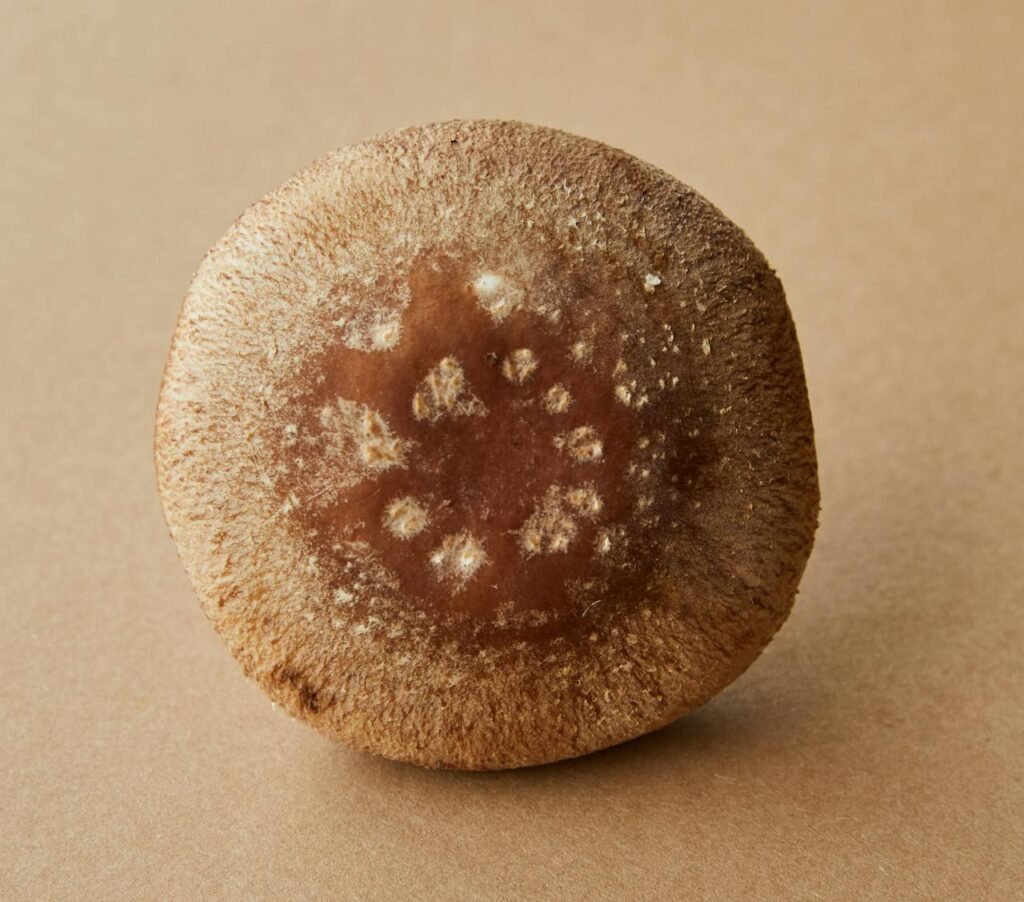
Beneath its fuzzy, brown exterior lies vibrant green or golden flesh, speckled with tiny edible black seeds. While it is famous for its unique, tangy-sweet flavour, the kiwi is increasingly recognised in the scientific community as a nutritional powerhouse.
Originally known as the Chinese gooseberry, this fruit is native to China but was popularised globally by New Zealand. Today, it is a staple in healthy diets across the UK and the rest of the world.
Many people are unaware that a single kiwi can provide more than your entire daily requirement of vitamin C. It is also loaded with dietary fibre and unique enzymes that aid digestion.
Whether you slice it into a fruit salad, blend it into a smoothie, or eat it like an apple (skin and all), understanding the nutritional profile of this fruit can help you optimise your diet.
This article provides an exhaustive look at kiwi fruit nutrition, its health benefits, and how it compares to other common fruits.
Overview: What Makes Kiwi a Superfood?
Kiwi fruit belongs to the genus Actinidia. While there are several varieties, the most common types found in UK supermarkets are the fuzzy Green Kiwi (Actinidia deliciosa) and the smooth-skinned SunGold Kiwi (Actinidia chinensis).
Nutritionally, kiwi is dense. This means it is high in nutrients but relatively low in calories.
It is distinct from other fruits due to the presence of actinidin, a natural proteolytic enzyme unique to kiwifruit that helps break down proteins and facilitates gastric digestion.
Furthermore, the combination of soluble and insoluble fibre in kiwis makes them exceptional for gut health. Unlike many other fruits, the sugars in kiwi are released slowly into the bloodstream, resulting in a lower glycaemic index (GI).
According to Healthline, regularly consuming kiwi can support immune function, reduce oxidative stress, and even improve sleep quality.
Detailed Nutritional Breakdown
To truly appreciate the value of this fruit, we must look closely at its specific vitamins, minerals, and bioactive compounds. Here is a detailed analysis of what you are putting into your body when you eat a kiwi.
Vitamin C and Immune Support
Vitamin C (ascorbic acid) is essential for the growth, development, and repair of all body tissues. It is involved in many body functions, including formation of collagen, absorption of iron, and the proper functioning of the immune system.
Kiwis are one of the best food sources of vitamin C available. In fact, gram for gram, green kiwi fruit contains more vitamin C than oranges.
The NHS states that adults aged 19 to 64 need 40mg of vitamin C a day. A single medium-sized kiwi can provide over 60mg, comfortably exceeding your daily requirement in just a few bites.
Maintaining adequate vitamin C levels is crucial for reducing the duration of common colds and protecting the body against oxidative stress caused by free radicals.
Dietary Fibre and Digestive Health
Fibre is vital for maintaining a healthy bowel. The British Nutrition Foundation recommends a daily intake of 30g of fibre for adults, yet most people in the UK consume much less.
Kiwi fruit contains both soluble and insoluble fibre:
- Insoluble fibre: Adds bulk to stools and helps food pass more quickly through the stomach and intestines.
- Soluble fibre: Attracts water and turns to gel during digestion, which helps support healthy gut bacteria.
Research indicates that the unique water-holding capacity of kiwi fibre can aid significantly in preventing constipation and maintaining regularity without the gas or bloating associated with some other high-fibre foods.
Potassium and Heart Health
Potassium is a mineral that helps the body maintain normal fluid levels inside our cells. It also helps muscles contract and supports normal blood pressure.
High sodium intake is a common issue in modern diets, which can raise blood pressure. Potassium counteracts the effects of sodium.
The British Heart Foundation highlights that eating foods high in potassium can help manage blood pressure levels. A serving of kiwi contributes a significant amount of potassium, comparable to a banana, making it a heart-healthy snack choice.
Actinidin: The Digestion Helper
One of the most fascinating components of green kiwi fruit is actinidin. This is a proteolytic enzyme, meaning it breaks down proteins.
When you eat a heavy meal involving meat, dairy, or legumes, your body works hard to digest the proteins. Consuming a kiwi with your meal can assist this process.
Studies published in the National Library of Medicine have shown that actinidin enhances the digestion of proteins in the stomach and small intestine, potentially relieving that heavy, bloated feeling after a large meal.
Vitamin K and Bone Health
While calcium is often the focus for bones, Vitamin K is equally important. It plays a key role in helping blood clot, preventing excessive bleeding.
Additionally, Vitamin K works with Vitamin D to ensure calcium finds its way to the bones to help them develop properly.
According to Medical News Today, one kiwi provides nearly 30% of the daily recommended intake of Vitamin K, supporting long-term skeletal health.
Nutritional Data Profile
The following table summarises the nutrient content for a 100-gram serving of raw green kiwi fruit (approximately 1.5 medium fruits).
| Nutrient | Amount per 100g | % Daily Value (approx) |
|---|---|---|
| Calories | 61 kcal | 3% |
| Carbohydrates | 15g | 5% |
| Fibre | 3g | 10-12% |
| Sugars | 9g | – |
| Protein | 1.1g | 2% |
| Vitamin C | 93mg | 110-150% |
| Vitamin K | 40.3mcg | 34% |
| Potassium | 312mg | 9% |
| Vitamin E | 1.5mg | 7% |
| Copper | 0.13mg | 14% |
| Folate | 25mcg | 6% |
Note: Percentages are based on general UK reference intakes and may vary by individual needs.
Tips for Consumption and Management
Incorporating kiwi into your diet is straightforward, but there are ways to maximise the benefits.
Should You Eat the Skin?
Yes, you absolutely can eat the skin. The fuzzy texture of the green kiwi skin can be off-putting to some, but it is entirely edible and highly nutritious.
By eating the skin, you increase the fibre content by approximately 50% and boost your intake of folate and Vitamin E.
If the fuzz bothers you, you can simply brush the fruit with a clean towel or vegetable brush before eating, or opt for the SunGold variety, which has smooth, hairless skin.
Selection and Storage
To check if a kiwi is ripe, press it gently with your thumb. It should yield to slight pressure. If it is rock hard, it is unripe; if it is squishy, it is overripe.
- Ripening: Store unripe kiwis at room temperature away from direct sunlight. To speed up the process, place them in a paper bag with an apple or banana.
- Storage: Once ripe, keep them in the fridge to preserve them for up to a week.
For more ideas on how to prepare fruit safely, you can refer to BBC Good Food.
Potential Risks and Allergies
While kiwis are safe for most people, there are exceptions.
Kiwi Allergy: Some individuals may experience an allergic reaction to kiwi. This is often associated with “latex-fruit syndrome.”
According to Allergy UK, proteins in kiwi are similar to those found in latex, causing cross-reactivity. Symptoms can range from a mild itching of the mouth (oral allergy syndrome) to more severe reactions.
Kidney Stones: Kiwis contain oxalates, natural compounds that can contribute to kidney stone formation in susceptible individuals. If you have a history of calcium oxalate kidney stones, consult your GP before consuming large amounts.
Frequently Asked Questions
1. Can kiwi fruit help you sleep?
Surprisingly, yes. Kiwis contain serotonin, a precursor to melatonin, the hormone that regulates sleep cycles.
A study referenced by the National Institutes of Health (NIH) found that consuming two kiwis one hour before bedtime significantly improved both sleep onset and sleep duration in participants with sleep disorders.
2. Is kiwi fruit high in sugar?
Kiwi contains natural fruit sugars (fructose), but it has a low glycaemic index (GI) of around 50. This means it does not cause a rapid spike in blood sugar levels compared to high-GI fruits like watermelon.
This makes it a suitable fruit option for people managing diabetes, provided portions are monitored. For more on fruit sugars, check guidance from Diabetes UK.
3. Which is better: Green or Gold kiwi?
Both are excellent, but they have slight nutritional differences. Green kiwis are higher in fibre and contain the enzyme actinidin, making them better for digestion.
Gold (SunGold) kiwis typically contain higher levels of Vitamin C—sometimes double that of green kiwis—and have a sweeter, tropical taste. Your choice depends on whether you prioritise digestive health (Green) or an immunity boost (Gold).
4. How many kiwis should I eat a day?
Eating one to three kiwis a day is generally sufficient for most people to get the nutrient boost without consuming excessive sugar.
Two kiwis count as two portions towards your daily fruit and veg targets. You can learn more about portion sizes on the GOV.UK Live Well page.
The Bottom Line
Kiwi fruit is arguably one of the most nutrient-dense foods available in the produce aisle.
Its exceptional levels of Vitamin C support a robust immune system, while its unique combination of fibre and actinidin promotes superior digestive health. Additionally, the potassium content supports heart health, and serotonin may even help you sleep better.
While the skin may look unappealing to some, washing and eating the whole fruit significantly amplifies the nutritional return.
For most people, adding one or two kiwis to your daily routine is an easy, delicious way to improve overall health. As with any dietary change, if you have specific health conditions or allergies, moderation and professional advice are key.
Always consult a healthcare professional before making significant changes to your diet.