Lectin Free Foods: A Complete Guide to Navigating the Plant Paradox for Better Gut Health
If you have spent any time in the wellness sphere lately, you have likely heard the buzz surrounding lectin free foods. Popularised by the “Plant Paradox” movement, the idea that certain proteins in plants might be sabotaging our health has sparked a massive shift in how we view “healthy” eating. While many plants are nutritional powerhouses, some contain anti-nutrients that may interfere with digestion for sensitive individuals.
But what exactly are these proteins, and do you really need to avoid them? Whether you are managing an inflammatory condition or simply want to optimise your digestive health, understanding which lectin free foods to fill your plate with can make a world of difference. In this guide, we will break down the science, the shopping list, and the best ways to prepare your meals for maximum vitality.
What Are Lectins and Why Are They Contentious?
Lectins are a diverse family of carbohydrate-binding proteins found in virtually all organisms. In plants, they act as a natural defence mechanism against pests and insects. When we consume them in large quantities, particularly from raw or undercooked sources, they can bind to the lining of the digestive tract.
For some people, this interaction is linked to intestinal permeability, often referred to as leaky gut. This condition occurs when the tight junctions of the intestinal wall loosen, potentially allowing particles to enter the bloodstream and trigger an immune response. This is why many individuals following an autoimmune protocol choose to limit their intake of high-lectin items.
However, it is important to note that not all lectins are harmful. Many are essential phytochemicals that contribute to cellular function. The most well-known “problematic” lectins include agglutinin (found in wheat germ) and those found in raw kidney beans, which can cause acute digestive distress if not neutralised by heat.
The Ultimate List of Lectin Free Foods
Transitioning to a diet focused on lectin free foods does not mean you have to sacrifice flavour or variety. In fact, many of the most nutrient-dense foods on the planet are naturally low in these proteins. Here is what you should reach for during your next grocery shop:
Proteins and Meats
Most animal products are naturally lectin-free, provided the animals were raised on their natural diets. Look for:
- Grass-fed beef and lamb (higher in Omega-3 fatty acids).
- Pasture-raised poultry (chicken, turkey, duck).
- Wild-caught fish and seafood (salmon, sardines, scallops).
- Pasture-raised eggs.
Vegetables and Leafy Greens
While many vegetables contain lectins in their seeds and skins, these varieties are generally considered safe and highly beneficial:
- Cruciferous vegetables such as broccoli, cauliflower, and Brussels sprouts.
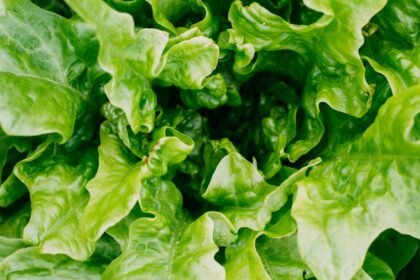
- Leafy greens like kale, spinach, and Swiss chard.
- Asparagus, celery, and onions.
- Cooked mushrooms (rich in beta-glucans).
- Sweet potatoes and yams, which provide healthy resistant starch.
Healthy Fats and Fruits
Fats are the cornerstone of a satiating lectin-free lifestyle. Focus on:
- Avocados (technically a fruit and packed with monounsaturated fats).
- Extra virgin olive oil and avocado oil.
- Olives.
- Berries (blueberries, raspberries, and strawberries) in moderation.
High-Lectin Foods to Minimise or Avoid
If you are strictly following a lectin-limited diet, you may want to reduce your intake of the following groups. Many of these contain prolamin, another type of storage protein that can be difficult for some to break down.
- Legumes: Lentils, chickpeas, soy, and particularly red kidney beans.
- Grains: Whole wheat, corn, rye, and barley.
- Nightshade vegetables: Tomatoes, potatoes, aubergines, and peppers (unless peeled and deseeded).
- Out-of-season fruit: High sugar content can exacerbate gut issues.
According to the NHS, pulses are a vital source of fibre, but they must be prepared correctly to ensure safety and digestibility.
Comparing Lectin Content and Dietary Impact
Understanding the balance between different food groups is key to a sustainable diet. The table below compares common staples and their status in a lectin-conscious lifestyle.
| Food Category | High Lectin (Limit) | Lectin Free / Low Lectin (Favour) | Health Impact |
|---|---|---|---|
| Grains & Starches | Brown Rice, Corn, Wheat | Sweet Potato, Sorghum, Millet | Sorghum and millet are ancient grains without a hull, making them easier on the gut. |
| Vegetables | Tomatoes, Aubergine | Broccoli, Spinach, Asparagus | Nightshades can trigger joint pain in sensitive individuals. |
| Fats | Sunflower Oil, Soy Oil | Olive Oil, Avocado, Walnut Oil | Polyphenol-rich oils support heart health and reduce inflammation. |
| Proteins | Grain-fed Beef, Tofu | Grass-fed Beef, Wild Salmon | Grass-fed options have a superior nutrient profile and fewer toxins. |
How to Make High-Lectin Foods Safer
You don’t necessarily have to banish every bean from your cupboard forever. There are traditional methods to drastically reduce the lectin content of your favourite foods:
1. Pressure Cooking: This is the most effective method for neutralising lectins in legumes and nightshades. Research suggests that high-heat pressure cooking breaks down the protein structures that cause irritation. You can learn more about the benefits of pressure cooking from recent culinary studies.
2. Peeling and Deseeding: Most of the lectins in nightshade vegetables are concentrated in the skin and the seeds. By simply removing these parts, you can enjoy tomatoes or cucumbers with much less risk of digestive upset.
3. Fermentation: This ancient preservation technique allows bacteria to “pre-digest” the lectins and other anti-nutrients in foods like soy (miso or tempeh) and sourdough bread.
The Role of Science and Professional Guidance
While the anecdotal evidence for a lectin-free diet is strong, clinical research is still evolving. The Mayo Clinic notes that for most people, lectins are not a cause for concern when foods are cooked properly. However, for those with conditions like Crohn’s disease or Rheumatoid Arthritis, the dietary shift can be life-changing.
Before making radical changes, it is always wise to consult with a registered dietitian or your GP. Authoritative bodies like the Food Standards Agency provide guidelines on food safety and preparation that can help you navigate these choices safely.
Frequently Asked Questions (FAQs)
Are bananas lectin-free?
Green, unripe bananas are considered lectin free foods and are a great source of resistant starch, which feeds your beneficial gut bacteria. However, as they ripen, their sugar content increases, and they may become more problematic for some people.
Can I eat nuts on a lectin-free diet?
Most nuts contain lectins, but there are exceptions. Walnuts, pecans, and macadamia nuts are generally well-tolerated. Almonds are safe only if they have been blanched (the skin removed), as the skin is where the lectins reside.
Does boiling remove all lectins?
Boiling is effective for some foods, like beans, but it requires a long time. For example, kidney beans must be boiled for at least 10 minutes to neutralise toxins. For many people, pressure cooking is a much more reliable and faster way to ensure food is safe. You can find detailed safety protocols on PubMed.
Is white rice better than brown rice?
Surprisingly, in the context of a lectin-free diet, yes. The lectins in rice are located in the outer hull (the bran). White rice has had this hull removed, making it a “safer” starch for those with sensitive digestive systems, though it does have a higher glycaemic index.
Should I take digestive enzymes?
Some people find that digestive enzymes specifically designed to break down plant proteins can help when eating out or consuming high-lectin meals. However, these should complement, not replace, a mindful approach to your diet.
For more information on managing dietary sensitivities, explore resources from the Harvard T.H. Chan School of Public Health or the Arthritis Foundation. Understanding your body’s unique reaction to lectin free foods is a journey towards better health and long-term vitality.
Additional authoritative resources for further reading: