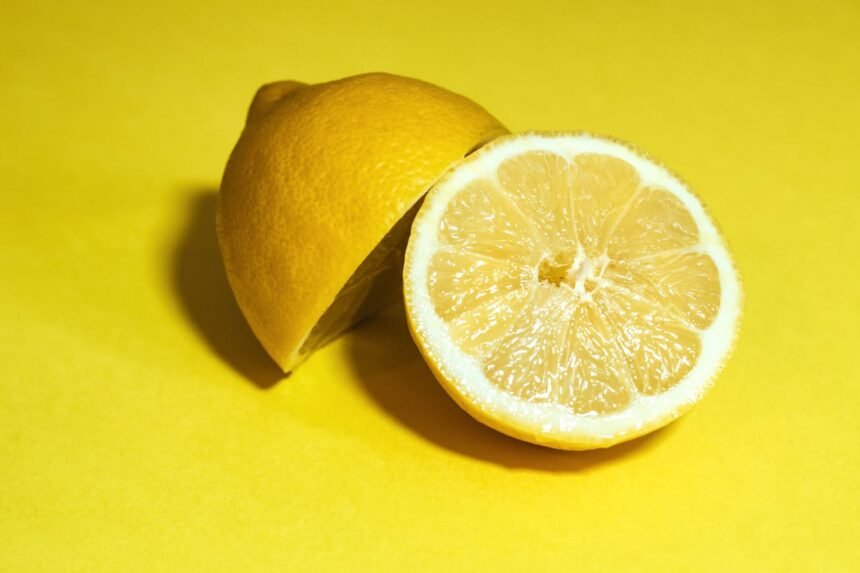
Finding the perfect natural remedy for hair care can often feel like an endless experiment. We frequently scour our kitchen cupboards in search of that one miracle ingredient which might restore shine, reduce dandruff, or simply improve the overall vitality of our locks.
Among the most popular home remedies championed by generations of beauty enthusiasts is the humble lemon. Often praised for its high vitamin C content and natural acidity, lemon juice is touted as a cure-all for various scalp conditions and a natural way to lighten hair colour. But is applying citrus directly to your head actually safe, or could it cause more harm than good?
Before you squeeze a fresh lemon over your scalp, it is crucial to understand the science behind how citric acid interacts with hair follicles and skin. While there are distinct benefits, improper use can lead to dryness or damage. This article explores the evidence-based benefits of using lemon juice for hair, the potential risks you must realise, and the best methods for application.
The Science Behind Lemon Juice and Hair Health
To understand why lemon juice is such a popular treatment, we must look at its chemical composition. Lemons are a rich source of nutrients that are essential for skin and hair health.
Key components include:
- Citric Acid: A natural alpha-hydroxy acid (AHA) that can help exfoliate the scalp.
- Vitamin C: A powerful antioxidant that combats oxidative stress.
- Flavonoids: Compounds that possess anti-inflammatory properties.
- Pectin: A fibre that can help strengthen the hair shaft.
Balancing Scalp pH Levels
The natural pH of the human scalp and hair is mildly acidic, typically sitting between 4.5 and 5.5. However, many commercial shampoos and styling products are alkaline. This alkalinity can cause the hair cuticle to rise, leading to frizz, dullness, and susceptibility to breakage.
Because lemon juice is highly acidic (with a pH of around 2), it can act as a clarifier. When diluted correctly, it helps to normalise the pH levels of the scalp, flattening the hair cuticle and reflecting more light. This is the primary mechanism behind the “shine” that many users report.
Combatting Dandruff and Seborrheic Dermatitis
One of the most compelling reasons to use lemon juice is its potential impact on scalp conditions. Dandruff and seborrheic dermatitis are often caused by an overgrowth of a yeast-like fungus called Malassezia. The antifungal properties of citric acid can help create an environment where this fungus struggles to thrive.
Furthermore, the exfoliating nature of AHAs helps to descale the scalp, removing the build-up of dead skin cells and excess sebum (oil) that contributes to flaking. According to the British Skin Foundation, managing the scalp environment is key to controlling these chronic conditions.
Natural Hair Lightening
Perhaps the most famous use of lemon juice is as a natural highlighting agent. The citric acid acts as a weak bleaching agent. When activated by UV rays from the sun, it oxidises the melanin (pigment) in the hair, effectively stripping away the colour. This process can create natural-looking, sun-kissed highlights without the harsh chemicals found in salon bleach.
However, this process is permanent. Once the pigment is removed, it does not return until the hair grows out. Understanding the structure of the hair shaft helps explain why this permanent change occurs and why caution is needed to avoid structural damage.
Actionable Steps: How to Use Lemon Juice for Hair
If you are ready to incorporate lemon juice into your routine, safety and dilution are your priorities. Applying undiluted lemon juice is too harsh for most hair types and can lead to severe dryness.
1. The Clarifying Scalp Rinse (For Oily Hair & Dandruff)
This method is excellent for breaking down product build-up and refreshing an oily scalp.
Ingredients:
- 1 tablespoon of fresh lemon juice
- 500ml of cool water
Instructions:
- Shampoo your hair as normal and rinse thoroughly.
- Mix the lemon juice into the water in a jug.
- Pour the mixture over your scalp, massaging it into the roots for 1–2 minutes.
- Rinse thoroughly with lukewarm water.
- Follow with a hydrating conditioner to restore moisture.
For more severe scalp issues, some people combine lemon with other anti-fungal agents, but consistency is key. You can read more about natural dandruff remedies on Healthline to see how lemon compares to options like tea tree oil.
2. The Honey and Lemon Hydration Mask
To counteract the drying effects of lemon, combine it with a humectant like honey. This is ideal for those who want shine without sacrificing moisture.
Ingredients:
- 1 tablespoon lemon juice
- 2 tablespoons honey
- 2 tablespoons olive oil or coconut oil
Instructions:
- Mix all ingredients in a small bowl until smooth.
- Apply to damp hair, focusing on the mid-lengths and ends.
- Leave the mask on for 20 minutes.
- Wash out with a gentle shampoo.
Research published in the Journal of Cosmetic Science suggests that certain oils can penetrate the hair shaft, mitigating the protein loss that might occur from acidic treatments.
3. Natural Highlights Technique
If you are aiming for lighter tones, you need sunlight. However, this carries risks of skin burns if not managed carefully.
Instructions:
- Dilute lemon juice with water in a 1:2 ratio (one part lemon, two parts water) in a spray bottle.
- Spray onto the specific strands you wish to lighten.
- Sit in the sun for 30–60 minutes.
- Crucial: Do not let the lemon juice touch your skin or scalp during sun exposure.
- Wash immediately and apply a deep conditioning treatment.
Be aware of phytophotodermatitis, a skin reaction that occurs when citrus juice on the skin is exposed to UV light. This can cause blistering burns and hyperpigmentation.

Comparison: Lemon Juice vs. Commercial Alternatives
When deciding between a DIY lemon rinse and a store-bought product, it helps to compare the factors directly. The table below outlines the key differences.
| Feature | Fresh Lemon Juice | Clarifying Shampoo | Apple Cider Vinegar (ACV) |
|---|---|---|---|
| pH Level | ~2.0 (Very Acidic) | ~6.0–7.0 (often Alkaline) | ~3.0 (Moderately Acidic) |
| Cost | Very Low | Moderate to High | Low |
| Primary Benefit | Shine, Oil Control, Lightening | Deep Cleaning, Product Removal | pH Balancing, Detangling |
| Risk Factor | High (if undiluted/sun exposure) | Low (can strip colour) | Low (smell can linger) |
| Scalp Effect | Exfoliating, Anti-fungal | Cleansing | Soothing, Anti-microbial |
| Preparation | Requires Dilution | Ready to Use | Requires Dilution |
While commercial products are formulated for stability, natural options allow you to control the concentration. However, consistency varies with natural ingredients. For a broader look at chemical safety in cosmetics, you can consult resources from GOV.UK regarding regulated ingredients.
Frequently Asked Questions
Can lemon juice turn grey hair back to its original colour?
No, there is no scientific evidence to suggest lemon juice can reverse greying. Greying is caused by the cessation of melanin production in the hair follicle. While Vitamin C is an antioxidant that supports general health, it cannot repigment dead hair cells.
Is it safe to leave lemon juice on overnight?
We generally advise against leaving lemon juice on your hair overnight. The high acidity can degrade the protein structure of the hair (keratin) if left for prolonged periods, leading to brittleness. A maximum of 20–30 minutes is usually sufficient.
Will lemon juice damage dyed hair?
Yes, it can. Because lemon juice is an acid and a natural bleaching agent, it can strip artificial hair dye or alter the tone, often resulting in an unwanted brassy or orange colour. If you have chemically treated hair, consult a professional before using acidic home remedies. The American Academy of Dermatology warns against using harsh treatments on already processed hair.
How often should I use a lemon rinse?
Moderation is essential. Using a lemon rinse once a week or once every two weeks is typically safe for oily hair. Those with dry or curly hair should use it less frequently, perhaps once a month, to avoid stripping away necessary natural oils.
Does it work for hair growth?
Indirectly, yes. By unclogging follicles and reducing dandruff, lemon juice creates a healthier environment for hair growth. It provides a dose of Vitamin C, which is vital for collagen production. However, it is not a miracle cure for pattern baldness or genetic hair loss. For verified treatments, refer to established medical guidelines or the National Eczema Society for scalp-specific advice.
The Bottom Line
Lemon juice is a versatile, cost-effective natural remedy that can enhance shine, reduce oiliness, and help manage dandruff when used correctly. Its acidic nature helps balance the scalp’s pH, while its antioxidant properties support overall follicle health.
However, natural does not always mean harmless. The high acidity demands that you always dilute the juice with water or a conditioning agent. You must be particularly careful regarding sun exposure to avoid skin burns or unwanted, permanent hair lightening.
If you have a sensitive scalp, open sores, or extremely dry hair, you should proceed with caution or consult a dermatologist. For most people, however, an occasional lemon rinse can be a refreshing addition to a hair care routine, leaving locks looking luminous and feeling clean.
Always prioritise the health of your scalp, and if you experience irritation, discontinue use immediately. For further reading on the efficacy of natural ingredients, trusted sources like PubMed offer a wealth of dermatological studies to help you make informed decisions.