Tomatoes are a cornerstone of culinary delight. From a fresh summer salad to a rich pasta sauce, they add vibrancy, colour, and essential nutrients to our meals. However, for millions of people living with sensitive stomachs, the tomato is a double-edged sword.
While delicious, tomatoes are naturally acidic. For individuals prone to heartburn or gastro-oesophageal reflux disease (GORD), consuming them can trigger uncomfortable symptoms like burning sensations in the chest, bloating, or indigestion. This often leads to a restrictive diet where favourite meals are sadly avoided.
Here is the good news: not all tomatoes are created equal. Nature offers a diverse spectrum of heirloom and hybrid varieties, some of which possess significantly lower acidity levels than the standard red supermarket tomato. By choosing the right fruit and preparing it correctly, you may be able to enjoy this kitchen staple once again without the painful aftermath.
This article explores the best low-acid tomato varieties, explains the science behind acidity, and offers practical tips for managing a sensitive stomach while still enjoying your food.
Overview
To understand which tomatoes are safe, we must look at the pH scale. The pH scale measures how acidic or alkaline a substance is, ranging from 0 to 14. A lower number indicates higher acidity.
Standard red tomatoes typically have a pH between 4.3 and 4.9. For someone with a robust digestive system, this is perfectly manageable. However, for those with a compromised oesophageal sphincter or sensitive stomach lining, anything below pH 5.0 can be a trigger.
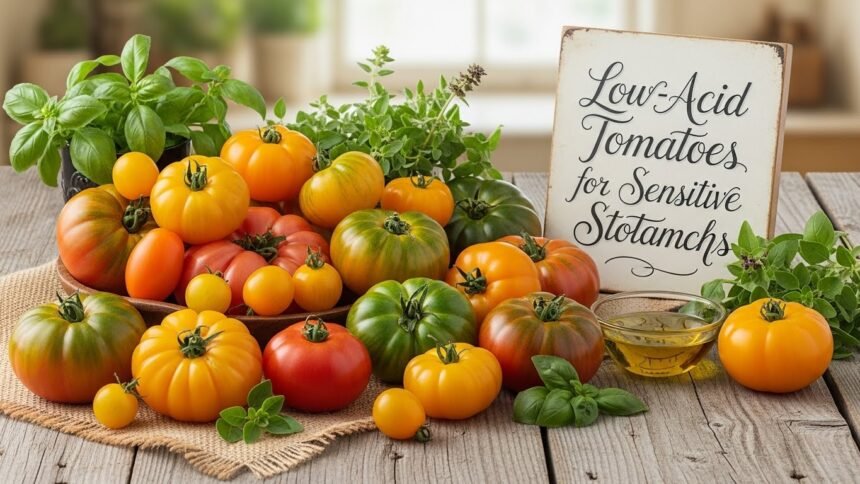
Low-acid tomatoes generally refer to varieties with a higher pH (often closer to or above 5.0) or those with higher sugar content that masks the acidic taste. Interestingly, the colour of the tomato is often a strong indicator of its acidity level. Non-red varieties—specifically yellow, orange, and white tomatoes—tend to be milder and easier on the digestive tract.
It is important to note that while some varieties are botanically lower in acid, others simply taste sweeter, which can reduce the perceived burn. Understanding this distinction is key to managing your diet effectively.
Low-Acid Tomato Varieties to Try
If you are looking to reintroduce tomatoes into your meals, consider seeking out these specific varieties. They are often found at farmers’ markets or can be grown easily in a home garden.
1. Sun Gold (Cherry Tomato)
This is widely considered the gold standard for sweet, low-acid tomatoes. Sun Golds are bright orange cherry tomatoes that ripen early in the season. They have a tropical, fruity flavour profile that is incredibly sweet. Because of their high sugar content, they mask acidity very well, making them a safer snack for those with mild reflux.
2. Yellow Pear
As the name suggests, these are small, pear-shaped tomatoes with a bright yellow skin. They are an heirloom variety known for a mild, almost floral flavour. They lack the sharp “bite” of traditional red tomatoes, making them excellent for salads where you want texture without an acid spike.
3. Big Rainbow
This spectacular heirloom beefsteak tomato features streaks of red, orange, and yellow. It is famous for its size (often weighing over 450g) and its mild, low-acid flesh. The Big Rainbow is perfect for slicing onto sandwiches, as it provides the classic tomato texture without the intense chemical acidity of standard red beefsteaks.
4. Ace 55
If you prefer a classic red tomato but need lower acidity, the Ace 55 is a breakthrough variety. It was specifically bred to be lower in acid than other red types. It has a thick wall and is less juicy than other varieties, which can also help reduce reflux triggers, as excess liquid can sometimes exacerbate symptoms.
5. White Wonder
White tomatoes are rare but worth finding. The White Wonder is a creamy, ivory-coloured fruit with a mild, sweet taste. It contains very low levels of acid compared to its red counterparts. It adds a unique visual element to dishes and is incredibly gentle on the stomach.
Symptoms and causes
Understanding why tomatoes affect you is crucial for management. The primary culprit is gastric acid. When you consume acidic foods, your stomach may produce more acid to aid digestion. In people with GORD or functional dyspepsia, this excess acid can back up into the oesophagus.
Common symptoms include:
- Heartburn: A burning pain in the chest, usually after eating.
- Regurgitation: A sour or bitter-tasting acid backing up into the throat.
- Dysphagia: Difficulty swallowing or a sensation of a lump in the throat.
- Bloating: Feeling uncomfortably full immediately after eating.
According to the NHS, triggers vary from person to person, but acidic fruits and vegetables are common offenders. The biological cause is often a weak Lower Oesophageal Sphincter (LES). This muscle acts as a valve between the oesophagus and stomach. When it relaxes inappropriately, acid escapes.
Tomatoes contain two specific acids: citric acid and malic acid. These can directly irritate the inflamed lining of the oesophagus, causing immediate discomfort even before digestion fully begins.
Diagnosis and treatment
If you suspect tomatoes are causing your digestive distress, self-diagnosis is a good starting point, but medical advice is essential for long-term health.
Diagnosis methods typically include:
- Elimination Diet: This involves removing all potential triggers (including tomatoes, caffeine, and spicy foods) for two weeks, then slowly reintroducing them one by one to monitor reactions.
- Endoscopy: A GP may refer you to a specialist to insert a camera down the throat to check for inflammation or damage to the oesophagus.
- pH Monitoring: This test measures how much acid is entering your oesophagus over a 24-hour period.
Treatment options:
For occasional symptoms, over-the-counter antacids may neutralise stomach acid. However, for chronic conditions like GORD, doctors may prescribe Proton Pump Inhibitors (PPIs), which reduce the amount of acid your stomach produces.
Dietary modification remains the first line of defence. Incorporating low-acid foods and consulting reputable resources like Healthline’s guide to acid reflux can help you build a sustainable meal plan.
Nutrient Profile and Acidity Table
The following table compares popular tomato types to help you make informed choices at the grocer or garden centre.
| Variety Name | Colour Group | Acid Profile | Best Culinary Use |
|---|---|---|---|
| Sun Gold | Orange | Very Low / Sweet | Snacking, Salads |
| Yellow Pear | Yellow | Low / Mild | Salads, Garnishes |
| Roma (Standard) | Red | High | Sauces (Avoid if sensitive) |
| Big Rainbow | Bi-Colour | Low / Fruity | Sandwiches, Slicing |
| Ace 55 | Red | Low / Balanced | Slicing, Canning |
| San Marzano | Red | Medium | Sauces (Cook long to reduce acid) |
Tips for management
Even with low-acid varieties, preparation matters. How you cook and serve tomatoes can drastically change their impact on your digestion. Here are evidence-based tips to manage sensitivity.
1. Cook Your Tomatoes
Raw tomatoes are generally harsher on the stomach than cooked ones. Cooking breaks down some of the fibre and alters the chemical structure, potentially making them easier to digest. Medical News Today suggests that cooking tomatoes can also increase the availability of lycopene, an antioxidant beneficial for heart health.
2. Remove Seeds and Skins
The skin and seeds of the tomato contain the highest concentration of acids and difficult-to-digest fibres. Blanching tomatoes to peel off the skins and scooping out the seeds can significantly improve tolerability.
3. The Baking Soda Trick
If you are making a sauce or soup, add a pinch (about 1/4 teaspoon) of baking soda (sodium bicarbonate) to the pot. Being alkaline, the baking soda neutralises some of the natural acidity without altering the flavour profile drastically. This is a classic trick used by chefs and referenced by culinary sources like BBC Good Food.
4. Pair with Alkaline Foods
Never eat tomatoes on an empty stomach if you are sensitive. Pair them with alkaline foods like bananas, melon, oatmeal, or leafy greens. According to Johns Hopkins Medicine, balancing acidic foods with alkaline sides can buffer stomach acid levels.
5. Use Fresh, Not Canned
Canned tomatoes often have added citric acid or calcium chloride to preserve texture and shelf life. These additives spike the acidity levels. Always opt for fresh low-acid varieties or preserve your own in glass jars without additives.
Frequently Asked Questions
Q: Can I eat tomato sauce if I have acid reflux?
A: Traditional store-bought sauce is often high in preservatives, sugar, and acid. However, making your own sauce using yellow tomatoes and adding a pinch of baking soda may be tolerable. Always consult Harvard Health or your dietician for personalised advice.
Q: Are organic tomatoes lower in acid?
A: Not necessarily. While organic farming avoids synthetic pesticides, the acidity is determined by the genetics of the plant variety, not the farming method. However, avoiding pesticides is generally beneficial for overall gut health.
Q: Do yellow tomatoes have less lycopene?
A: Yes, red tomatoes contain lycopene, while yellow/orange varieties contain a different form called tetra-cis-lycopene. Interestingly, a study found on PubMed suggests that the form of lycopene found in orange tomatoes might actually be absorbed more efficiently by the body.
Q: What is the best way to test if a tomato is safe for me?
A: Start small. Eat one slice of a yellow variety with a meal. Wait 24 hours to see if symptoms develop. Keeping a food diary is highly recommended by the Cleveland Clinic to track triggers accurately.
Q: Can stress make my reaction to tomatoes worse?
A: Absolutely. Stress impacts the gut-brain axis and can increase pain sensitivity and acid production. Managing stress is a vital part of treating GORD, as noted by WebMD.
The bottom line
Living with a sensitive stomach or acid reflux does not necessarily mean a life without tomatoes. While standard red supermarket varieties may trigger discomfort, shifting your focus to low-acid heirlooms like Sun Gold, Yellow Pear, and Big Rainbow can make a world of difference.
By understanding the pH levels of your food, employing smart cooking techniques like removing seeds or adding baking soda, and listening to your body’s signals, you can likely find a balance that works for you. Always prioritise fresh produce over processed alternatives and seek guidance from a medical professional for chronic symptoms.
Food is meant to be enjoyed. With a little experimentation and knowledge, you can reclaim the joy of a fresh tomato without the burn.