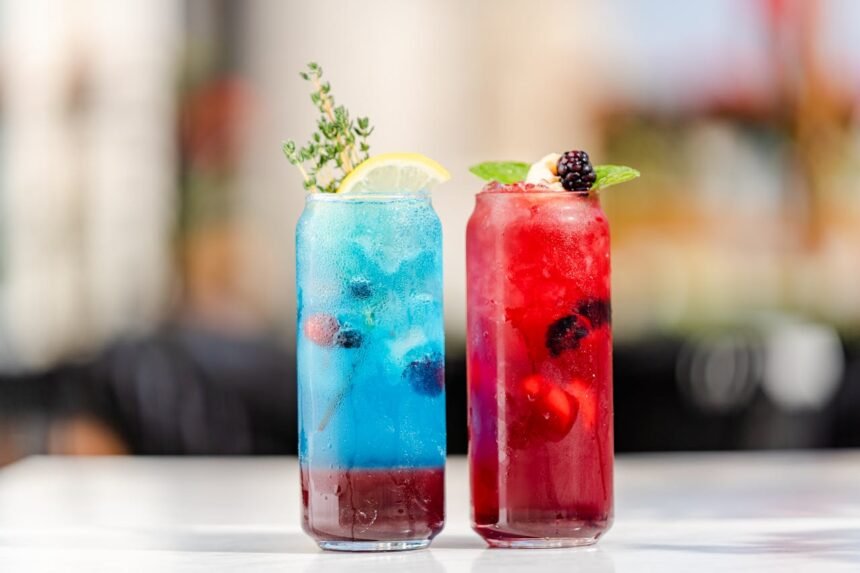
Dry January has become a staple of the British post-Christmas calendar. It offers a chance to reset your relationship with alcohol after the festive season. However, many people inadvertently replace alcohol with high-sugar alternatives. This can lead to energy crashes and unwanted weight gain.
Creating delicious Winter Mocktails does not require excessive amounts of refined sugar. You can use spices, herbs, and natural sweeteners to create warming, sophisticated drinks. These beverages support your liver health while keeping you hydrated.
This guide explores low-sugar recipes and strategies for a healthier January. We will look at ingredients that mimic the warmth of alcohol without the intoxication. You will also learn how to pair these drinks with hearty winter meals.
Why Do We Crave Sugar When Quitting Alcohol?
When you stop drinking, your body may crave sugar to replace the dopamine hit from alcohol. This is a common biological response. Alcohol affects blood sugar levels, and removing it can cause temporary imbalances. You might find yourself reaching for sweets or sugary sodas.
It is important to manage these cravings with complex carbohydrates and proteins. A healthy morning routine starting with fibre-rich foods like Winter Porridge helps stabilise blood sugar early on. This sets the tone for the rest of the day. If you start the day with stability, you are less likely to binge on sugar in the evening.
Replacing a glass of wine with a high-sugar soda is not an ideal swap. The NHS recommends limiting free sugars to protect dental health and prevent obesity. We must find a middle ground that feels indulgent but remains healthy.
The Problem with Traditional Winter Warmers
We often associate winter comforts with sugary treats. Think of the distinct aroma of Hot Toddies wafting through a pub. While comforting, these traditional drinks are often loaded with honey or sugar. They also contain alcohol, which we are avoiding this month.
Similarly, Mulled Cider is a festive favourite that packs a heavy sugar punch. The combination of fruit juice and added sweeteners can spike insulin levels rapidly. During Dry January, we want to mimic the spices of these drinks without the glycaemic load. We can achieve this using tea bases and whole spices.
Building the Perfect Low-Sugar Base
Using Tea and Infusions
Tea is an excellent base for any winter mocktail. Rooibos, hibiscus, and chamomile provide deep flavours without caffeine or sugar. They offer a tannin structure that mimics red wine. This makes the drink feel more ‘grown-up’ than a simple glass of squash.
Green tea can also provide a subtle bitterness that replaces the bite of alcohol. Studies show that green tea supports metabolic health. You can steep these teas with cinnamon sticks or star anise for hours. This extracts flavour without adding calories.
Harnessing Natural Spices
Winter spices are essential for creating warmth. Cloves, nutmeg, and cardamom trigger a sensory memory of warmth. They trick the brain into feeling satisfied. This is the same principle used in baking items like Cinnamon Buns, but here we skip the dough and icing.
Ginger is another powerful tool. It provides a physical ‘burn’ at the back of the throat. This sensation is often missing in alcohol-free drinks. Fresh ginger root is far superior to syrups for this purpose.
Savoury Mocktail Options
The Tomato Tonic
Not all mocktails need to be sweet. Savoury drinks can be incredibly satisfying before dinner. A Virgin Mary made with quality tomato juice and fresh lemon is a classic. It provides electrolytes and vitamins.
This type of drink pairs beautifully with hearty meals. Imagine sipping a spicy tomato tonic alongside a bowl of Root Stew. The acidity cuts through the richness of the root vegetables. It creates a balanced dining experience.
Herbal and Brine Notes
You can also experiment with brine from olives or pickles. This adds complexity and salinity. It sounds unusual, but it works well to stimulate the appetite. These drinks are low in calories and virtually sugar-free.
Serve these in nice glassware. The presentation matters as much as the flavour. It helps you feel like you are participating in a ritual. This is vital for sticking to your goals.
Fruit-Based Alternatives with Lower Glycaemic Index
Stewed Fruit Concepts
Instead of using concentrated fruit juices, use whole fruits. You can gently stew berries or apples with water and spices. This creates a flavour profile similar to a homemade Winter Compote but with less intensity.
Strain this liquid to top up sparkling water. You get the essence of the fruit without the heavy sugar load. It is refreshing and light. This method retains some vitamins that processed juices often lose.
The Baked Apple Essence
Think about the smell of Baked Apples coming out of the oven. You can recreate this in a drink using chamomile tea and apple slices. Add a vanilla pod for perceived sweetness. The aroma alone satisfies a lot of the craving.
This drink is perfect for an evening wind-down. It contains no caffeine and promotes relaxation. Sleep hygiene is often improved during Dry January. Non-caffeinated warm drinks support this benefit.
Pairing Mocktails with Winter Foods
Rich and Hearty Dinners
Winter food in the UK is often heavy and comforting. A crisp, acidic mocktail is needed to balance these meals. If you are serving a creamy Winter Risotto, you need something sharp. A mocktail with lemon juice, sparkling water, and rosemary works perfectly.
The carbonation cleanses the palate between bites. This prevents the meal from feeling too heavy. It mimics the role of sparkling wine or a crisp lager. Dining becomes a slower, more enjoyable process.
Vegetarian Comforts
Many people also partake in Veganuary alongside Dry January. Dishes like Winter Chowder are popular. This thick, vegetable-heavy soup needs a drink with body. A tea-based mocktail with ginger has enough weight to stand up to it.
Alternatively, if you are having a Winter Panzanella with roasted squash, try a cranberry-based spritzer. The tartness of the cranberry complements the sweetness of the squash. It ties the meal together nicely.
Indulgent Cheeses
Just because you aren’t drinking wine doesn’t mean you can’t enjoy cheese. A wheel of Baked Camembert is a winter luxury. Typically, this is paired with red wine. However, a mocktail made from pomegranate juice and balsamic vinegar works surprisingly well.
The tannins in the pomegranate and the acid in the vinegar cut through the fat. Dairy can be part of a balanced diet. Choosing the right alcohol-free pairing ensures you don’t miss the wine.
Socialising Without Alcohol
Navigating the Pub
Going to the pub is a huge part of British culture. It can be hard to sit there with a glass of tap water. Ordering a complex mocktail makes you feel included. It stops people from asking why you aren’t drinking.
You can ask the bartender to mix soda water with bitters and a slice of lime. It looks like a gin and tonic. It tastes complex and adult. This is often called a ‘lime and soda plus’.
Hosting at Home
When you have friends over, offer a large jug of mocktails. Warm spiced apple juice (diluted) is a crowd-pleaser. You can serve it alongside snacks like Roast Chestnuts. The act of peeling chestnuts and sipping a warm drink is very social.
Your guests might appreciate the break from alcohol too. Many people are trying to cut back. Providing a delicious alternative shows you are a thoughtful host. It makes the event focused on connection, not intoxication.
Specific Recipe: The Spiced Citrus Sparkler
Ingredients
You will need fresh grapefruit, rosemary, soda water, and ice. Grapefruit has a natural bitterness. This is great for sipping slowly. Citrus fruits are also high in Vitamin C.
Method
Muddle a sprig of rosemary in the bottom of a glass. Squeeze half a grapefruit over it. Fill the glass with ice. Top with soda water.
This drink is vibrant and sharp. It wakes up the palate. It pairs well with lighter winter dishes like Warm Salads featuring kale and roasted seeds. It is sophisticated enough for a dinner party.
Managing the Sweet Tooth
Dessert Pairings
Sometimes you want a drink that acts as dessert. A dense slice of traditional Winter Fruit Cake is very rich. You don’t need a sweet drink with it. A black tea infused with orange peel is ideal.
The tannins in the tea strip the sugar from your tongue. It refreshes you for the next bite. This prevents the combination from becoming cloying. It is a classic British combination for a reason.
Avoiding the Afternoon Slump
Around 4 PM, energy levels often drop. This is when the temptation for sugary snacks is highest. Instead of reaching for biscuits, try a warm mocktail. A steamed almond milk with turmeric and black pepper is soothing.
This ‘golden milk’ is warming and satisfying. It curbs hunger pangs effectively. It provides a moment of calm in a busy day. It is much better for your insulin levels than chocolate.
The Bottom Line
Dry January does not mean you have to suffer through boring drinks. By using spices, herbs, and tea, you can create sophisticated Winter Mocktails. These drinks respect your health goals and support your liver.
Focus on flavours that provide warmth and complexity. Avoid simple sugar swaps like fruit juice. Pair your drinks thoughtfully with foods like Root Stew or Baked Camembert. With these strategies, you will feel healthier and more energised by February.