Planning a trip to a tropical climate is an exciting adventure, but it often comes with a checklist of health precautions. Among the most critical concerns for any traveller is understanding the malaria incubation period. This is the window of time between being bitten by an infected mosquito and the first appearance of symptoms.
Because malaria doesn’t show up the moment you are bitten, it can be a “stealth” illness. Recognising the timeline is essential for seeking life-saving treatment, especially if you have recently returned from high-risk regions like Tanzania and Kenya. In this guide, we’ll break down exactly what happens during this period and why timing matters.
What Exactly Is the Malaria Incubation Period?
The malaria incubation period is the time required for the malaria parasite to develop within your body before it causes noticeable illness. When a female Anopheles mosquito bites a human, it injects parasites called sporozoites into the bloodstream. These parasites don’t immediately attack your red blood cells; instead, they head straight for the liver.
During this liver stage, the parasites multiply rapidly. You won’t feel any malaria symptoms during this phase, which is why it can be so deceptive. Only after the parasites leave the liver and enter the bloodstream do you begin to feel unwell. According to the World Health Organization, this process usually takes at least 7 to 10 days, though it can vary significantly depending on the parasite species.
How Long is the Wait? Timing by Parasite Type
Not all malaria is the same. There are several species of the Plasmodium parasite that infect humans, and each has its own unique bite to symptom time. Understanding which type you may have been exposed to is a vital part of malaria prevention and diagnosis.
The following table outlines the typical incubation periods for the most common malaria parasites:
| Parasite Species | Typical Incubation Period | Severity Level |
|---|---|---|
| Plasmodium falciparum | 7–14 days | High (Most dangerous) |
| Plasmodium vivax | 12–18 days (or months) | Moderate (Can relapse) |
| Plasmodium ovale | 12–18 days (or months) | Moderate (Can relapse) |
| Plasmodium malariae | 18–40 days | Low to Moderate |
It is important to note that Plasmodium falciparum is the most common cause of severe malaria and requires immediate medical intervention. Researchers at Nature have noted that delayed treatment of this specific strain significantly increases the risk of complications.
Factors That Can Delay the Incubation Period
While the averages above are standard, several factors can extend the malaria incubation period, making it harder to track. These include:
- Antimalarial medication: If you are taking prophylaxis but miss doses or take an insufficient amount, the medication may suppress the parasites enough to delay symptoms without actually preventing the infection.
- Immunity: People who have lived in malaria-endemic areas for long periods may develop a partial immunity, which can lengthen the time it takes for symptoms to manifest.
- Dormant stages: Certain species, like P. vivax, can remain dormant in the liver for months or even years before becoming active. Experts at the London School of Hygiene & Tropical Medicine continue to study these “hypnozoites” to find better ways to clear them from the body.
Identifying Early Symptoms After Exposure
Once the malaria incubation period ends, symptoms usually appear in a flu-like fashion. Because these symptoms are non-specific, many people mistake them for a common cold or a stomach bug. However, if you have recently travelled, you must tell your GP immediately.
Common signs to watch for include:
- High fever and shaking chills (rigors).
- Profuse sweating as the body temperature drops.
- Intense headache and muscle aches.
- Fatigue, nausea, and vomiting.
- In some cases, jaundice (yellowing of the skin/eyes).
The NHS stresses that symptoms can appear up to a year after you return from a high-risk area. If you feel unwell, a rapid diagnostic test or a blood smear should be conducted immediately at a medical centre.
Prevention: Your Best Defence
Understanding the malaria incubation period is helpful, but preventing the bite in the first place is paramount. Organizations like Malaria No More UK emphasise a multi-layered approach to safety.
Effective malaria prevention strategies include:
- Antimalarial medication: Always complete the full course of your prescribed prophylaxis.
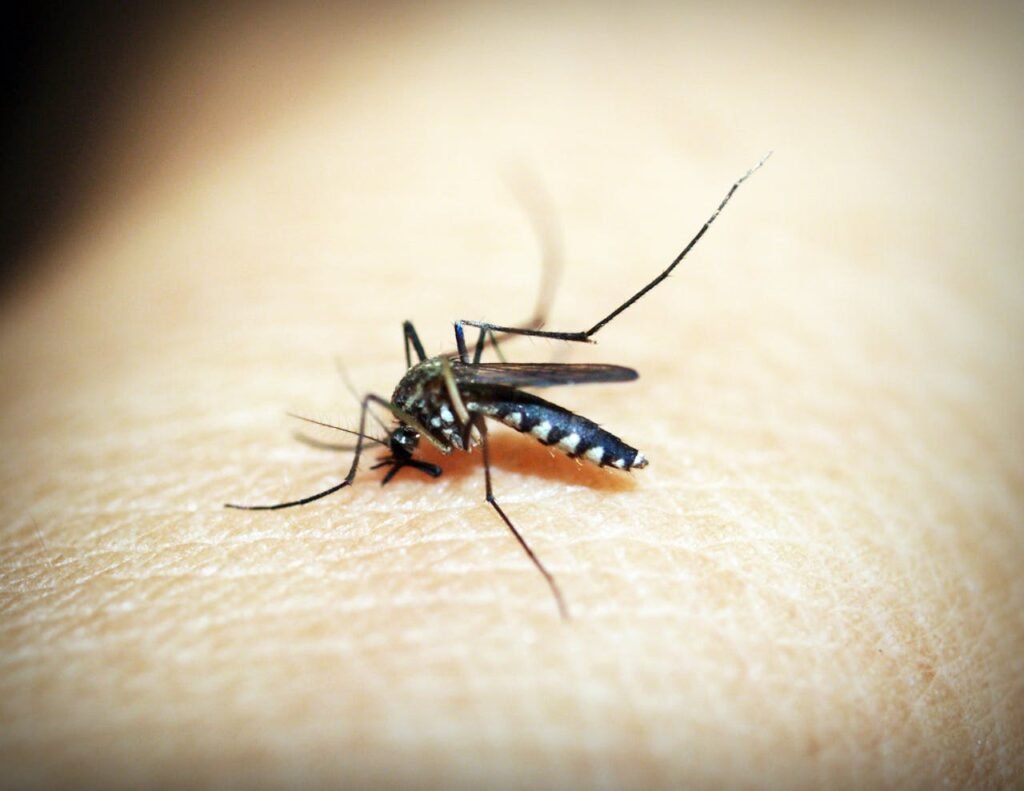
- Mosquito nets: Use insecticide-treated mosquito nets while sleeping, as the Anopheles mosquito is most active at night.
- Repellents: Apply DEET-based insect repellents to exposed skin.
- Clothing: Wear long-sleeved shirts and trousers in the evenings to minimise bite surface area.
The Bill & Melinda Gates Foundation has invested billions into these preventative measures, significantly reducing global malaria deaths over the last decade.
When to Seek Urgent Medical Help
Malaria can progress to a life-threatening state within hours. If the incubation period has passed and you begin to experience confusion, seizures, or difficulty breathing, this may indicate severe malaria. This condition requires immediate hospitalisation and intravenous antimalarial medication.
According to clinical guidelines from the Mayo Clinic, early diagnosis via a blood test is the only way to confirm infection. Do not wait for symptoms to “pass” on their own; malaria is not a self-limiting illness.
The Role of Global Health Initiatives
Global efforts to combat malaria involve more than just individual protection. The CDC works with international partners to monitor resistance to antimalarial medication. Furthermore, the Red Cross plays a vital role in distributing nets and education in rural communities where healthcare access is limited.
Research published in the The Lancet Infectious Diseases suggests that new vaccines are also beginning to play a role in shortening the impact of the disease in endemic populations. However, for the average traveller, basic precautions remain the gold standard.
Resources for Your Next Trip
Before you fly, check the latest advice from Travel Health Pro, the UK’s leading resource for travel vaccinations and malaria maps. You can also consult the British Medical Journal (BMJ) for the latest clinical updates on malaria treatment protocols. If you’re interested in deeper scientific analysis, Oxford University Press journals offer extensive studies on the parasite’s lifecycle, while Tropical Medicine and International Health provides insights into regional outbreaks.
Frequently Asked Questions (FAQs)
Can the malaria incubation period be longer than a month?
Yes. While most cases of Plasmodium falciparum appear within two weeks, other species like P. vivax or P. ovale can stay dormant in the liver. This means symptoms can potentially appear months or even up to a year after the initial bite.
Will antimalarials stop the incubation period?
Antimalarial medication works by killing the parasites as they enter the bloodstream or while they are in the liver. If the medication is effective, it prevents the illness entirely. However, if the dose is inadequate, it may simply delay the malaria incubation period rather than stopping it.
Is malaria contagious during the incubation period?
No. Malaria is not spread from person to person like a cold or the flu. It requires a mosquito to act as a carrier. You cannot spread the disease to others while you are in the incubation phase or even once you are symptomatic.