When we think of malaria, the first symptoms that usually come to mind are a high temperature, shivering, and intense fatigue. However, a malaria rash—while not the most common clinical feature—can occur and often serves as a critical indicator for healthcare providers. Understanding the nuances of how this condition affects the skin is vital for anyone planning a trip to a tropical region.
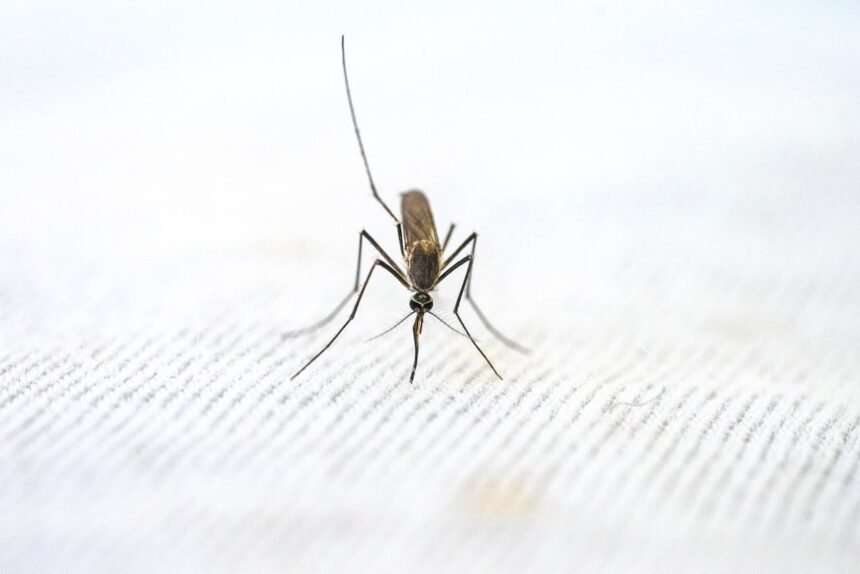
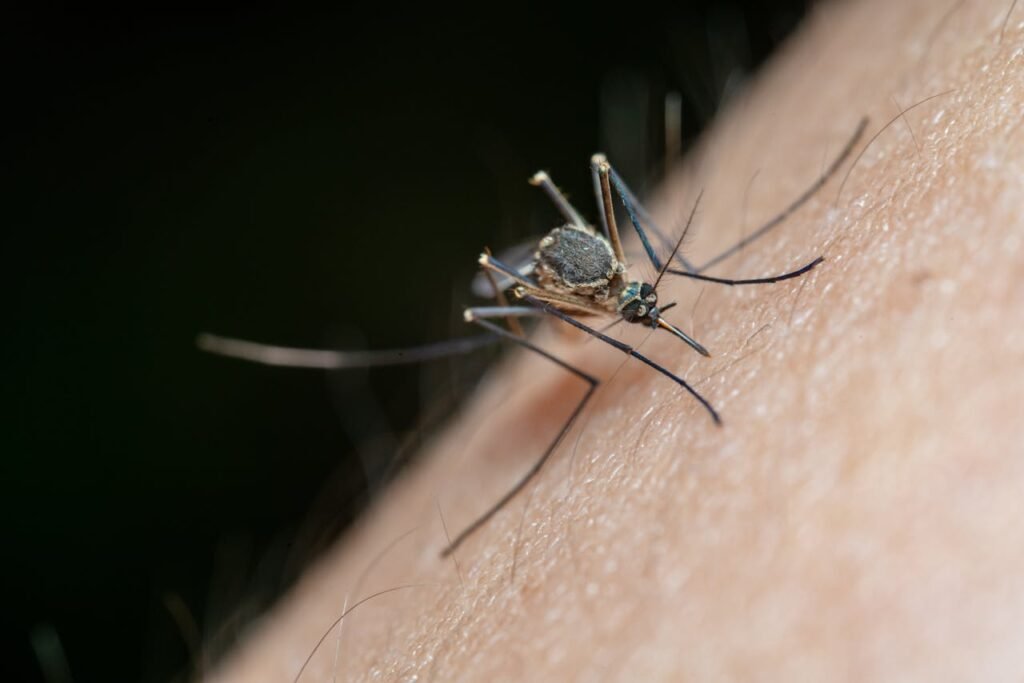
Malaria is a life-threatening disease caused by parasites that are transmitted to people through the bites of infected female Anopheles mosquito. While the primary focus of tropical medicine is often on internal organ function, the dermatological manifestations can provide essential clues during the incubation period.
What Exactly is a Malaria Rash?
A malaria rash is not a single type of skin eruption. Instead, it can manifest in several ways depending on how the body reacts to the infection. It is important to note that a rash is much more common in other mosquito-borne diseases, such as Dengue fever or Zika, which often makes the presence of a rash in a malaria patient a point of clinical interest.
In patients diagnosed with malaria, specifically those infected with Plasmodium falciparum, skin changes usually occur due to one of two reasons: an allergic reaction to the mosquito bite or a systemic response to the parasite’s lifecycle in the blood.
Types of Skin Changes in Malaria
- Urticaria (Hives): These are itchy, raised red welts that can appear suddenly. They are often an immunological response to the parasite.
- Petechiae: These are tiny, circular, non-raised patches that appear on the skin as a result of bleeding under the surface. This is often linked to thrombocytopenia (a low platelet count), which is common in severe malaria.
- Maculopapular Rash: A flat, red area on the skin that is covered with small bumps. This is rarer but has been documented in various case studies in The Lancet Infectious Diseases.
Comparing Mosquito-Borne Rashes
Because many tropical illnesses share similar symptoms, it can be difficult to distinguish between them based on skin changes alone. The following table provides a comparison to help identify the differences between a malaria rash and those associated with other common infections.
| Condition | Rash Type | Common Accompanying Symptoms | Onset of Rash |
|---|---|---|---|
| Malaria | Rare; usually Petechiae or Hives | Cyclical fever, chills, sweats, headache | Late stages or during peak fever |
| Dengue Fever | Very common; Maculopapular “island in a sea of red” | Severe joint pain, behind-the-eye pain | 2–5 days after fever starts |
| Zika Virus | Common; Pruritic (itchy) maculopapular | Conjunctivitis, mild fever, joint pain | Within the first week |
| Chikungunya | Common; Maculopapular or “blotchiness” | Extreme joint swelling and pain | 2–10 days after onset |
Identifying Related Symptoms
A malaria rash rarely appears in isolation. If you have recently returned from an area with high malaria transmission, you must look for the “classic” symptoms alongside any skin changes. According to the NHS, you should be vigilant for:
- High temperature: Usually reaching 38°C or above.
- Rigors: Intense shivering and chills followed by excessive sweating.
- Headaches and Muscle Pain: A general feeling of being unwell, similar to severe flu.
- Gastrointestinal Issues: Vomiting and diarrhoea are common, especially in children.
- Jaundice: A yellowing of the skin or the whites of the eyes, indicating liver involvement.
If you experience any of these symptoms, even if you took prophylactic drugs, you should seek a blood smear test immediately to rule out the infection.
Causes and Risk Factors
The primary cause of the disease is the transmission of the Plasmodium parasite into the human bloodstream. Once the Anopheles mosquito bites a person, the parasites travel to the liver and eventually infect red blood cells. The malaria rash occurs when these red blood cells burst, releasing toxins and debris into the plasma, triggering an immune response.
Certain factors can increase your risk of developing complications or skin reactions:
- Lack of Immunity: People from non-endemic regions (like the UK) are at higher risk of severe symptoms.
- Pregnancy: Malaria can be particularly dangerous for both the mother and the foetus.
- Travel Habits: Failing to utilise an insect repellent containing DEET or neglecting to sleep under insecticide-treated bed nets.
For the latest on global vector control efforts, the London School of Hygiene & Tropical Medicine provides extensive research on how environmental factors influence transmission.
Treatment and Management
A malaria rash will typically resolve once the underlying infection is treated. You should never attempt to treat the rash with topical creams alone, as this does not address the parasitic load in your blood. Treatment usually involves a course of antimalarial medication tailored to the specific strain of the parasite and the region where it was contracted.
Standard treatments often include Artemisinin-based combination therapies (ACTs). It is vital to complete the full course of medication even if you begin to feel better. For more detailed information on specific medications, refer to the Mayo Clinic guide on malaria management.
While recovering, you can manage skin irritation by:
- Keeping the skin cool and dry.
- Wearing loose-fitting cotton clothing to prevent further irritation.
- Consulting a doctor before using antihistamines for itchiness.
Prevention: Your Best Defence
The best way to avoid a malaria rash is to prevent the infection entirely. Travel health experts recommend the “ABCD” approach to prevention:
- A – Awareness: Know the risk in the area you are visiting. Check the Fit For Travel website for up-to-date maps.
- B – Bite prevention: Use insect repellent, wear long sleeves, and use nets.
- C – Chemoprophylaxis: Take the correct antimalarial medication as prescribed.
- D – Diagnosis: Seek immediate medical attention if symptoms appear up to a year after travel.
Effective vector control starts with personal responsibility. The British Red Cross offers excellent resources on basic first aid and bite prevention for travellers.
Research published in Nature highlights that while vaccines are being developed, consistent use of physical barriers remains the most effective way to lower infection rates in tropical medicine.
When to See a Doctor
If you develop a malaria rash or any flu-like symptoms after visiting a high-risk area, it is a medical emergency. You should contact your GP or visit an A&E department immediately. Be sure to mention exactly where you have travelled. Early diagnosis is the key to preventing severe malaria, which can lead to organ failure or cerebral complications.
Doctors will perform a physical exam and order a diagnostic test to check for parasites. You can learn more about these laboratory procedures through Travel Health Pro, which outlines the UK’s standard of care for returning travellers. Furthermore, specific skin complications like petechial rash are detailed by WebMD for those wanting to understand the physiology of skin bleeding.
For more academic insights into the dermatological rarities of this disease, ScienceDirect offers a wealth of peer-reviewed articles on the subject.
Frequently Asked Questions (FAQs)
Does everyone with malaria get a rash?
No, a malaria rash is actually quite rare. Most people experience systemic symptoms like fever and chills. If a rash does appear, it is often a sign of a secondary reaction or a complication like low platelets.
Is a malaria rash itchy?
It can be. If the rash manifests as urticaria (hives), it is typically very itchy. However, if the rash is petechial (small red dots), it usually does not itch or cause pain.
Can I get malaria even if I took my tablets?
Yes, no antimalarial medication is 100% effective. While they significantly reduce your risk, it is still possible to contract the disease, which is why bite prevention and symptom awareness are so important.
How long after a mosquito bite does the rash appear?
The incubation period for malaria is typically 7 to 30 days. Any rash associated with the infection would likely appear within this timeframe, usually alongside a fever. If a rash appears immediately after a bite, it is more likely a localised reaction to the mosquito’s saliva.
For additional reading on the history and global impact of malaria, visit The BMJ for the latest medical updates and clinical trials.