Malaria Vector Control: The Ultimate Guide to Protecting Communities and Saving Lives
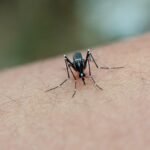
Malaria remains one of the most significant public health interventions of our time. While progress has been made, this parasitic disease continues to affect millions globally, particularly in sub-Saharan Africa. The cornerstone of reducing transmission is malaria vector control—a set of strategic actions designed to limit the contact between humans and the Anopheles mosquito.
In this guide, we will explore the most effective methods of vector control, the science behind how they work, and what you can do to protect yourself and your family. Understanding these strategies is essential for anyone living in or travelling to malaria-endemic regions.
What Exactly is Malaria Vector Control?
At its simplest, malaria vector control refers to any method used to limit or eradicate the mosquitoes that carry the malaria parasite. Since the disease is caused by the Plasmodium falciparum parasite (and others), which is transmitted through the bite of an infected female mosquito, breaking this link is vital.
Effective tropical medicine focuses on two primary goals: reducing the density of mosquitoes in a specific area and preventing them from biting humans in the first place. By implementing wide-scale global health initiatives, many countries have successfully moved towards malaria elimination.
Core Strategies in the Fight Against Malaria
There are several tried-and-tested methods that form the backbone of modern vector control programmes. These are often categorised into chemical and environmental interventions.
1. Insecticide-Treated Nets (ITNs)
Perhaps the most recognisable tool, insecticide-treated nets provide a physical and chemical barrier against mosquitoes. Modern nets are “long-lasting,” meaning the insecticide remains effective for several years despite multiple washes. Mass bed net distribution has been credited with more than half of the malaria cases averted in Africa over the last two decades.
2. Indoor Residual Spraying (IRS)
Indoor residual spraying involves coating the walls and ceilings of houses with a long-acting insecticide. When a mosquito rests on these surfaces after a meal, it absorbs the chemical and dies. This method is highly effective because it targets mosquitoes where they are most likely to bite humans—inside their homes.
3. Larval Source Management
While nets and sprays target adult mosquitoes, larval source management focuses on the water where they breed. By treating mosquito breeding sites with biological or chemical agents, we can prevent the larvae from reaching adulthood. This is particularly useful in urban settings where breeding sites are easily identifiable.
Comparing Primary Vector Control Methods
Different methods suit different environments. Here is a quick comparison of the two most common public health interventions:
| Feature | Insecticide-Treated Nets (ITNs) | Indoor Residual Spraying (IRS) |
|---|---|---|
| Primary Goal | Personal protection and killing mosquitoes | Reducing mosquito lifespan and density |
| Duration | Up to 3 years | 3 to 6 months per application |
| Ease of Use | High (requires individual compliance) | Medium (requires professional teams) |
| Cost | Relatively low per person | Higher per household |
The Role of Antimalarials and Medical Innovation
While controlling the vector is crucial, it works best when paired with medical treatment. Access to antimalarial medication ensures that the parasite reservoir in the human population is reduced. Current gold-standard treatments include artemisinin-based combination therapy (ACT), which is designed to combat drug resistance.
According to researchers at the London School of Hygiene & Tropical Medicine, integrating vector control with rapid diagnosis is the only way to achieve sustainable results. Furthermore, the development of new vaccines, as highlighted by Nature, adds a powerful new layer to our defensive toolkit.
Challenges Facing Malaria Vector Control
Despite our best efforts, several hurdles remain in the quest for a malaria-free world:
- Insecticide Resistance: Mosquitoes are evolving to survive the chemicals used on nets and in sprays. This requires constant innovation in the types of insecticides utilised.
- Behavioural Changes: Some mosquito species have shifted their feeding patterns to bite outdoors or earlier in the evening, bypassing the protection of bed nets.
- Climate Change: Rising temperatures can expand the geographical range of mosquito-borne diseases into previously unaffected areas.
- Funding Gaps: Sustaining mass campaigns requires significant financial investment from organisations like UNICEF and the Wellcome Trust.
Personal Protective Measures: What You Can Do
If you live in or are visiting an area where malaria is prevalent, relying solely on community-wide measures isn’t enough. You should also adopt personal protective measures to minimise your risk.
- Use Repellent: Apply DEET or Picaridin-based repellents to exposed skin.
- Wear Protective Clothing: Opt for long-sleeved shirts and trousers, preferably in light colours, as dark colours can attract mosquitoes.
- Screen Your Windows: Ensure windows and doors have tight-fitting screens to keep insects out.
- Maintain Your Surroundings: Clear stagnant water from pots, gutters, and tyres around your home to eliminate potential breeding grounds.
For those travelling, it is essential to consult a travel clinic. Organizations like the Mayo Clinic recommend starting prophylaxis well before your departure date.
Looking to the Future: Innovation and Technology
The future of malaria vector control is incredibly exciting. Researchers at Imperial College London and Johns Hopkins University are working on gene-drive technology. This involves genetically modifying mosquitoes so they can no longer carry the parasite or so that their offspring are sterile.
Additionally, the Malaria No More campaign highlights how digital mapping and AI are being used to predict outbreaks before they happen. By combining these high-tech solutions with traditional methods, we can stay one step ahead of the Anopheles mosquito.
For the latest peer-reviewed studies on these advancements, you can explore resources on ScienceDirect or PLOS Pathogens. Furthermore, clinical guidelines are regularly updated by the BMJ and The Lancet to reflect the changing landscape of the disease.
Frequently Asked Questions (FAQs)
Is malaria vector control safe for children and pregnant women?
Yes. The insecticides used in insecticide-treated nets and indoor residual spraying are approved by health authorities as safe for use around vulnerable populations, including infants and expectant mothers. In fact, these groups are prioritised for protection because they are at the highest risk of severe complications from malaria.
Can I stop using a net if I am taking antimalarial medication?
No. Antimalarial medication is not 100% effective and does not prevent you from being bitten. Vector control and medication should be used together for the highest level of protection. You can find detailed advice on the CDC website.
What should I do if I suspect I have malaria?
If you develop a high fever, chills, or flu-like symptoms after being in a malaria-risk area, seek medical attention immediately. Early diagnosis and treatment are crucial to prevent the disease from becoming life-threatening. Consult the World Health Organization for a full list of symptoms and global stats.
Note: While malaria vector control has made incredible strides, the fight is far from over. Staying informed and proactive is the best way to support the global mission to end malaria for good.