
Cauliflower has experienced a massive surge in popularity over the last decade. It has transformed from a humble side dish into a low-carbohydrate staple, appearing in everything from pizza crusts to rice alternatives. For the majority of people, this is a positive dietary shift, introducing more fibre and micronutrients into their meals.
However, for individuals managing thyroid conditions—specifically hypothyroidism—the relationship with cruciferous vegetables like cauliflower is complicated. You may have heard that these vegetables can interfere with thyroid function, potentially worsening symptoms or interacting with medication.
This concern centres on compounds known as goitrogens. While the science supports the existence of these compounds, the practical implications for your dinner plate are often misunderstood or exaggerated.
If you are searching for clarity on the cauliflower thyroid connection, it is essential to look beyond the headlines and understand the biochemistry, the role of cooking methods, and the context of your overall diet.
This article explores whether you really need to limit cauliflower for thyroid health, supported by current research.
Overview: The Thyroid and Nutrition Connection
Your thyroid is a butterfly-shaped gland located at the base of your neck. It produces hormones—primarily thyroxine (T4) and triiodothyronine (T3)—that regulate metabolism, heart rate, and body temperature. To produce these hormones effectively, the gland requires specific nutrients, most notably iodine and selenium.
When the thyroid is underactive (hypothyroidism), processes in the body slow down. This is commonly managed with synthetic hormone replacement, such as levothyroxine. However, diet plays a supportive role.
Certain foods are classified as ‘goitrogenic,’ meaning they have the potential to disrupt the thyroid’s ability to uptake iodine, which is the building block of thyroid hormones. Because cauliflower falls into this category, it often ends up on ‘foods to avoid’ lists for thyroid patients. Yet, simply eliminating nutrient-dense vegetables may do more harm than good.
Understanding the nuance of how these vegetables affect hormonal pathways is the first step toward a balanced diet.
Causes and Factors: Understanding Goitrogens
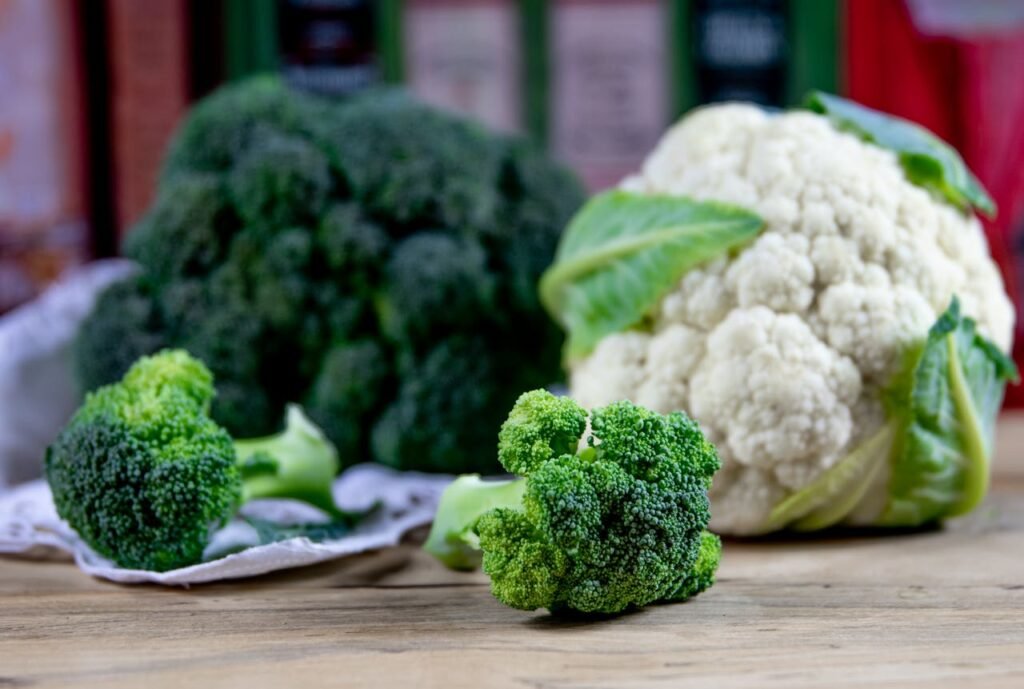
To understand the risk, we must define what makes cauliflower potentially problematic. Cauliflower belongs to the Brassica genus, part of the cruciferous vegetable family. This family also includes broccoli, kale, cabbage, and Brussels sprouts.
The Role of Glucosinolates
Cruciferous vegetables contain sulfur-containing compounds called glucosinolates. These compounds are beneficial for the most part; they have been studied for their potential anticancer properties and ability to support liver detoxification.
However, when these vegetables are chopped or chewed, an enzyme called myrosinase breaks down glucosinolates into other metabolic byproducts, including:
- Goitrin
- Thiocyanates
- Isothiocyanates
These byproducts are the actual goitrogens. According to the British Thyroid Foundation, goitrogens can interfere with thyroid function in two primary ways:
- Blocking Iodine Uptake: They can inhibit the thyroid gland from absorbing iodine from the bloodstream.
- Interfering with TPO: They may interfere with thyroid peroxidase (TPO), an enzyme necessary for attaching iodine to tyrosine to form thyroid hormones.
The Iodine Factor
It is critical to note that the impact of goitrogens is heavily dependent on your iodine status. Research suggests that goitrogens usually only cause issues when a person is already suffering from an iodine deficiency.
In the UK, iodine deficiency is more common than many realise, as iodine is not routinely added to table salt (unlike in the US). If your iodine levels are sufficient, your thyroid can usually handle moderate amounts of goitrogens without difficulty.
Raw vs. Cooked Cauliflower
The “danger” of cauliflower is not a static value. The preparation method significantly alters the chemical profile of the vegetable.
- Raw Cauliflower: Contains active myrosinase and higher levels of intact glucosinolates. Consuming large quantities of raw cauliflower (for example, in smoothies or salads daily) presents the highest potential risk for thyroid interference.
- Cooked Cauliflower: Heat deactivates the myrosinase enzyme and reduces goitrogenic content. Boiling, steaming, or roasting cauliflower can reduce the availability of goitrins and other antinutrients significantly.
Studies cited by the National Institutes of Health (NIH) indicate that typical serving sizes of cooked cruciferous vegetables generally do not pose a risk to thyroid function in people with healthy iodine levels.
Treatment and Dietary Management
If you have been diagnosed with an underactive thyroid or Hashimoto’s thyroiditis, you do not necessarily need to banish cauliflower from your kitchen. Instead, management is about moderation, preparation, and nutrient synergy.
1. Assessing Your Intake
The phrase “the dose makes the poison” applies here. The cases where cruciferous vegetables induced goitre (an enlarged thyroid) or hypothyroidism typically involved excessive consumption—such as consuming over 1kg of raw bok choy daily for months.
For the average person enjoying a side of roasted cauliflower or a cauliflower pizza base a few times a week, the cauliflower thyroid risk is negligible. The nutritional benefits of the vegetable—high Vitamin C, folate, fibre, and antioxidants—usually outweigh the theoretical risks.
2. Prioritise Cooking Methods
To manage thyroid health proactively while enjoying Brassica vegetables, heat is your best friend.
| Cooking Method | Effect on Goitrogens | Recommendation |
|---|---|---|
| Boiling | Reduces goitrogens by up to 90% as they leach into the water. | Highest Safety |
| Steaming | Significantly reduces goitrogens; retains more vitamins than boiling. | Excellent Balance |
| Roasting/Baking | Reduces goitrogenic activity via heat, though less than boiling. | Safe in Moderation |
| Raw | Retains full goitrogenic potential. | Limit Consumption |
3. Nutrient Pairing: Selenium and Zinc
Thyroid health is not just about avoiding triggers; it is about fuelling the gland. Selenium and zinc are critical for the conversion of T4 (inactive hormone) to T3 (active hormone).
If you are eating cauliflower, ensure your diet is rich in selenium to support the thyroid pathway. Brazil nuts are the most potent source of selenium; just one or two nuts can provide your daily requirement.
According to Healthline, ensuring a varied diet prevents any single anti-nutrient from overwhelming your system. By pairing your roasted cauliflower with a selenium-rich protein like salmon or turkey, you support the metabolic pathways that goitrogens might otherwise attempt to disrupt.
Practical Tips for Thyroid-Friendly Eating
Navigating a thyroid-friendly diet can be confusing. Here are practical steps to include cauliflower safely:
- Avoid ‘Green’ Smoothies with Cauliflower: Some wellness trends advocate adding frozen raw cauliflower to smoothies for texture. If you have hypothyroidism, this is the one habit to avoid, as it delivers a concentrated dose of raw goitrogens.
- Rotate Your Vegetables: Do not rely solely on cruciferous vegetables. Alternate cauliflower and broccoli with non-goitrogenic vegetables like courgettes (zucchini), aubergines (eggplant), carrots, peppers, and green beans. This rotation minimizes the accumulation of specific compounds.
- Check Your Iodine: If you are concerned, speak to your GP or an endocrinologist. If you are iodine deficient, you may need to be stricter with goitrogens or introduce an iodine supplement (under medical supervision). Useful information can be found via Thyroid UK.
- Timing with Medication: Always take your levothyroxine or thyroid medication on an empty stomach, at least 30 to 60 minutes before food. High-fibre meals (including those with lots of cauliflower) can occasionally affect absorption, so consistency in your dietary habits is key.
A Note on Fermentation
Fermented cauliflower (often found in mixed pickles or giardiniera) is another grey area. While fermentation provides probiotics beneficial for gut health—which is linked to thyroid health—it does not always deactivate goitrogens as effectively as boiling. Enjoy these foods as a condiment rather than a main course.
For a broader look at managing conditions like hypothyroidism, the NHS provides comprehensive guidelines on lifestyle and medication.
The Bottom Line
Should you limit cauliflower if you have thyroid issues? For most people, the answer is no—you do not need to eliminate it completely.
The cauliflower thyroid link is based on scientific truth, but it is often taken out of context. The compounds that interfere with thyroid function are largely deactivated by cooking, and they primarily pose a risk only when iodine intake is low and vegetable consumption is extremely high and raw.
Takeaway tips:
- Cook it: Steam, roast, or boil cauliflower to reduce goitrogenic activity.
- Limit raw intake: Avoid raw cauliflower in smoothies or large salads.
- Watch iodine levels: Ensure you are getting enough iodine and selenium in your diet.
- Variety is key: Rotate cauliflower with non-cruciferous vegetables.
If you enjoy cauliflower rice or roasted florets, they can remain a healthy part of your diet. As with all nutritional advice, listen to your body and consult with your healthcare provider, such as the experts at the American Thyroid Association, to tailor choices to your specific blood work and needs.
Cauliflower is a nutritional powerhouse. With a few simple adjustments to how you prepare it, you can reap the benefits without compromising your thyroid health.