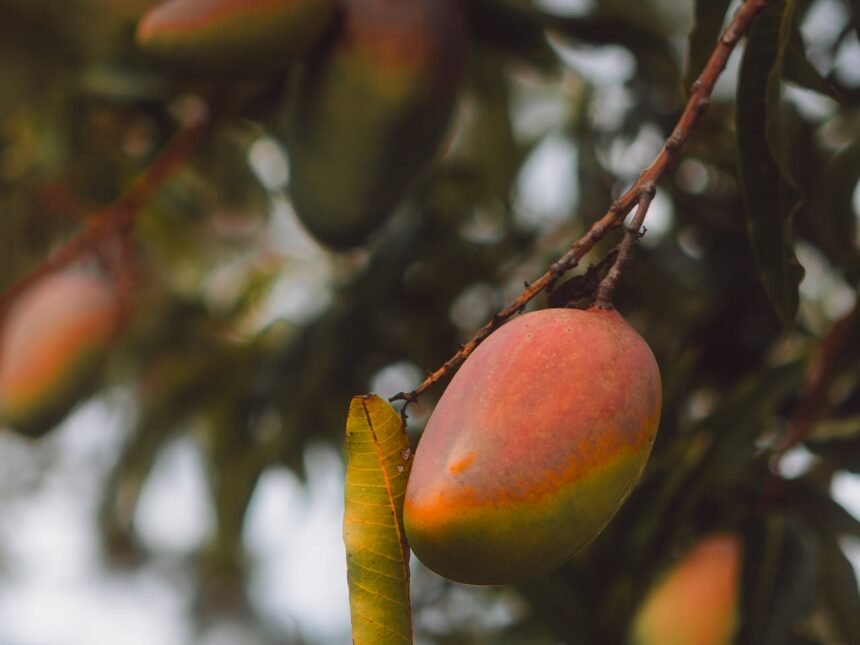
Mangoes are often celebrated as the ‘king of fruits’, and for good reason. Beyond their sweet, tropical flavour and vibrant colour, they offer a treasure trove of essential nutrients.
While many people enjoy mangoes simply for the taste, few realise just how beneficial this fruit can be for long-term vision.
In an era where screen time is at an all-time high, maintaining optimal eye health has never been more critical. Our eyes are constantly subjected to blue light and environmental stressors that can degrade vision over time.
Fortunately, dietary choices play a massive role in protecting your eyes. Nature provides specific compounds designed to shield delicate eye tissues from damage.
Mangoes specifically are packed with potent antioxidants, including Vitamin A and zeaxanthin. These nutrients are scientifically proven to support retinal health and filter harmful light waves.
Understanding how these compounds function can empower you to make smarter dietary decisions. By incorporating mangoes into a balanced diet, you may reduce your risk of common eye conditions.
This article explores the science behind mangoes and eye health, breaking down exactly how this tropical fruit supports your vision.
The Nutritional Powerhouse: Vitamin A and Zeaxanthin
To understand why mango is so beneficial, we must first look at its nutritional profile. Mangoes are not just sugary treats; they are nutrient-dense powerhouses.
The primary driver of mango’s eye-boosting capability is its high concentration of provitamin A carotenoids. The most abundant of these is beta-carotene.
Vitamin A: The Guardian of the Retina
Vitamin A is absolutely essential for vision. It is a key component of the protein rhodopsin, which allows the retina to absorb light.
Without sufficient Vitamin A, the eyes struggle to adjust to low-light conditions. This can lead to night blindness, a condition where vision is severely compromised in the dark.
Furthermore, Vitamin A supports the functioning of the cornea, the protective outer layer of the eye. A deficiency here can cause extreme dryness and corneal damage.
According to the NHS guide on vitamins, Vitamin A is also crucial for keeping the immune system healthy, which indirectly supports eye integrity by preventing infections.
When you eat a mango, your body converts the beta-carotene into active Vitamin A (retinol). This process ensures your eyes have the raw materials needed to repair cellular damage.
Zeaxanthin: The Internal Sunglasses
Alongside Vitamin A, mangoes contain zeaxanthin. This is a powerful antioxidant classified as a xanthophyll carotenoid.
Zeaxanthin accumulates in the macula, the part of the retina responsible for sharp, detailed central vision. It acts remarkably like internal sunglasses.
Research highlighted by the Macular Society suggests that zeaxanthin helps filter out harmful high-energy blue light waves. This filtration is vital for protecting the light-sensitive cells in the eyes.
Oxidative stress is a major contributor to age-related eye decline. Zeaxanthin neutralises free radicals, thereby reducing oxidative damage to the retinal tissues.
Combined with lutein, another carotenoid found in mangoes, zeaxanthin forms a protective pigment shield known as macular pigment optical density (MPOD).

Health Benefits for Vision
Consuming mangoes regularly can translate these nutrients into tangible health benefits. The synergy between Vitamin A and zeaxanthin offers comprehensive protection.
Here is how mango specifically aids your vision:
1. Reducing the Risk of Macular Degeneration
Age-related macular degeneration (AMD) is a leading cause of vision loss in older adults. It involves the deterioration of the macula.
Studies suggest that diets rich in carotenoids like zeaxanthin can slow the progression of AMD. While mangoes are not a cure, they are a potent preventative food.
By increasing the density of the macular pigment, you create a stronger barrier against degeneration. This is particularly important for those with a family history of eye disease.
2. Alleviating Dry Eye Symptoms
Dry eye syndrome is increasingly common, often exacerbated by air conditioning and screen use. It occurs when the eyes do not produce enough tears or the tears evaporate too quickly.
Vitamin A plays a pivotal role in tear production and quality. It helps maintain the mucous barriers in the eye, ensuring tears adhere to the surface properly.
A deficiency in Vitamin A is a known cause of severe dry eye. Incorporating Vitamin A-rich foods like mango can help maintain natural lubrication.
For more on managing dry eye, Specsavers offers detailed advice on lifestyle changes and dietary impacts.
3. Combatting Digital Eye Strain
Digital eye strain is a modern epidemic. The blue light emitted by phones and laptops can penetrate deep into the eye.
Because zeaxanthin filters blue light, maintaining high levels of this nutrient may help reduce the fatigue associated with prolonged screen time.
Think of it as a dietary defence system for the digital age. Eating mangoes contributes to the reservoir of antioxidants needed to cope with this modern stressor.
Nutrient Comparison: Mango vs. Other Fruits
It is helpful to see how mango stacks up against other popular fruits regarding eye-healthy nutrients. The table below illustrates the relative content of key compounds.
| Fruit (100g serving) | Vitamin A (% DV) | Zeaxanthin/Lutein | Sugar Content | Primary Benefit |
|---|---|---|---|---|
| Mango | High (~10-20%) | Moderate | High | Retinal support & Blue light filter |
| Orange | Moderate | Low | Moderate | Vitamin C (Cataract prevention) |
| Blueberries | Low | Low | Moderate | Anthocyanins (Circulation) |
| Banana | Low | None | High | Potassium (Fluid balance) |
| Kiwi | Low | High | Moderate | Lutein (Macular health) |
Note: Values are approximate and vary by fruit variety and ripeness.
While leafy greens like kale are the ultimate source of lutein, mangoes provide a sweeter, more palatable way to boost these levels, especially for children or picky eaters.
The British Dietetic Association emphasises variety in fruit consumption to cover all nutrient bases.
Tips for Maximising Absorption
Eating mango is good, but eating it correctly is better. Vitamin A and carotenoids are fat-soluble nutrients.
This means they require dietary fat to be absorbed efficiently by the body.
If you eat mango on an empty stomach with no fat, you may not absorb the full quota of zeaxanthin and beta-carotene. To maximise the benefits, pair mango with healthy fats.
Pairing Ideas:
- Mango and Yoghurt: Full-fat Greek yoghurt provides the lipid base needed for absorption while adding protein.
- Mango in Salads: Add mango slices to a salad with avocado and a dressing made from extra virgin olive oil.
- Smoothies: Blend mango with a tablespoon of flaxseeds or a splash of coconut milk.
The British Heart Foundation recommends mindful portion sizes, even with fruit, to maintain a balanced diet.
Choosing the Right Mango
ripeness affects nutrient levels. Generally, the deeper the orange colour of the flesh, the higher the carotenoid content.
Look for mangoes that are slightly soft to the touch and fragrant. A firm mango will ripen at room temperature over a few days.
Frequently Asked Questions
Is dried mango as good as fresh mango for eye health?
Dried mango still contains Vitamin A and antioxidants, but the sugar concentration is much higher by weight. Additionally, some water-soluble vitamins may degrade during the drying process.
It is easy to overconsume dried fruit. The NHS Eatwell Guide suggests limiting dried fruit to mealtimes to reduce the risk of tooth decay.
can mangoes cure bad eyesight?
No food can ‘cure’ refractive errors like short-sightedness or astigmatism. However, a diet rich in mangoes supports the biological structures of the eye, potentially preventing degenerative diseases.
For authoritative information on treating vision problems, consult resources like Moorfields Eye Hospital.
Is it safe to eat mango skin?
While mango skin contains high levels of antioxidants, it also contains urushiol, a compound found in poison ivy. This can cause allergic reactions in some people.
Furthermore, the texture is tough and bitter. It is generally recommended to peel the fruit to enjoy the flesh safely and comfortably.
How much mango should I eat?
A standard portion is roughly 80g, which is about half a medium-sized mango or two slices. This counts as one of your 5-a-day.
For those monitoring blood sugar, such as diabetics, moderation is key due to the natural sugar content. Diabetes UK provides excellent guidance on managing fruit intake.
Does freezing mango destroy the nutrients?
Freezing is actually a great way to preserve nutrients. If mangoes are frozen at peak ripeness, the Vitamin A and zeaxanthin content remains stable for months.
This makes frozen mango chunks a convenient and healthy option for smoothies during the winter months when fresh mangoes are less available.
The Bottom Line
Mangoes are a delicious addition to a healthy diet, offering much more than just tropical flavour. Their rich content of Vitamin A and zeaxanthin makes them a valuable ally in maintaining eye health.
Regular consumption can support the retina, filter blue light, and potentially lower the risk of age-related macular degeneration.
However, they should be eaten as part of a varied diet. Pairing them with healthy fats will ensure you absorb the maximum amount of nutrients.
Remember that while nutrition is vital, it does not replace professional eye care. Regular check-ups are essential for detecting issues early.
For a broader look at nutrition and wellness, you can explore further articles on Healthline.
By enjoying mangoes in moderation, you are treating your taste buds while taking a proactive step toward preserving your vision for years to come. Prioritise your eyes today by adding this vibrant fruit to your shopping list.