In the realm of nutrition, fruit often occupies a controversial space for those monitoring their blood sugar. Is it nature’s candy, packed with dangerous sugars, or a vital source of nutrients? The answer lies in nuance, specifically in understanding the Glycemic Index (GI). For individuals managing diabetes, insulin resistance, or simply striving for metabolic health, eliminating fruit entirely is rarely necessary. Instead, the key is mastering selection and portion control by focusing on low glycemic index fruits.
This comprehensive guide explores the science behind the GI scale, identifies the best fruits for maintaining stable glucose levels, and provides actionable strategies to incorporate them into a balanced diet.
Understanding the Glycemic Index and Glycemic Load
Before diving into specific fruits, it is crucial to understand the metrics we use to evaluate them. The Glycemic Index (GI) is a ranking system that classifies carbohydrate-containing foods on a scale from 0 to 100 based on how quickly they raise blood sugar levels compared to pure glucose.
- Low GI (55 or less): Digested and metabolized slowly, causing a slower, smaller rise in blood glucose.
- Medium GI (56 to 69): Moderate impact on blood sugar.
- High GI (70 and above): Rapidly digested, leading to sharp spikes in blood sugar.
According to the Mayo Clinic, choosing foods with a low GI value can aid in weight management and reduce the risk of chronic diseases. However, the GI doesn’t tell the whole story. We must also consider the Glycemic Load (GL), which accounts for the serving size. A fruit might have a moderate GI, but if it contains very few carbohydrates per serving, its actual load on your blood sugar is low.
The Top Low Glycemic Index Fruits
Incorporating low glycemic index fruits into your diet allows you to enjoy sweetness and essential micronutrients without the metabolic crash. Here are the top contenders.
1. Berries: The Antioxidant Powerhouses
Berries are widely considered the gold standard for fruit in a low-carb or diabetic-friendly diet. Strawberries, raspberries, blueberries, and blackberries typically have a GI score between 25 and 40. They are packed with fiber, Vitamin C, and anthocyanins—compounds known to improve insulin sensitivity.
Research highlighted by Harvard Health suggests that the high fiber content in berries slows glucose absorption, preventing sudden spikes.
2. Tart Cherries
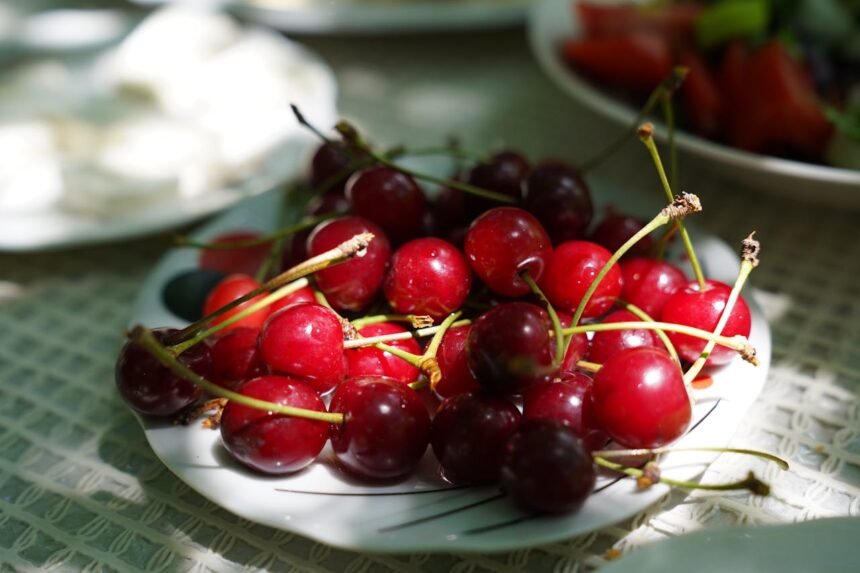
With a GI score of roughly 22, cherries are exceptionally low on the scale. They contain high levels of potassium and antioxidants, which fight inflammation. However, distinguishing between fresh tart cherries and sweetened dried cherries or maraschino cherries is vital; the latter are often laden with added syrups that negate the benefits.
3. Apples and Pears (Skin On)
An apple a day may indeed keep the doctor away, primarily due to pectin, a soluble fiber found in the skin. Pectin feeds beneficial gut bacteria and moderates sugar absorption. Both apples and pears generally fall below 40 on the GI scale. The American Diabetes Association emphasizes eating the whole fruit rather than drinking juice to maximize fiber intake.
4. Grapefruit and Citrus
Citrus fruits like grapefruit (GI ~25) and oranges (GI ~40) are excellent choices. Grapefruit, in particular, contains naringenin, a flavonoid that may improve insulin sensitivity. However, if you are taking prescription medications (such as statins), consult the FDA guidelines as grapefruit can interact with how your body metabolizes drugs.
5. Stone Fruits: Peaches, Plums, and Apricots
Fresh stone fruits are delicious seasonal treats with relatively low GI scores (ranging from 30 to 45). They offer a good dose of Vitamins A and C. Caution is advised with dried versions (like prunes or dried apricots), as the sugar becomes concentrated and the GI can climb significantly.
Comparative Analysis: GI Scores and Carbohydrate Content
To help you visualize the best options, the table below compares popular fruits based on their estimated Glycemic Index and carbohydrate content per typical serving.
| Fruit (Fresh) | Est. Glycemic Index (GI) | Carbs per 100g (approx) | Fiber per 100g | Rating |
|---|---|---|---|---|
| Cherries | 22 | 12g | 2.1g | Excellent |
| Grapefruit | 25 | 11g | 1.6g | Excellent |
| Strawberries | 40 | 8g | 2.0g | Excellent |
| Apples | 36 | 14g | 2.4g | Very Good |
| Pears | 38 | 15g | 3.1g | Very Good |
| Oranges | 43 | 12g | 2.4g | Good |
| Banana (Ripe) | 51 | 23g | 2.6g | Moderate |
| Watermelon | 72 | 8g | 0.4g | Use Caution |
| Dates (Dried) | 42-100+ (varies) | 75g | 8g | Limit |
Note: Data averages sourced from USDA FoodData Central.

The “Grey Area”: Fruits to Approach with Caution
Not all fruits are created equal. Some popular choices require closer monitoring regarding portion size and ripeness.
The Banana Dilemma
Bananas are often demonized, but their GI depends heavily on ripeness. A green, under-ripe banana has a lower GI (around 40) due to resistant starch, which acts like fiber. A fully brown, spotted banana has converted that starch into simple sugars, raising the GI to over 50 or 60. Medical News Today explains that while bananas are nutritious, people with diabetes should opt for smaller, less ripe bananas.
The Watermelon Paradox
Watermelon has a high GI (around 72), suggesting it should be avoided. However, because it is mostly water, it has a very low Glycemic Load per standard serving. This means a single slice is unlikely to spike blood sugar, but eating half a melon certainly will. This nuance is why understanding both GI and GL is critical.
Dried Fruits
Dried fruits like raisins, dates, and cranberries are essentially concentrated sugar bombs. The water has been removed, leaving a dense carbohydrate source. A handful of grapes is low glycemic; a handful of raisins is not. The National Institute of Diabetes and Digestive and Kidney Diseases (NIDDK) recommends sticking to fresh or frozen fruit over dried or canned varieties packed in syrup.
Strategies for Balancing Blood Sugar with Fruit
Selecting low glycemic index fruits is step one. Step two is consuming them in a way that further minimizes blood sugar impact.
1. The Power of Pairing
Never eat fruit “naked” if you are struggling with blood sugar control. Pair your carbohydrates with protein or healthy fats. The fat and protein slow down the emptying of the stomach, delaying the entry of sugar into the bloodstream.
- Example: Apple slices with almond butter.
- Example: Berries mixed into Greek yogurt.
2. Texture Matters: Juice vs. Whole Fruit
Processing fruit destroys the structural matrix of fiber. Drinking orange juice provides a rapid influx of sugar, whereas eating an orange requires chewing and digestion, slowing the release of fructose. The CDC consistently advises choosing whole produce over fruit juices to manage diabetes effectively.
3. Timing and Activity
Your body creates the most room for glucose storage (glycogen) after physical activity. Consuming fruits after a workout utilizes the sugar for recovery rather than leaving it to linger in the bloodstream. Conversely, eating a large fruit salad right before bed, when insulin sensitivity is naturally lower, may lead to higher morning glucose levels.
Conclusion
Navigating the produce aisle doesn’t have to be a source of anxiety. Fruit provides essential vitamins, minerals, and phytonutrients that supplements simply cannot replicate. By prioritizing low glycemic index fruits like berries, cherries, and tart apples, and employing smart pairing strategies, you can enjoy nature’s sweetness while maintaining metabolic control.
Remember, nutrition is highly individual. While the Glycemic Index provides a strong framework, monitoring how your unique body responds to different foods is the ultimate test. If you are managing a specific condition, consider consulting a Registered Dietitian through resources like the Academy of Nutrition and Dietetics to tailor a plan to your needs.
Start small: swap that afternoon cookie for a handful of almonds and strawberries, and watch how your energy—and your blood sugar—stabilizes.