Menstrual health represents a fundamental aspect of women’s overall wellbeing, encompassing the physical, emotional, and social dimensions of the menstrual cycle. Understanding normal menstrual patterns, recognising variations, and effectively managing associated symptoms enables women to maintain optimal health throughout their reproductive years. Comprehensive menstrual health education empowers women to make informed decisions about their bodies, seek appropriate healthcare when needed, and advocate for their health needs in various settings.
Understanding the Menstrual Cycle
The menstrual cycle is a complex physiological process orchestrated by hormonal fluctuations that prepare the body for potential pregnancy each month. This intricate system involves the coordinated function of the hypothalamus, pituitary gland, ovaries, and uterus, creating a cyclical pattern that typically ranges from 21 to 35 days in healthy adult women.
Cycle Phases and Hormonal Changes
Menstrual Phase (Days 1-5) begins with menstruation, when the endometrial lining sheds if pregnancy has not occurred. Hormone levels, particularly oestrogen and progesterone, reach their lowest points during this phase, triggering the release of menstrual flow.
Follicular Phase (Days 1-13) overlaps with menstruation and continues until ovulation. During this time, follicle-stimulating hormone (FSH) stimulates ovarian follicles to develop, while rising oestrogen levels promote endometrial regeneration and thickening.
Ovulation (Around Day 14) occurs when luteinising hormone (LH) surges, triggering the release of a mature egg from the dominant follicle. This phase typically lasts 12-24 hours and represents the most fertile period of the cycle.
Luteal Phase (Days 15-28) follows ovulation as the empty follicle transforms into the corpus luteum, producing progesterone to maintain the endometrial lining. If pregnancy doesn’t occur, hormone levels decline, leading to menstruation and cycle renewal.
Normal Variations and Individual Differences
Cycle Length and Flow Patterns
While textbooks often describe a 28-day cycle, normal menstrual cycles can range from 21 to 35 days, with most women experiencing consistent individual patterns. Menstrual flow typically lasts 3-7 days, with total blood loss averaging 30-40ml over the entire cycle, though individual variations are common and generally normal.
Age-Related Changes
Adolescence brings irregular cycles as the reproductive system matures, with cycles often taking 1-2 years to establish regular patterns. Anovulatory cycles (cycles without ovulation) are common during this period and typically resolve without intervention.
Reproductive Years generally feature more predictable cycles, though variations can occur due to stress, weight changes, exercise intensity, and other lifestyle factors.
Perimenopause introduces cycle irregularities as hormone production fluctuates and eventually declines, often beginning in a woman’s 40s and continuing until menopause.
| Menstrual Characteristic | Normal Range | When to Seek Medical Advice |
|---|---|---|
| Cycle Length | 21-35 days | Cycles shorter than 21 days or longer than 35 days |
| Flow Duration | 3-7 days | Flow lasting longer than 7 days or shorter than 2 days |
| Blood Loss | 30-40ml total | Soaking through pad/tampon hourly for several hours |
| Cycle Regularity | Variation within 7 days | Irregular cycles after established pattern |
Common Menstrual Symptoms and Management
Physical Symptoms
Menstrual Cramps (Dysmenorrhea) affect up to 90% of menstruating individuals, ranging from mild discomfort to severe pain that interferes with daily activities. Primary dysmenorrhea results from uterine contractions caused by prostaglandin release, while secondary dysmenorrhea may indicate underlying conditions requiring medical evaluation.
Premenstrual Syndrome (PMS) encompasses various physical and emotional symptoms occurring in the luteal phase, including bloating, breast tenderness, headaches, fatigue, and mood changes. Symptoms typically resolve with menstruation onset and can be managed through lifestyle modifications and, when necessary, medical interventions.
Heavy Menstrual Bleeding (Menorrhagia) involves excessive blood loss that interferes with daily activities or causes anaemia. This condition warrants medical evaluation to identify underlying causes and appropriate treatment options.
Emotional and Psychological Aspects
Hormonal fluctuations throughout the menstrual cycle can influence mood, energy levels, and cognitive function. While mild mood changes are normal, severe emotional symptoms that significantly impact quality of life may indicate conditions like premenstrual dysphoric disorder (PMDD) requiring professional treatment.
Lifestyle Factors Affecting Menstrual Health
Nutrition and Menstrual Wellbeing
Adequate nutrition plays a crucial role in menstrual health, with deficiencies in iron, vitamins, and minerals potentially affecting cycle regularity and symptom severity. A balanced diet rich in whole foods, adequate protein, and essential fatty acids supports optimal reproductive function.
Iron Requirements increase during menstruation due to blood loss, making iron-rich foods and, when necessary, supplements important for preventing anaemia. Pairing iron-rich foods with vitamin C sources enhances absorption and maximises benefits.
Anti-inflammatory Foods such as fatty fish, leafy greens, and berries may help reduce menstrual cramps and PMS symptoms by modulating inflammatory pathways involved in prostaglandin production.
Exercise and Physical Activity
Regular physical activity can significantly improve menstrual health by reducing symptom severity, improving mood, and supporting overall reproductive function. Exercise helps regulate hormones, improve circulation, and release endorphins that naturally combat pain and mood symptoms.
Aerobic Exercise such as walking, swimming, or cycling can reduce menstrual cramps and PMS symptoms while improving cardiovascular health and energy levels.
Strength Training supports bone health and muscle function, particularly important during hormonal fluctuations that can affect bone density and muscle mass.
Yoga and Stretching provide targeted relief for menstrual cramps while promoting relaxation and stress reduction through mindful movement and breathing techniques.
Managing Menstrual Symptoms Naturally
Heat Therapy and Pain Relief
Applying heat to the lower abdomen or back can effectively reduce menstrual cramps by promoting muscle relaxation and improving blood flow. Heating pads, warm baths, or heat patches provide accessible, drug-free pain management options.
Stress Management Techniques
Chronic stress can disrupt hormonal balance and exacerbate menstrual symptoms. Implementing stress reduction strategies such as meditation, deep breathing exercises, or regular relaxation practices can improve overall menstrual health and symptom management.
Sleep Hygiene and Rest
Adequate sleep supports hormonal regulation and overall health, while sleep disturbances can worsen PMS symptoms and affect cycle regularity. Maintaining consistent sleep schedules and creating optimal sleep environments promotes better menstrual health.
Menstrual Products and Hygiene
Product Options and Selection
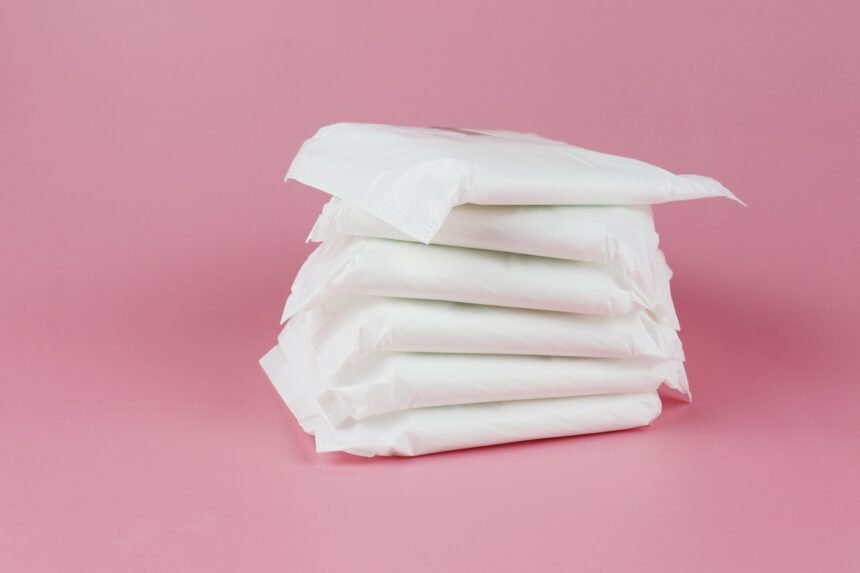
Disposable Products including pads and tampons offer convenience and widespread availability, with various absorbency levels to match individual flow patterns. Proper usage guidelines and regular changing prevent odour and reduce infection risk.
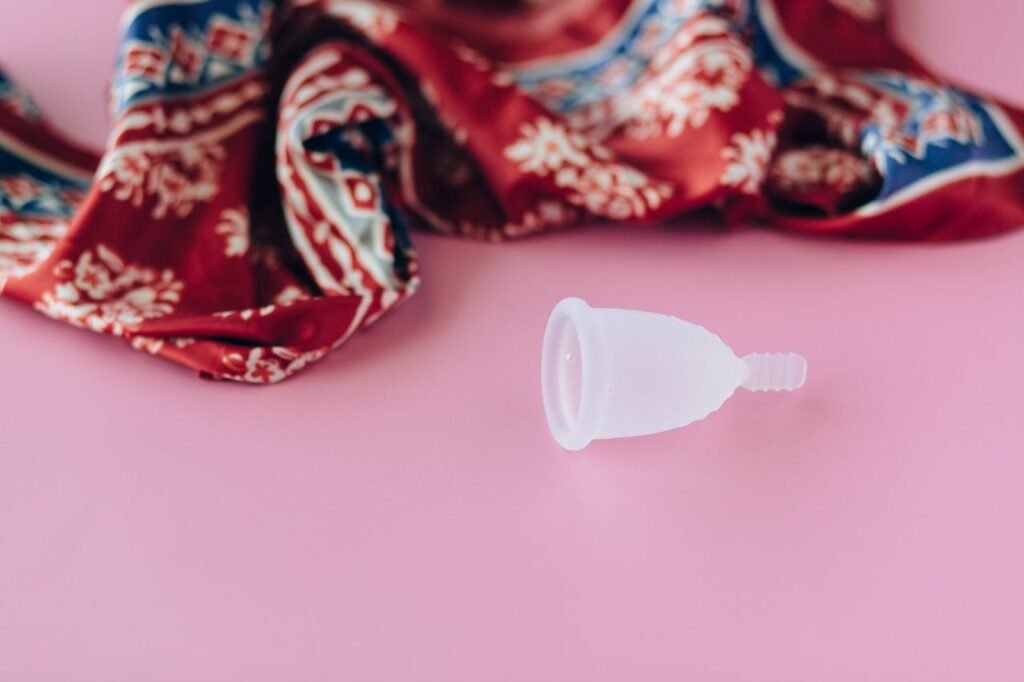
Reusable Products such as menstrual cups and cloth pads provide environmentally sustainable options that can be more economical long-term while offering effective protection.
Period Underwear represents newer technology providing built-in absorbency without additional products, offering comfort and discretion for light to moderate flow days.
Hygiene Practices
Maintaining good menstrual hygiene involves regular product changes, proper hand washing before and after handling menstrual products, and gentle cleansing of the external genital area with mild soap and water. Avoiding douching and scented products helps maintain natural vaginal pH balance.
When to Seek Medical Attention
Warning Signs and Symptoms
Certain menstrual changes warrant medical evaluation to rule out underlying conditions or health concerns. Heavy bleeding that soaks through pads or tampons hourly for several consecutive hours, severe pain that doesn’t respond to over-the-counter medications, or significant cycle changes from established patterns should prompt healthcare consultation.
Conditions Requiring Professional Care
Endometriosis involves endometrial tissue growing outside the uterus, causing severe pain and potentially affecting fertility. Early diagnosis and treatment can improve symptoms and prevent complications.
Polycystic Ovary Syndrome (PCOS) affects hormone production and can cause irregular cycles, excessive hair growth, and metabolic changes requiring comprehensive medical management.
Fibroids are non-cancerous uterine growths that can cause heavy bleeding, pain, and other symptoms depending on their size and location.
Menstrual Health Across the Lifespan
Adolescent Menstrual Health
Supporting young people through their first menstrual experiences requires comprehensive education about normal cycle patterns, product options, and when to seek help. Creating supportive environments at home and school promotes positive attitudes toward menstruation and reproductive health.
Reproductive Health Planning
Understanding menstrual cycles supports family planning efforts, whether attempting conception or avoiding pregnancy. Tracking cycle patterns helps identify fertile windows and supports informed reproductive decisions.
Workplace and Social Considerations
Advocating for menstrual health in workplace and educational settings includes ensuring access to products, appropriate facilities, and supportive policies that don’t penalise individuals for menstrual-related needs.
Frequently Asked Questions
Q: Is it normal for menstrual cycles to vary from month to month?
A: Some variation in cycle length is normal, typically within a 7-day range. However, significant changes from established patterns or cycles consistently outside the 21-35 day range warrant medical evaluation.
Q: Can diet really affect menstrual symptoms?
A: Yes, nutrition significantly impacts menstrual health. Anti-inflammatory foods can reduce cramping, adequate iron prevents anaemia, and balanced nutrition supports hormone production and overall reproductive function.
Q: How much menstrual flow is considered normal?
A: Normal menstrual flow typically involves 30-40ml of total blood loss over 3-7 days. If you’re soaking through a pad or tampon every hour for several consecutive hours, this may indicate heavy bleeding requiring medical attention.
Q: What’s the difference between PMS and PMDD?
A: PMS involves mild to moderate physical and emotional symptoms that don’t significantly interfere with daily activities. PMDD represents a more severe form with intense emotional symptoms that substantially impact quality of life and relationships.
Q: Can exercise during menstruation be harmful?
A: Exercise during menstruation is generally beneficial and can help reduce cramps and improve mood. Light to moderate activity is usually most comfortable, though individual preferences vary. Listen to your body and adjust intensity accordingly.
Conclusion
Menstrual health represents a vital component of women’s overall wellbeing throughout the reproductive years. Understanding normal cycle patterns, recognising individual variations, and implementing effective symptom management strategies empowers women to maintain optimal health while advocating for their needs in various settings.
Comprehensive menstrual health education should encompass physical, emotional, and social aspects of menstruation while promoting positive attitudes toward this natural biological process. By normalising discussions about menstrual health and ensuring access to appropriate resources and healthcare, society can better support women’s reproductive health and overall quality of life.
The future of menstrual health includes continued research into underlying mechanisms, development of innovative products and treatments, and ongoing efforts to eliminate stigma and barriers to menstrual health support. Through education, advocacy, and comprehensive healthcare, we can ensure that all individuals who menstruate have the knowledge, resources, and support necessary for optimal menstrual health throughout their lives.
This article provides educational information about menstrual health and should not replace individualised medical advice from qualified healthcare providers. Individuals experiencing concerning menstrual symptoms should consult with their healthcare providers for proper evaluation and treatment.