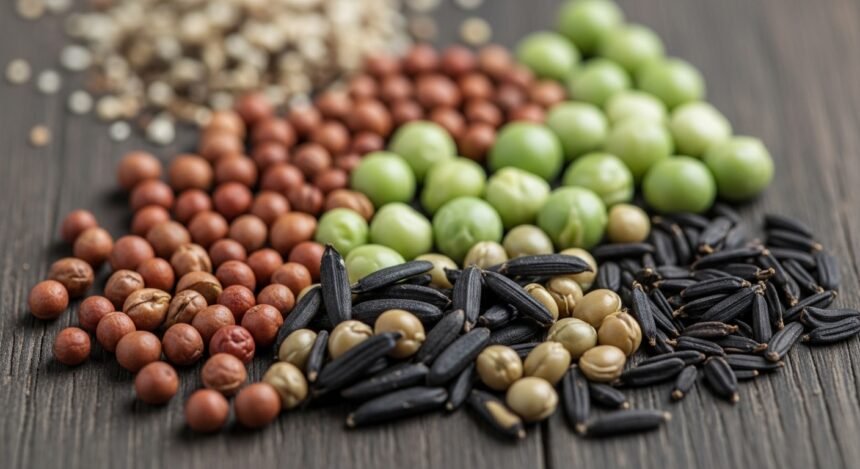
Adding fresh greens to your diet is a wonderful way to boost your overall health. Microgreens have recently surged in popularity, offering a concentrated burst of flavour and nutrition.
Whether you are an experienced gardener or a complete novice, growing these tiny plants is surprisingly simple. You just need a little space, some water, and the right microgreens seeds.
In this guide, we will explore everything from selecting the perfect varieties to mastering the growing process. We will help you transform your windowsill into a thriving, miniature garden.
What Are Microgreens Seeds?
Microgreens seeds are simply the untreated seeds of standard vegetables and herbs. They are harvested just after the first set of true leaves, known as cotyledon leaves, have fully developed.
Many people wonder about the difference between sprouting and microgreens seeds. While sprouts are grown entirely in water and eaten whole, microgreens are grown in a medium and cut above the root. You can learn more about the former in our step-by-step sprouting guide.
Because you eat the delicate stems and leaves, they offer an incredible nutritional profile of microgreens. They are packed with vital vitamins, minerals, and beneficial plant compounds.
Choosing the Right Seeds for Your Space
Selecting the right variety is the very first step to a successful home harvest. If you are new to this hobby, finding the best microgreens seeds for beginners is absolutely essential.
Radish, broccoli, and peas are excellent choices because they germinate quickly and reliably. In fact, if you want quick results, radish is widely considered one of the fastest growing microgreens seeds available.
For those who enjoy a peppery kick in their meals, spicy radish microgreens seeds add fantastic flavour to salads and sandwiches. You can explore more radish varieties for your kitchen to find your favourite flavour profile.
Sourcing High-Quality Seeds
It is always best to purchase seeds that are specifically labelled for microgreen cultivation. These are usually rigorously tested for pathogens, ensuring they are entirely safe to eat raw.
Many health-conscious home growers prefer to use organic microgreens seeds uk to avoid synthetic pesticides and chemicals. You can browse our top picks for organic seeds to get started on the right foot.
If you are wondering where to buy microgreens seeds online, look for reputable suppliers who guarantee high germination rates. For those planning to grow crops frequently, finding cheap microgreens seeds bulk is a brilliant way to save money. We also highly recommend checking out our comprehensive guide on bulk buying gardening supplies.
Essential Growing Equipment
You do not need an expensive or complicated setup to grow these nutritious greens. A shallow tray, a suitable growing medium, and a reliable water source are the basic requirements.
To help reduce household plastic waste, we highly recommend using sustainable microgreens seed trays. You can find excellent, durable options in our curated list of eco-friendly gardening products.
When it comes to the medium, you have several choices. You can use traditional potting soil or learn how to grow microgreens without soil using coconut coir or natural hemp mats. Discover more about hydroponic growing setups if you prefer a clean, soil-free approach.
The Growing Process
Once you have your seeds and trays prepared, it is time to begin sowing. Spread the seeds evenly and densely across your chosen medium. If you are unsure which base to use, read our advice on choosing the right growing medium.
After sowing, understanding the best lighting for indoor microgreens is crucial for developing healthy, vibrant leaves. Good light prevents the delicate stems from becoming weak, pale, and leggy. Read this indoor gardening lighting research for scientific insights into proper plant illumination.
Growing sunflower microgreens at home is particularly rewarding, as they produce thick, delightfully crunchy shoots. They also boast impressive sunflower seed nutritional data, making them a remarkably healthy snack. Always remember to follow the Royal Horticultural Society guidelines on seed sowing for the best possible results.
Preventing Common Issues
The dense, humid growing conditions of these plants can sometimes lead to frustrating fungal issues. Preventing mould on microgreens seeds is often the biggest challenge for enthusiastic home growers.
Ensuring adequate airflow and strictly avoiding overwatering are the key preventative measures. You should also learn how to sanitise your seed trays thoroughly between each crop. For more detailed, expert advice, read about how to prevent damping off disease.
If you encounter further issues, our guide on troubleshooting common plant diseases can help you identify and solve them quickly. Following Food Standards Agency food safety tips will also ensure your home-grown produce remains perfectly safe to consume.
Harvesting and Storage
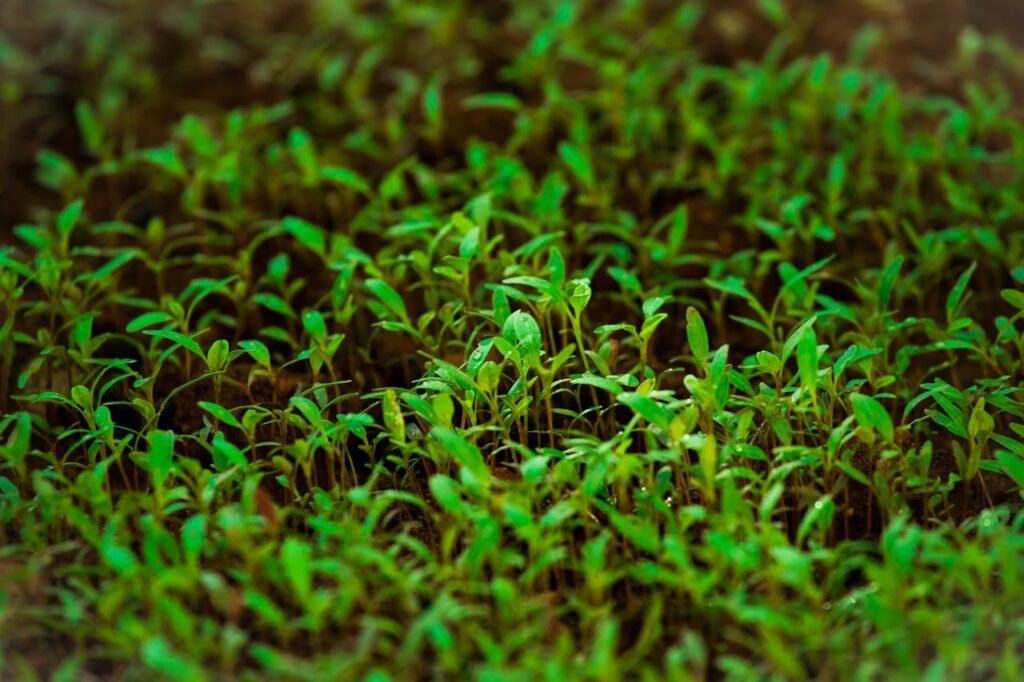
Most common varieties are ready to harvest in just one to three short weeks. Harvesting microgreens for maximum yield involves cleanly cutting them just above the soil line with sharp scissors.
Having the best tools for harvesting greens will make this delicate process much smoother. Once harvested, store them in an airtight container in the fridge to maintain their satisfying crispness.
If you have leftover packets, storing microgreens seeds long term in a cool, dark, and dry place will preserve their viability. Check out our helpful tips on how to store seeds correctly. You can also learn about understanding plant germination times to plan your next crop efficiently.
Health Benefits of Microgreens
Incorporating these tiny plants into your daily meals is an incredibly easy way to follow NHS advice on eating more vegetables. They are exceptionally nutrient-dense, often containing higher vitamin levels than their mature counterparts.
The health benefits of broccoli microgreens are particularly well-documented in scientific literature. A fascinating study on broccoli sprouts and sulforaphane highlights their potent, natural health-promoting properties.
Furthermore, they are excellent, natural sources of daily vitamins. For instance, the vitamin C content in leafy greens helps significantly support a healthy immune system. They also provide the essential benefits of dietary fibre, which aids in comfortable digestion.
Incorporating Microgreens Into Your Diet
These versatile, colourful greens can be added to almost any savoury dish. They make beautiful, highly nutritious garnishes for warm soups, sandwiches, and fresh salads.
To maximise their nutritional value, it is generally best to eat them fresh. The benefits of eating raw vegetables include preserving heat-sensitive nutrients and fragile plant enzymes. They also provide a rich source of antioxidants and human health benefits that protect your cells.
If you need a little culinary inspiration, explore our favourite recipes using fresh microgreens.
Sustainable Gardening at Home
Growing your own food, even on a very small scale, is a wonderful step towards everyday sustainability. It actively reduces the carbon footprint associated with transporting commercially packaged greens.
By adopting sustainable gardening practices, you can gently nurture your health and the planet simultaneously. You can even safely recycle your used soil and roots by composting plant material.
This closed-loop system perfectly aligns with modern efforts aimed at reducing food waste at home. If you want to dive deeper into home cultivation, our complete guide to indoor gardening is a fantastic place to start. You might also enjoy browsing our beginner-friendly plant kits to make the growing journey even easier.