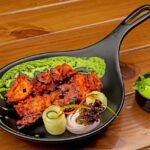
Mini Tandoori: How to Master This Compact Kitchen Essential for Healthy, Flavour-Packed Meals
If you love the smoky, charred depth of authentic Indian cuisine but lack the space for a massive backyard pit, the Mini tandoori might be your new favourite kitchen companion. Traditionally, tandoors are large, cylindrical clay ovens used for baking flatbreads and roasting meats at blistering temperatures. However, modern innovation has shrunk this powerhouse into a portable, countertop-friendly version that brings traditional flavours right into your home.
In this guide, we explore how to utilise a Mini tandoori to create protein-rich snacks and meals that align with a balanced diet. Whether you are a fan of Indian street food or looking for new healthy cooking methods, these compact ovens offer a unique way to enhance your culinary repertoire.
Why Choose a Mini Tandoori?
The appeal of the Mini tandoori lies in its efficiency and the specific clay pot cooking environment it creates. Unlike a standard oven, which relies on convection, a tandoor uses a combination of radiant heat, convection, and smoking. This high-heat cooking method seals in juices instantly, resulting in tender meat and crisp vegetables.
For those mindful of their heart health, using a tandoor is often superior to frying. Research from the British Heart Foundation suggests that grilling or roasting on a rack allows excess fat to drip away, reducing overall calorie intake. This makes it an excellent choice for managing cholesterol levels.
Key Benefits of Compact Tandoors
- Space Efficiency: Perfect for flats or smaller kitchens where a full-sized unit is impractical.
- Speed: Reaches high temperatures faster than traditional stone ovens.
- Flavour Profile: Retains the authentic “smoky” taste that defines tandoori dishes.
- Versatility: Ideal for vegetarian options like paneer tikka or roasted cauliflower.
Comparing Traditional Tandoors vs. Mini Tandoori Units
Before purchasing your first unit, it is helpful to understand how these smaller models compare to their industrial counterparts found in professional restaurants.
| Feature | Traditional Tandoor | Mini Tandoori Oven |
|---|---|---|
| Heat Source | Charcoal or Wood | Electric or Gas-assisted |
| Portability | Stationary / Very Heavy | Highly Portable / Tabletop |
| Heat-up Time | 2 – 4 Hours | 20 – 40 Minutes |
| Best For | Large Scale Catering | Home cooking and Small Parties |
Health Benefits of Tandoori Cooking
Many people associate Indian street food with heavy oils, but Mini tandoori cooking is inherently healthy. Because the intense heat cooks food quickly, there is less need for added fats. According to the Mayo Clinic, roasting and grilling are among the best ways to preserve nutrients while minimising added calories.
Furthermore, the authentic spices used in tandoori marinades—such as turmeric, ginger, and garlic—carry significant health benefits. Turmeric, for instance, contains curcumin, which has been studied by Nature for its anti-inflammatory properties. Integrating these spices into your marination tips can boost both the flavour and the nutritional profile of your meal.
Safety First: Maintaining Your Oven
When using high-heat appliances, food safety is paramount. Ensure your Mini tandoori is placed on a heat-resistant surface and is well-ventilated. The Food Standards Agency emphasizes the importance of ensuring poultry is cooked through to a safe internal temperature to prevent foodborne illnesses.
Essential Marination Tips for Success
The secret to perfect tandoori chicken skewers or vegetables lies in the marinade. A yoghurt-based marinade acts as a tenderiser, thanks to the lactic acid. This process is essential for maintaining moisture in a high-heat clay oven environment.
- Choose Low-Fat Yoghurt: To keep it heart-healthy, use Greek or plain low-fat yoghurt. This provides a thick base for spices to adhere to.
- Acid Balance: Use lemon juice or vinegar to break down tough fibres in meats.
- Resting Time: For traditional flavours to truly penetrate, marinate your protein for at least 4 hours, or overnight in the fridge.
- Avoid Artificial Colours: Instead of red food dye, use beetroot juice or Kashmiri chilli powder to achieve that signature vibrant hue.
For those managing specific conditions like diabetes, tandoori dishes are often a safe bet. Diabetes UK recommends tandoori-style meats as a healthier alternative to creamy curries like korma or masala.
Innovative Grilling Techniques for the Modern Home
A Mini tandoori isn’t just for meat. Modern grilling techniques allow you to experiment with a variety of textures. Consider roasting fruits like pineapple or peaches for a dessert that is low in refined sugar. Using the high heat of the clay pot cooking method caramelises the natural sugars without the need for syrups.
If you are planning a BBQ party, the portable nature of these ovens allows you to socialise while cooking. You can set it up in a well-ventilated outdoor space, providing a theatrical and aromatic experience for your guests. To ensure your appliance meets safety standards, check for certifications like those highlighted by Choice or similar consumer safety organisations.
Managing Heat and Texture
Since a Mini tandoori can reach temperatures far exceeding a standard domestic oven, monitoring is key. Research into the science of heat published in ScienceDirect suggests that the thermal conductivity of clay helps distribute heat evenly, but you must still rotate skewers frequently to avoid burning. Use a meat thermometer to ensure precision.
Frequently Asked Questions (FAQs)
Is a Mini tandoori difficult to clean?
Most modern units feature a removable inner lining or are made of stainless steel with a clay insert. It is important to wait for the unit to cool completely before wiping it down with a damp cloth. Avoid using harsh chemicals on the clay as it can absorb the scent and affect future home cooking sessions.
Can I use it indoors?
Many electric versions are specifically designed for indoor use. However, gas or charcoal-powered models must be used outdoors or in extremely well-ventilated areas to avoid carbon monoxide buildup. Always refer to Public Health Scotland’s guidelines on indoor air safety.
What are some good vegetarian options for a tandoor?
Beyond the classic paneer, you can grill broccoli florets, mushrooms, and even halloumi. The BBC Good Food website offers several creative vegetarian tandoori recipes that utilise authentic spices to create satisfying, plant-based meals.
Is tandoori food good for weight loss?
Yes, when prepared correctly. Because it relies on high heat rather than deep-frying in oil, it is a lower-calorie alternative to many other cuisines. It is also high in protein, which the Healthline experts note can help with satiety and muscle maintenance. For more on liver health and diet, see the British Liver Trust.
Where can I find international guidelines on diet?
The World Health Organization (WHO) provides global standards for healthy eating that encourage the consumption of lean proteins and vegetables—both of which are central to tandoori-style cooking.