If you have recently scrolled through social media wellness circles, you may have encountered an unusual trend: people sleeping with tape over their mouths. While it might look like a hostage situation or a bizarre beauty fad, the practice of using mouth tape is grounded in the physiological science of respiration.
Proponents claim that taping your mouth shut at night encourages nasal breathing, leading to deeper sleep, better dental health, and increased energy. But does it work, and more importantly, is it safe?
This article explores the mechanics of mouth tape, the critical differences between [nasal breathing vs mouth breathing], and how this simple tool might transform your nightly rest.
Overview: Why tape your mouth?
The premise is deceptively simple: humans are designed to breathe through their noses, not their mouths. However, due to congestion, anatomical issues, or learned habits, many of us default to mouth breathing once we fall asleep.
This nocturnal switch can lead to a host of issues, ranging from snoring and bad breath to fragmented sleep cycles. Mouth tape acts as a gentle physical reminder—a training wheel for your respiratory system—to keep the lips sealed and force the air through the nasal passages. This practice is often associated with the [Buteyko breathing technique], a therapeutic method developed to correct breathing patterns and improve oxygen delivery to tissues.
The problem with mouth breathing
To understand the benefits of taping, we must first look at why mouth breathing is problematic. When you breathe through your mouth, you bypass the body’s natural filtration system.
1. Loss of Nitric Oxide
Your nose is not just an air intake valve; it is a complex processing plant. The paranasal sinuses produce a molecule called nitric oxide (NO). When you inhale through your nose, this gas is carried into the lungs.
Research indicates that nitric oxide production is crucial for vasodilation (widening of blood vessels), which helps lower blood pressure and improves oxygen absorption efficiency. Mouth breathers miss out on this vital benefit almost entirely.
2. Dental Health and the Oral Microbiome
Sleeping with an open mouth causes saliva to evaporate, leading to [dry mouth at night]. Saliva is the mouth’s primary defence against bacteria; without it, the pH level of your oral cavity drops, becoming acidic.
This disruption in the oral microbiome balance creates a breeding ground for harmful bacteria, significantly increasing [gum disease risk] and the likelihood of cavities. If you are already concerned about oral hygiene, you might want to read about Why using a tongue scraper should be part of your oral hygiene routine to further combat bacterial build-up.
3. Structural Changes and Sleep Quality
Chronic mouth breathing can alter [jaw alignment during sleep], forcing the tongue to sit low in the mouth rather than resting against the roof of the palate. This position can obstruct the airway, contributing to snoring and mild obstructive sleep apnoea.
Benefits of using mouth tape
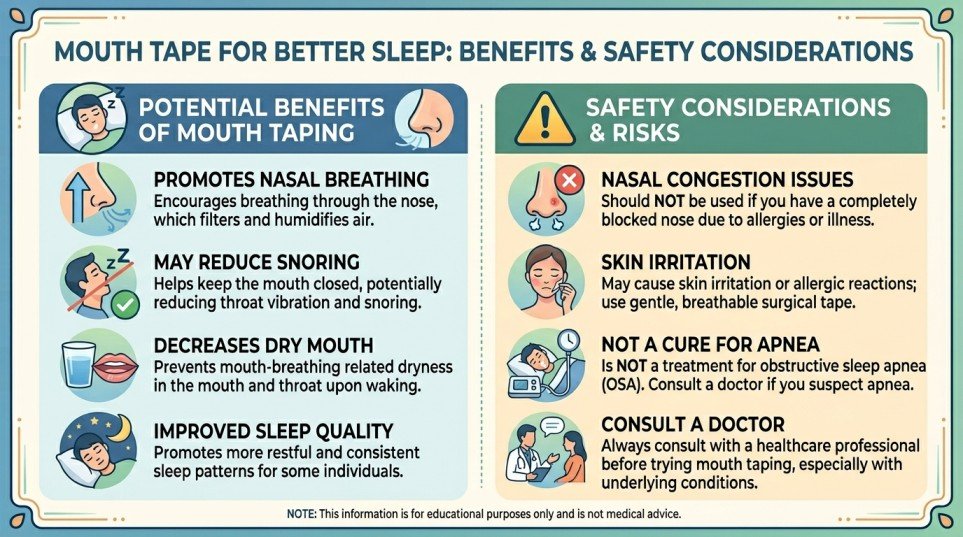
Switching to nasal breathing via mouth tape can have profound effects on your overall health.
Enhanced Sleep Quality
Nasal breathing activates the parasympathetic nervous system—the “rest and digest” mode—which is essential for deep, restorative sleep. Conversely, mouth breathing often triggers a sympathetic “fight or flight” response, keeping your body in a state of low-level stress. By ensuring nasal respiration, you may find that mouth tape helps alleviate [morning brain fog] and leaves you feeling more refreshed.
For those looking to optimise their rest further, combining taping with other environmental changes can be effective. Consider exploring Grounding sheets: The science behind earthing for physical wellness to see how your physical connection to the environment impacts sleep cycles.
Snoring Reduction
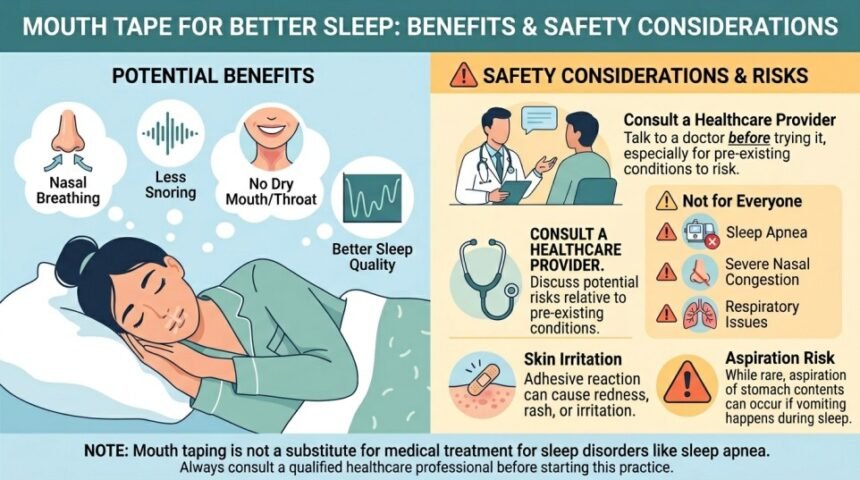
One of the most immediate [mouth taping benefits] is the potential to reduce snoring naturally. While it is not a cure for severe sleep apnoea, it can significantly dampen the vibration of soft tissues caused by open-mouth breathing.
Improved Oral Health
By keeping the mouth closed, you retain moisture. This prevents the dreaded “cotton mouth” feeling and protects your gums and teeth from the ravages of dry air.
Safety Considerations and Risks
While the benefits are compelling, mouth tape is not suitable for everyone.
Do not use mouth tape if:
- You have severe nasal congestion or a deviated septum that completely blocks airflow.
- You have consumed alcohol or sedatives, which may impair your ability to wake up if you struggle to breathe.
- You have severe, untreated sleep apnoea.
If you struggle with nasal congestion, you should address that issue first. You might ask, Can a nasal dilator improve your breathing and deep sleep quality?, or consider saline irrigation. Learning How to safely use a neti pot for sinus relief and congestion can be a game-changer for clearing the nasal passages before applying tape.
How to use mouth tape safely
If you decide to try this, safety is paramount. Do not use duct tape, electrical tape, or heavy-duty adhesives. These can damage the sensitive skin of the lips and cause irritation.
Step 1: Choose the Right Tape
Look for [hypoallergenic adhesive strips] designed specifically for skin contact. Surgical tape or micropore tape is widely available at pharmacies. Proper micropore tape usage involves using a small piece that can be easily removed. Some specialized brands offer tapes with a small vent in the middle for safety.
Step 2: Prepare Your Skin
Ensure your lips and the surrounding area are clean and dry. Oils or moisturisers will prevent the tape from sticking.
Step 3: Application techniques
You do not need to seal your mouth shut like a sealed envelope.
- Vertical Method: Place a small strip vertically across the centre of your lips. This encourages them to stay closed but leaves the corners open.
- Horizontal Method: Place a strip across the length of the lips for a more secure seal.
If you feel anxiety about taping your mouth, start by wearing it for 10 minutes during the day while reading or watching TV to acclimatise. Speaking of anxiety, stress can be a major sleep disruptor. You might find it helpful to read A guide to ear seeds: Do they really help with stress and anxiety? for alternative relaxation methods.
Integrative Sleep Hygiene Hacks
Mouth tape is just one tool in the toolkit. For the best results, it should be part of a broader set of sleep hygiene hacks.
Supplementation for Sleep
Internal regulation is just as important as external aids. Magnesium is a popular supplement for relaxation. If you are curious about topical applications, check out Does magnesium spray help with muscle recovery and better sleep?. Additionally, ensuring you have the right nutrient balance is key; learning about The nutritional benefits of beef liver pills: A comprehensive overview might provide insight into energy and recovery regulation.
Managing Physical Tension
Often, poor sleep position and tension in the neck contribute to airway obstruction. Before bed, ensure your physical alignment is supported. You might benefit from Relieving neck tension with a neck cloud: What you need to know. Relaxation rituals, such as How a scalp massager can promote hair health and daily relaxation, can also signal to the body that it is time to wind down.
Environmental Factors
Finally, circadian rhythm regulation is heavily influenced by light. Blue light from screens can inhibit melatonin. Consider reading Do blue light stickers actually protect your eyes from digital strain? to protect your sleep onset.
The Bottom Line
Mouth tape is a low-cost, low-risk intervention that addresses the root cause of many sleep and oral health issues: open-mouth breathing. By encouraging nasal respiration, you tap into the body’s natural filtration and oxygenation systems.
While it may feel strange at first, the potential for better sleep, reduced snoring, and improved dental hygiene makes it worth a try for most healthy adults. However, always listen to your body. If you have chronic sinus issues or sleep disorders, consult a healthcare professional—such as those at the Mayo Clinic or Stanford Medicine—before sealing your lips at night.
Ultimately, the goal is to wake up feeling restored, hydrated, and ready to face the day. If a small piece of tape can help achieve that, it might just be the smartest sleep hack available.