In recent years, the wellness world has been buzzing about functional mushrooms. From trendy coffee shops in London to health food stores across the UK, these fungi are everywhere. But as a parent, you might be wondering: is mushroom powder for kids safe? Can these ancient remedies truly support your child’s immunity, focus, and sleep?
The short answer is that many functional mushrooms offer incredible potential for children. However, navigating the world of supplements requires care and knowledge. This guide will explore everything you need to know about functional mushrooms for children, ensuring you can make informed decisions for your family’s health.
Understanding Functional Mushrooms: More Than Just Food
When we talk about mushroom powder, we are not referring to the button mushrooms you slice into a Sunday fry-up. We are discussing medicinal or ‘functional’ mushrooms. These varieties have been used for centuries in traditional medicine, particularly in Asia.
Functional mushrooms are often classified as adaptogens. Adaptogens are natural substances that help the body manage stress and return to balance. For a growing child, whose body is constantly developing and facing new challenges (from school germs to exam stress), these properties can be incredibly beneficial.
Is Mushroom Powder Safe for Kids?
Safety is naturally the primary concern for any parent. generally, is mushroom powder safe for children? For most healthy children, the answer is yes, provided you choose the right types and dosages.
Unlike wild foraging, which carries risks, commercially available mushroom powders are produced in controlled environments. However, children’s digestive systems and immune responses differ from adults.
> Note: Always consult a paediatrician or a qualified healthcare provider before introducing new supplements to your child’s diet, especially if they have underlying health conditions or take medication.
It is also vital to rule out fungal allergies. If your child is allergic to culinary mushrooms or mould, they should likely avoid medicinal mushroom products.
Top Functional Mushrooms for Children and Their Benefits
Not all mushrooms do the same thing. Here are the most researched varieties suitable for young ones, along with their specific benefits.
Lion’s Mane: The Brain Booster
Lion’s Mane (Hericium erinaceus) is perhaps the most famous mushroom for cognitive health. It contains compounds that stimulate the production of Nerve Growth Factor (NGF). This is crucial for the development and maintenance of neurons.
For school-aged children, Lion’s Mane benefits for toddlers* and older kids include improved concentration and memory. It is often described as a *natural focus supplement for students. If your child struggles with homework distractions or ‘brain fog’, Lion’s Mane could be a gentle, natural support.
* Key Benefit: Supports memory, focus, and nerve health.
* Read More: Lion’s Mane and Cognitive Vitality
Reishi: The Bedtime Best Friend
Sleep is the foundation of a happy child. Reishi (Ganoderma lucidum) is known as the ‘Queen of Mushrooms’ and is revered for its calming properties. Unlike sedatives, Reishi works to regulate the body’s stress response.
Using Reishi mushroom for child sleep routines can help settle an overactive mind before bed. It does not make them drowsy in the way antihistamines might; rather, it promotes a state of relaxation.
* Key Benefit: Promotes relaxation, better sleep quality, and stress reduction.
* Read More: Reishi Mushroom Benefits
Turkey Tail: The Immune Defender
Nurseries and schools are breeding grounds for bugs. Turkey Tail for kids immunity is a popular choice for parents looking to bolster their child’s natural defences. This mushroom is packed with polysaccharopeptides (PSP and PSK), which are powerful immune modulators.
Furthermore, Turkey Tail is an excellent prebiotic. It feeds the good bacteria in the gut, which is where a significant portion of the immune system resides. A healthy gut often means a healthy child.
* Key Benefit: Immune system modulation and gut health.
* Read More: Turkey Tail and Immune Support
Chaga: The Antioxidant Powerhouse
Oxidative stress affects children too, especially those exposed to pollution or poor diets. Chaga mushroom for kids health provides a massive dose of antioxidants. In fact, Chaga has one of the highest ORAC (Oxygen Radical Absorbance Capacity) scores of any food.
Think of it as an immune system booster for kids that also protects cells from damage. It usually has a mild, earthy flavour that pairs well with chocolate.
* Key Benefit: High antioxidant protection and inflammation support.
* Read More: Chaga Antioxidant Properties
Mushrooms to Approach with Caution
While most functional mushrooms are gentle, some are potent energy boosters. Cordyceps for young athletes can be beneficial for energy production (ATP) and lung function. However, because Cordyceps can be stimulating, it is often better suited for older teenagers rather than toddlers or young children.
Always start with a very low dose if you choose to use Cordyceps, and monitor your child for any signs of over-stimulation.
* Read More: Cordyceps Risks and Benefits
Creative Ways to Serve Mushroom Powder to Picky Eaters
Let’s be honest: handing a child a capsule is rarely fun. The beauty of powders is their versatility. Here are some strategies for medicinal mushrooms for picky eaters:
- Mushroom Hot Chocolate:* This is the easiest win. The earthy taste of Reishi or Chaga blends perfectly with cacao. A *mushroom hot chocolate for children is a comforting bedtime treat.
- Superfood Smoothies:* Add a half-teaspoon of *organic mushroom blend for family use into a berry or banana smoothie. The fruit masking flavour works wonders.
- Baking:* You can hide *mushroom powder for kids in pancakes, muffins, or energy balls. They will never know it is there.
- Porridge and Oatmeal: Stirring a small amount into warm porridge adds a nutrient boost without altering the texture.
* Resource: Nutritional Data on Mushrooms
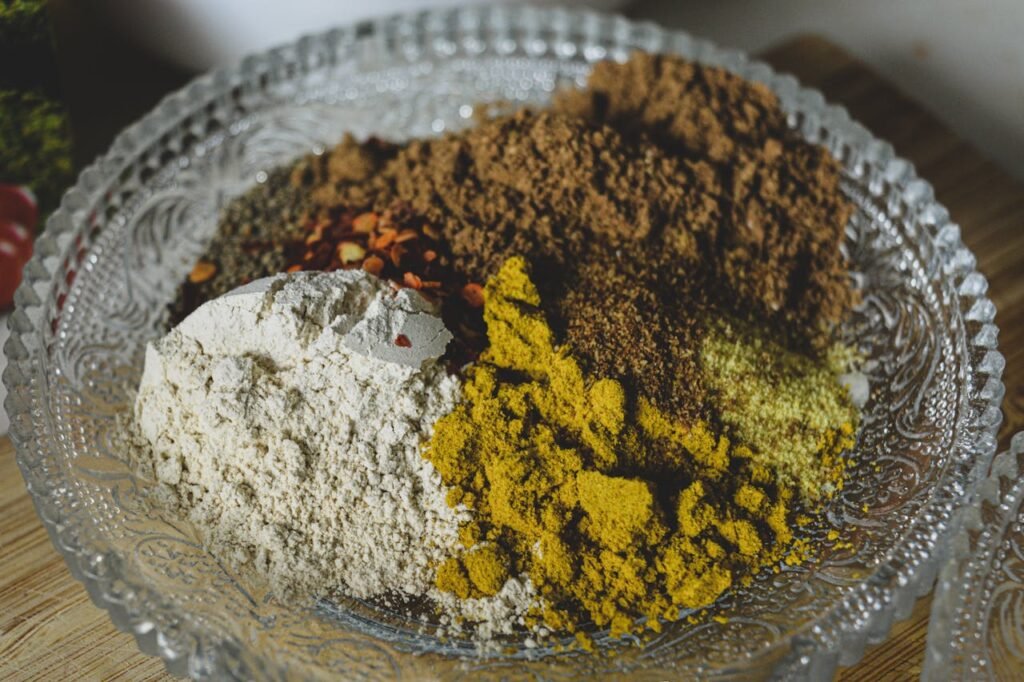
Choosing the Best Mushroom Supplements for Children in the UK
Not all supplements are created equal. The market is flooded with cheap imports. To find the best mushroom supplements for kids UK, look for these criteria:
* Fruiting Body vs. Mycelium: Always choose products made from the ‘fruiting body’ (the actual mushroom). Mycelium-based products are often grown on grain and may contain high levels of starch filler rather than active compounds.
* Organic Certification: Mushrooms are bio-accumulators, meaning they absorb toxins from their environment. Organic certification ensures they are free from pesticides and heavy metals.
* Beta-Glucan Content: The label should state the percentage of beta-glucans. This is the active compound responsible for immune benefits.
* Third-Party Testing: reputable brands will have their products tested by independent labs for purity.
* Read More: Functional Mushrooms Guide
Dosage and Guidelines
Determining the right mushroom powder dosage for children can be tricky as there is no official standard. A general rule of thumb is to start small.
* Ages 3-5: Start with 1/4 of the recommended adult dose.
* Ages 6-12: Use 1/2 of the adult dose.
* Teens: Can typically tolerate the full adult dose.
Consistency is key. These are not quick fixes; they build up in the system over time.
Summary
Incorporating mushrooms like Lion’s Mane, Reishi, and Turkey Tail into your child’s diet can be a game-changer for their wellbeing. From acting as a natural focus supplement for students to helping a restless toddler sleep, nature provides powerful tools. By choosing high-quality, organic powders and introducing them creatively, you can support your child’s health naturally and effectively.
Frequently Asked Questions
1. At what age can I start giving my child mushroom powder?
Most experts suggest waiting until a child is at least 3 years old before introducing functional mushroom supplements. Their digestive systems are more developed by this age. Always consult your GP or paediatrician first.
2. Can my child take mushroom powder every day?
Yes, functional mushrooms are adaptogens, which generally work best when taken consistently over time. However, it is good practice to take breaks, such as using them on weekdays and resting on weekends.
3. Will mushroom powder make my child hallucinate?
Absolutely not. Functional mushrooms like Reishi, Lion’s Mane, and Turkey Tail are completely non-psychoactive. They do not contain psilocybin, the compound found in ‘magic mushrooms’.
4. What is the best mushroom for a child with ADHD?
While not a cure, Lion’s Mane is frequently recommended for children with attention difficulties due to its ability to support nerve growth and cognitive function. Read more about Lion’s Mane and ADHD potential here.
5. Can I cook with mushroom powder without losing nutrients?
Yes, the cell walls of mushrooms (chitin) are tough and actually need heat to break down and release the beneficial compounds. Baking or adding powders to hot liquids like soups or hot chocolate is an excellent way to consume them.