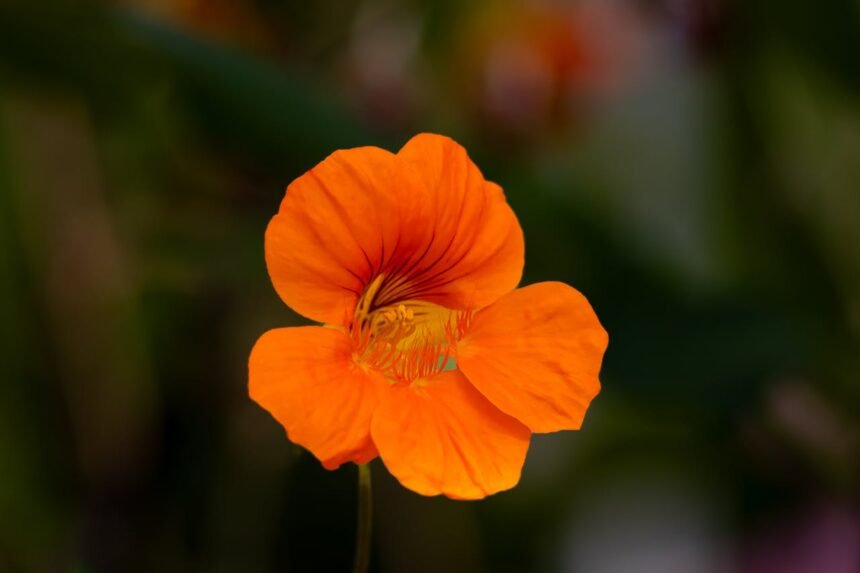
Nasturtium flowers are a brilliant addition to any garden, offering a stunning array of warm colours. These cheerful blooms are far more than just a visual treat for your flowerbeds. They are packed with flavour, offer fantastic nutritional value, and serve as brilliant companion plants.
If you are new to cultivating a guide to edible garden flowers, nasturtiums are the perfect place to start. They are resilient, fast-growing, and thrive on very little attention. According to the Royal Horticultural Society (RHS), they are among the easiest annuals to cultivate in the UK.
This article explores everything you need to know about these versatile plants. From simple planting techniques to exciting kitchen recipes, you will soon see why nasturtiums deserve a spot in your home.
What Makes Nasturtiums So Special?
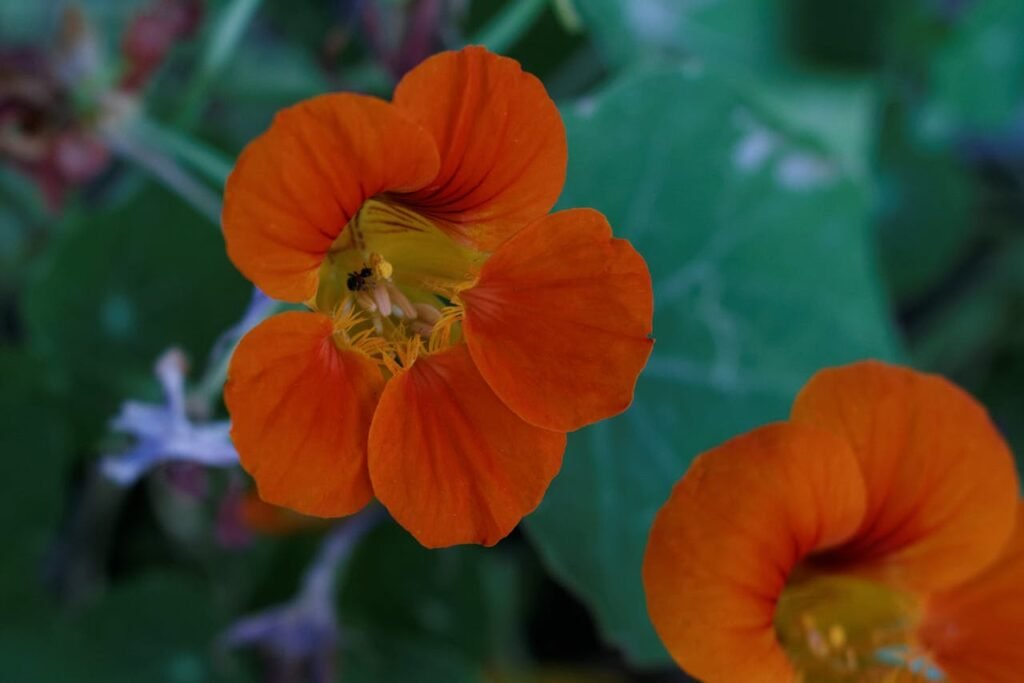
Native to South America, nasturtiums have been naturalised in gardens across the globe. They are widely celebrated for their vibrant, trumpet-shaped blooms and distinct, lily-pad-shaped leaves. Many people are surprised to learn about the edible nasturtium flowers health benefits when planning their gardens.
These plants are incredibly rich in vitamin C and contain powerful antioxidants. If you are interested in medicinal plants you can grow, nasturtiums are a wonderful choice. In fact, the Kew Gardens plant profiles highlight their long history of traditional medicinal use.
Planting and Cultivation
If you are wondering how to grow nasturtiums from seed, the process is incredibly straightforward. The seeds are large and easy to handle, making them a fun project for beginner gardeners. You can begin by starting seeds indoors during early spring, or sow them directly outside once the frost has passed.
For detailed sowing timelines, the Gardeners’ World sowing guide offers excellent month-by-month advice. Interestingly, the best soil for growing nasturtium plants is actually poor, well-draining soil. If the soil is too rich in nutrients, the plant will produce lush green leaves but very few flowers.
Understanding basic soil composition basics will help you create the perfect environment. You should actively avoid using extra fertiliser on these robust plants.
Growing in Containers
You do not need a large garden to enjoy these vibrant blooms. If space is limited, you might consider trailing nasturtium varieties for pots. These types cascade beautifully over the edges of containers, creating a dramatic floral display.
For more advice on small spaces, explore our container gardening tips. Similarly, growing nasturtiums in hanging baskets adds a brilliant splash of colour to patios and balconies. They require very little root space to flourish throughout the summer.
Caring for Your Nasturtiums
Understanding the watering requirements for nasturtium plants is essential for vibrant blooms. They prefer to be watered regularly, but their roots should never sit in waterlogged soil. Implementing water-saving gardening techniques can help maintain the perfect moisture balance.
For further guidance, the RHS watering advice provides excellent tips for summer container care. While these plants are hardy, you may still encounter some common nasturtium growing problems. Overwatering or poor airflow can occasionally lead to fungal issues like powdery mildew.
If you spot unusual spots on your leaves, a plant disease identification tool can help you diagnose the issue quickly.
Protecting Your Garden Naturally
Many gardeners rely on companion planting with nasturtiums to protect their prized vegetables. Nasturtiums act as a fantastic “trap crop,” naturally drawing aphids and cabbage white butterflies away from your brassicas. The Farmers’ Almanac companion planting charts frequently list nasturtiums as a top protective plant.
Using nasturtium pest control in the garden is a highly effective, organic strategy. Instead of using harsh chemicals, you allow the nasturtiums to take the brunt of the pest damage. This method perfectly complements organic vegetable gardening principles.
You can also explore other natural aphid deterrents to keep your greenhouse thriving. For a broader understanding of garden ecosystems, read up on biological pest control.
Culinary Uses and Recipes
There are countless nasturtium flower culinary uses that can elevate your daily meals. The bright petals look stunning scattered over summer salads or pressed into soft cheeses. The BBC Good Food edible flowers guide showcases many creative ways to plate these blooms.
Chefs often praise the peppery taste of nasturtium leaves, which resembles rocket or watercress. This bold flavour adds a wonderful, spicy kick to sandwiches and savoury tarts. Eating leafy greens like this is highly recommended for nutritional benefits of leafy greens.
If you want more inspiration, browse our favourite edible flower recipes.
Creative Kitchen Ideas
For a unique twist on a classic, try making nasturtium pesto at home. Simply blend the spicy leaves with garlic, nuts, hard cheese, and olive oil. This is a brilliant addition to our list of homemade pesto variations.
You can also find fantastic pairing suggestions in the Great British Chefs flavour guide. If you want a substitute for capers, learning how to pickle nasturtium seeds is a great skill.
The plump, green seed pods can be preserved in spiced vinegar to create “poor man’s capers.” Check out our comprehensive guide to pickling vegetables to master this simple preservation technique.
Health and Wellness Benefits
Historically, herbalists have favoured natural remedies using nasturtium extract to fight off seasonal colds. The plant contains high levels of mustard oils, which are believed to have antibacterial and antifungal properties. A recent PubMed study on nasturtium properties supports its traditional use in treating minor respiratory and urinary tract infections.
Because they are packed with nutrients, adding them to your diet is a smart choice. They are a brilliant supplement to other vitamin C rich foods during the colder months. You can also explore how they fit into broader herbal remedies for colds.
As always, consult resources like WebMD herbal supplements before using plants medicinally.
Harvesting and Seed Saving
Picking your flowers regularly encourages the plant to produce even more blooms. When you are harvesting garden herbs and flowers, it is best to pick them in the cool morning air. This ensures the petals and leaves retain their crisp texture and vibrant colour.
Finally, saving nasturtium seeds for next year is a rewarding way to end the gardening season. Simply collect the large, dried seeds that fall to the ground in late autumn. Organisations like the Seed Savers Exchange highly encourage this sustainable practice.
Once collected, store them in a cool, dark place until spring arrives. You can find excellent seed storage solutions to keep them viable for longer. For more detailed drying techniques, refer to the RHS seed collecting guide as you begin preparing your garden for winter.