
Spring and summer are beautiful seasons, but for millions of people in the UK, they bring the misery of hay fever. Sneezing, itchy eyes, and a runny nose can turn a sunny day into an ordeal. While over-the-counter medications are common, many people seek alternatives to avoid side effects like drowsiness. Fortunately, there are numerous natural remedies for seasonal allergies that can help manage symptoms effectively.
In this guide, we will explore holistic approaches to boosting your body’s defences against pollen, dust, and other airborne irritants.
Understanding Seasonal Allergies
Seasonal allergies, commonly known as hay fever or allergic rhinitis, occur when your immune system overreacts to an outdoor allergen, such as pollen. Your body perceives the pollen as a threat and releases histamine, a chemical that causes inflammation and the familiar symptoms of congestion and itching.
Finding hay fever natural relief UK residents trust can be a game-changer for getting through high-pollen days. Let us look at how you can fight back without the pharmacy.
1. Herbal Teas and Supplements
Nature provides a variety of plants that act as natural antihistamines. Incorporating these into your daily routine can help stabilise your immune response.
Stinging Nettle Tea
Stinging nettle is often viewed as a pesky weed, but it is actually a powerhouse for allergy relief. Nettle tea benefits for allergies include its ability to inhibit the body’s production of histamine. It is rich in nutrients and acts as a gentle anti-inflammatory.
* How to use: Drink a cup of dried nettle leaf tea twice a day during allergy season.
Quercetin and Bromelain
Quercetin is a bioflavonoid found in onions, apples, and berries. It helps stabilise the cells that release histamine. Bromelain, an enzyme found in pineapples, improves the absorption of quercetin and reduces swelling in the nose.
> “Quercetin appears to be effective at reducing the inflammatory response in the airways.” — National Library of Medicine
Elderberry Syrup
While often associated with colds and flu, the benefits of elderberry syrup for adults extend to allergy season. Elderberries are packed with antioxidants and vitamin C, which support the immune system. A robust immune system is less likely to panic when it encounters pollen.
2. Dietary Adjustments to Lower Inflammation
What you eat plays a massive role in how your body handles inflammation. Some foods can worsen your symptoms, while others soothe them.
Anti-Inflammatory Foods
Focus on a diet rich in fresh vegetables, healthy fats, and lean proteins. You should actively avoid foods that cause inflammation*, such as processed sugars, refined carbohydrates, and excessive dairy, which can thicken mucus. Instead, verify your *natural antihistamine foods list includes:
* Ginger and Turmeric: Both are potent anti-inflammatories.
* Citrus Fruits: High in Vitamin C.
* Fatty Fish: Rich in Omega-3s.
Local Honey
One of the most debated remedies is the local honey for allergies myth or fact. The theory is that consuming local honey exposes you to small amounts of local pollen, helping your body build a tolerance. While scientific evidence is mixed, many sufferers swear by a daily spoonful of raw, local honey starting a month before hay fever season begins.
For more on diet and health, read about nutrition at NHS Live Well.
3. Nasal Irrigation and Hygiene
Physically removing the pollen from your system is one of the most effective ways to stop symptoms fast.
The Neti Pot
Nasal irrigation involves rinsing your nasal passages with a saline solution. This flushes out allergens and mucus. It is crucial to know how to use a neti pot safely: always use distilled, sterile, or boiled (and cooled) water. Never use tap water directly, as it can contain bacteria.
Mayo Clinic offers excellent guidance on safe nasal rinsing techniques.
Steam Inhalation
If you are feeling congested, steam is your friend. It moisturises dry nasal passages and helps clear mucus. This is arguably the best method for how to relieve sinus pressure naturally.
- Boil water and pour it into a bowl.
- Add a few drops of eucalyptus oil.
- Lean over the bowl with a towel over your head.
- Breathe deeply for 5-10 minutes.
Eucalyptus oil steam inhalation is particularly effective because eucalyptus contains cineole, which may help treat headaches and rhinitis.
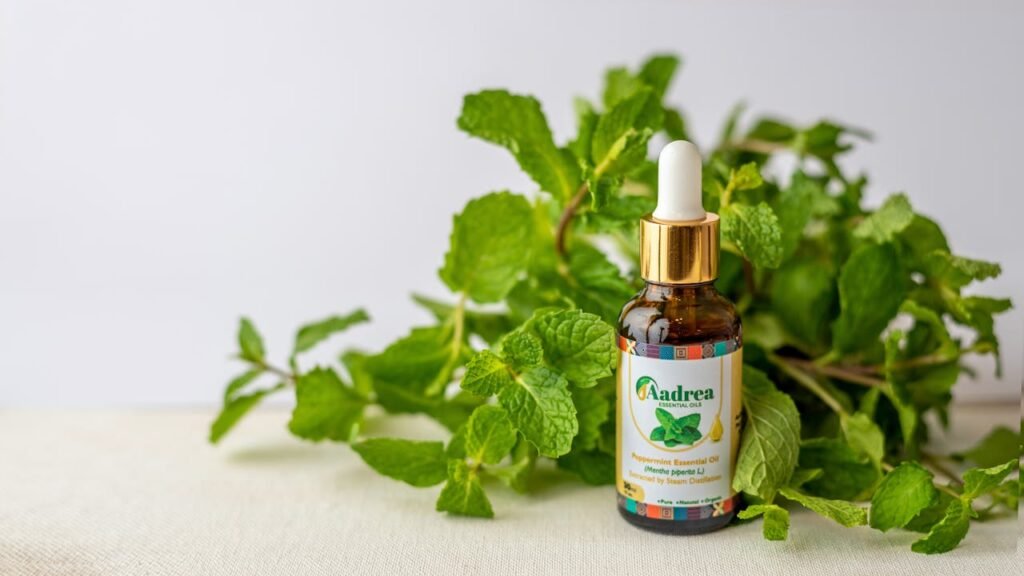
4. Essential Oils for Allergy Relief
Aromatherapy can provide significant relief for congestion and stress caused by constant sneezing. Aside from eucalyptus, here are other essential oils for blocked nose issues:
* Peppermint Oil: Opens the airways and reduces inflammation.
Lavender Oil:** A natural antihistamine that also promotes relaxation. This serves well as one of the *best essential oils for sleep and anxiety, helping you rest when allergies keep you awake.
* Lemon Oil: Supports the lymphatic system and helps overcome respiratory conditions.
Learn more about the safety of essential oils at Johns Hopkins Medicine.
5. Gut Health and Immunity
Did you know that a significant portion of your immune system resides in your gut? A healthy gut microbiome can regulate the immune system effectively, preventing it from overreacting to pollen.
Taking high-quality probiotics or eating fermented foods (like sauerkraut, kimchi, or kefir) can improve your gut health. Some studies suggest that specific strains of probiotics can reduce the severity of hay fever symptoms.
For a deeper dive into gut health, visit Harvard Health Publishing.
6. Lifestyle Hacks to Reduce Pollen Exposure
Sometimes, the best remedy is avoidance. Implementing simple changes in your daily routine can drastically reduce the amount of pollen you breathe in.
* Keep Windows Closed: Keep windows shut during peak pollen times (usually early morning and late afternoon).
Shower Before Bed:** Pollen sticks to your hair and skin. A shower before sleep prevents pollen from transferring to your pillow. You might also explore the *benefits of cold showers in the morning to wake up your system and boost circulation, though a warm shower is better for washing away allergens at night.
* Dry Clothes Indoors: Hanging laundry outside collects pollen. Dry your clothes inside during allergy season.
Wear Sunglasses:** Wraparound sunglasses stop pollen from blowing into your eyes, offering *seasonal allergy home remedies for itchy eyes that are purely mechanical.
Check the daily pollen forecast at the Met Office.
7. Apple Cider Vinegar
Using apple cider vinegar for hay fever is an old folk remedy. It is believed to help break up mucus and support lymphatic drainage. Mix one tablespoon of organic apple cider vinegar with a glass of water and lemon juice. Drink this first thing in the morning.
8. Acupuncture and Physical Therapies
For those seeking alternatives to ingestion, acupuncture for allergic rhinitis has shown promise. Traditional Chinese Medicine views allergies as an energy imbalance. Studies suggest acupuncture can help relieve nasal congestion and reduce the use of antihistamines.
Additionally, learning how to do a lymphatic drainage massage at home can help reduce the puffiness in your face and drain the sinuses. Gently massaging the neck and around the ears can encourage fluid movement.
See what the NCCIH says about complementary health approaches for seasonal allergies.
9. Reducing Stress
Stress raises cortisol levels, which can wreak havoc on your immune system and worsen allergy symptoms. Engaging in relaxation techniques is vital. You might try yoga or meditation. If you suffer from inflammation, drinking turmeric tea for sinus inflammation while practising mindfulness can be a dual-action remedy.
If you struggle with stress-related symptoms, looking into natural ways to lower cortisol levels is highly recommended to keep your histamine response in check.
When to See a Doctor
While natural remedies are fantastic, they are not a cure-all. If your symptoms are severe, interfere with breathing, or cause skin rashes, you should seek medical advice. Sometimes, allergies can trigger asthma attacks.
For comprehensive advice on asthma and allergies, visit Asthma + Lung UK.
Summary
Dealing with seasonal allergies naturally involves a multi-pronged approach: avoiding triggers, improving your diet, and using natural antihistamines. From butterbur extract side effects (which are rare if you choose PA-free brands) to the simplicity of saline rinses, you have many options.
Start with small changes, like incorporating quercetin foods for hay fever* into your meals or using an air purifier to *reduce pollen in home environments. Your body will thank you for the gentle, natural support.
Frequently Asked Questions
1. What is the fastest way to relieve sinus pressure naturally?
Steam inhalation with eucalyptus oil is one of the fastest ways to open nasal passages. Using a warm compress over the nose and forehead can also provide immediate relief.
2. Can local honey really cure my hay fever?
It is not a guaranteed cure. However, many people report relief after consistent use. It acts as a soothing agent for sore throats and coughs, similar to the best tea for sore throat and cough remedies.
3. Are there any side effects to herbal remedies?
Yes. For example, butterbur is effective but can be toxic to the liver if not processed correctly. Always look for “PA-free” labels. Consult a professional before starting new supplements, especially if you are pregnant or on medication. WebMD offers a good overview of supplement safety.
4. How can I allergy-proof my bedroom?
Use hypoallergenic bedding, wash sheets weekly in hot water, keep pets out of the bedroom, and use a HEPA air purifier to trap airborne particles.
5. What foods should I avoid during allergy season?
Avoid foods that can trigger cross-reactivity (Oral Allergy Syndrome), such as melons or bananas if you are allergic to ragweed. Also, reduce dairy, sugar, and alcohol, as these can increase inflammation. See more on food sensitivities at Allergy UK.