
In our fast-paced modern world, feeling ‘stressed out’ has become a normal state of being for many. But when stress becomes chronic, it triggers a constant release of cortisol, often called the “stress hormone”. While cortisol is vital for our survival—acting as the body’s built-in alarm system—having too much of it floating around for too long can wreak havoc on your health.
From disrupted sleep and weight gain to anxiety and digestive issues, high cortisol affects nearly every system in the body. The good news is that you don’t always need medication to find balance. There are numerous natural ways to lower cortisol levels through simple lifestyle changes, nutrition, and mindfulness practices.
Understanding Cortisol and Why Balance Matters
Cortisol is produced by your adrenal glands. In short bursts, it gives you the energy to handle a crisis. However, when you are constantly under pressure, your cortisol levels remain elevated, leading to a state of chronic inflammation and fatigue.
Signs of high cortisol include:
* Unexplained weight gain, particularly around the midsection.
* Sleep disturbances, such as waking up at 3 am.
* Digestive problems, like bloating or IBS.
* Skin issues, including acne or slow healing.
* Anxiety and irritability, potentially leading to panic attacks.
Understanding what does a panic attack feel like*—a racing heart, shortness of breath, and an overwhelming sense of dread—can help you recognise when your body’s stress response has gone into overdrive. Similarly, physical manifestations like hives are common; indeed, *can stress cause hives? Absolutely. High cortisol triggers histamine release, leading to itchy skin rashes.
Nutrition: Eating to Soothe Your System
What you eat plays a massive role in hormone regulation. A diet high in processed sugars and unhealthy fats can spike cortisol, whereas nutrient-dense foods can help lower it.
Anti-Inflammatory Foods
To combat the inflammation caused by stress, focus on a diet rich in whole foods. Avoid foods that cause inflammation, such as sugary snacks, refined carbohydrates, and excessive alcohol. Instead, load up on:
* Fatty fish (salmon, mackerel) for Omega-3s.
* Leafy greens (spinach, kale) for magnesium.
* Fermented foods (sauerkraut, kefir) for gut health.
For those new to healthy eating, a list of alkaline foods for beginners might include cucumbers, avocados, and almonds, which are gentle on the system and support balance.
Gut Health and Digestion
There is a direct link between your gut and your brain, known as the gut-brain axis. Learning how to improve gut health naturally is one of the most effective ways to lower stress hormones.
Probiotics:** Essential for maintaining *signs of a healthy gut microbiome.
Hydration:** Drink plenty of water. You might also explore the *benefits of drinking okra water, which is rich in magnesium and antioxidants that support blood sugar stability.
Apple Cider Vinegar:** Some studies suggest it helps regulate blood sugar. The *best time to drink apple cider vinegar is typically before a meal to improve insulin sensitivity.
Tea:** If you suffer from digestive upset, *does peppermint tea help with bloating? Yes, it relaxes the muscles of the gastrointestinal tract.
Essential Vitamins and Minerals
Nutrient deficiencies can mimic or worsen stress symptoms.
Magnesium:** This is the ultimate “chill pill”. *Symptoms of low magnesium in women often include muscle cramps, fatigue, and heightened anxiety.
Vitamin C:** Your adrenal glands use a lot of Vitamin C during stress. A common question is, *can you take vitamin c on an empty stomach? While generally safe, buffered forms are better if you have a sensitive stomach.
Vitamin K2 and D3:** Ensure you are eating **foods high in vitamin k2** (like hard cheeses and egg yolks) alongside Vitamin D to support bone and heart health, especially if you notice *signs of vitamin d deficiency in skin, such as dullness or slow healing.
Lifestyle Habits for Stress Reduction
Your daily routine dictates your stress levels. Small tweaks can yield massive results.
Sleep Hygiene
Sleep is when your body flushes out cortisol. However, high stress often prevents deep rest. To learn how to increase deep sleep naturally:
- Stick to a schedule: Go to bed and wake up at the same time.
- Create a sanctuary: Keep the room cool and dark.
- Aromatherapy:* The *best essential oils for sleep and anxiety include lavender, bergamot, and chamomile.
- Address physical issues:* If you disrupt your partner’s sleep or your own, look into *how to stop snoring naturally, such as changing your sleeping position or staying hydrated.
Morning Routine
Start your day with intention rather than scrolling through your phone.
Meditation:** A *simple morning meditation for beginners can be as short as five minutes of focused breathing.
Oral Health:** Try Ayurvedic practices. The **benefits of tongue scraping** include removing toxins and bacteria. Follow this with the *benefits of oil pulling with coconut oil to improve oral hygiene and reduce inflammation.
Cold Therapy:** It sounds daunting, but the *benefits of cold showers in the morning include stimulating the vagus nerve, which helps switch off the “fight or flight” response.
Hydration
Dehydration acts as a stressor on the body. Be mindful of signs of dehydration in seniors* and adults alike, such as dry mouth, fatigue, and dizziness. If you feel depleted, knowing *signs you need more electrolytes (like muscle twitching) is crucial. A pinch of sea salt in water or coconut water can help.
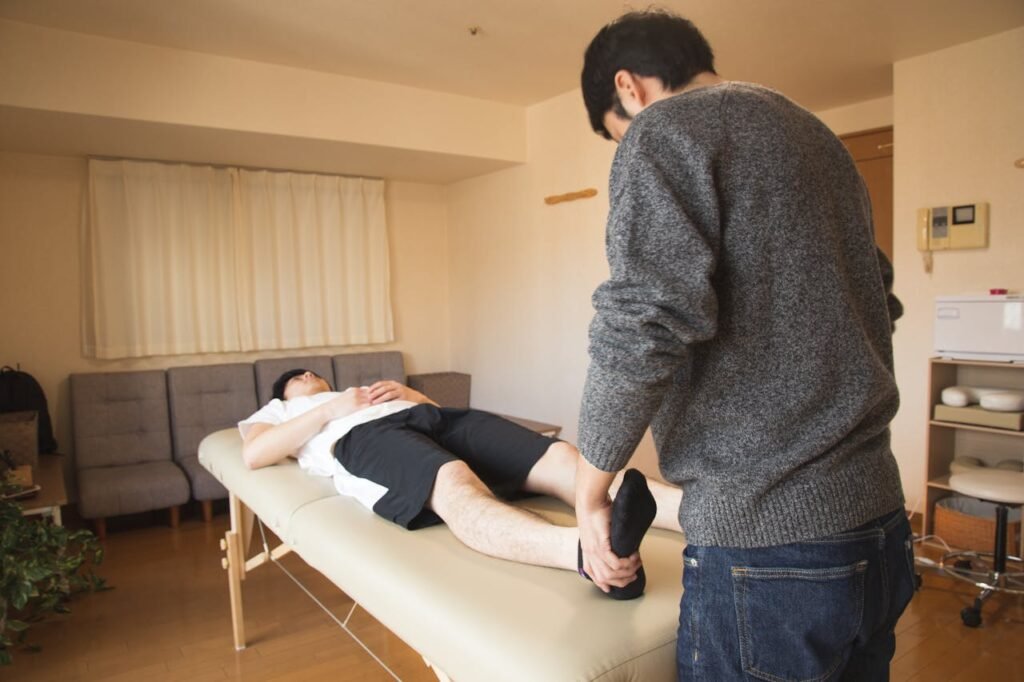
Movement and Physical Therapy
High-intensity exercise can sometimes spike cortisol temporarily. If you are already burnt out, gentler movement is often better.
Low Impact Exercise
Opt for low impact exercises for knee pain and stress relief, such as swimming, walking, or cycling. These activities boost endorphins without placing excessive demand on the adrenals.
Yoga and Stretching
Tension often accumulates in the neck and shoulders.
At Work:** Try simple *stretches for lower back pain at work, such as seated cat-cow or gentle twists.
Neck Pain:** Learning *how to get rid of a stiff neck fast usually involves gentle heat and slow neck rolls.
Posture:** Poor posture constricts breathing, which signals stress to the brain. Learn *how to fix posture while sitting by keeping your feet flat and screen at eye level.
Digestion:** Specific *yoga poses for digestion, like ‘Wind-Relieving Pose’ (Pawanmuktasana), can help soothe a nervous tummy.
Eye Strain
Staring at screens all day causes strain. If you are wondering how to stop eye twitching naturally, the answer often lies in taking regular screen breaks (the 20-20-20 rule) and ensuring you are getting enough magnesium.
Advanced Natural Therapies
For those looking to go a step further, these natural therapies can be incredibly soothing.
Lymphatic Support:** Learning *how to do a lymphatic drainage massage at home can help reduce fluid retention and the “puffy” look associated with high cortisol.
Castor Oil:** The *benefits of castor oil packs applied to the liver area are believed to support detoxification and relaxation.
Skin and Hair:** Chronic stress often shows up in our appearance. The **benefits of black seed oil for skin** include reducing inflammation, while the **benefits of rosemary oil for hair growth** can help counteract stress-induced shedding. Even *home remedies for itchy scalp like aloe vera can soothe stress rashes.
Frequently Asked Questions
1. How quickly can I lower my cortisol levels naturally?
While deep breathing can lower cortisol in minutes, resetting chronic high levels typically takes weeks of consistent lifestyle changes. Mayo Clinic suggests that consistency in sleep and diet is key for long-term results.
2. Does caffeine permanently damage my adrenal glands?
Not permanently, but the side effects of too much caffeine* include spiking cortisol and adrenaline, mimicking anxiety. If you are stressed, switch to herbal alternatives. The *best tea for sore throat and cough, like ginger or liquorice root, is also excellent for adrenal support.
3. Can I take vitamins for brain fog caused by stress?
Yes. Vitamins for brain fog and memory* often include B-Complex (especially B12) and Omega-3 fatty acids. These support neurotransmitter function. Always check for *symptoms of iron deficiency in men and women, as low iron can also cause brain fog.
4. How do I reduce the “cortisol belly” bloating?
To learn how to reduce bloating fast*, avoid inflammatory foods, chew your food thoroughly, and try *foods to avoid with acid reflux (like spicy foods) as they can irritate the gut. Probiotics are also essential.
5. What is the quickest way to lower blood pressure if I am stressed?
Deep, slow breathing is the most effective immediate method. Learning how to lower high blood pressure quickly in a moment of stress involves the 4-7-8 breathing technique. For long-term management, consult the NHS guidelines on diet and exercise.
6. Are there natural remedies for seasonal allergies that worsen stress?
Yes, constant allergies place stress on the body. Natural remedies for seasonal allergies* include local honey, quercetin, and nettle tea. Additionally, the *benefits of elderberry syrup for adults include immune system modulation which may help.
Conclusion
lowering cortisol naturally is not about adding more to your to-do list; it is about stripping back the unnecessary stressors and nourishing your body. By prioritising sleep, eating nutrient-rich foods, and moving your body mindfully, you can switch off the alarm system and return to a state of calm. Remember, small, consistent changes are more sustainable than drastic overhauls.
External Resources:
* Healthline: Natural Ways to Lower Cortisol
* Cleveland Clinic: Magnesium and Stress
* Sleep Foundation: Sleep Hygiene
* Mind UK: How to Manage Stress
* Medical News Today: Benefits of Cold Showers
* Harvard Health: The Gut-Brain Connection
* Nutrition.org: Anti-Inflammatory Diet
* Psychology Today: Mindfulness
* Verywell Mind: Caffeine and Stress
* NIH: Sleep and Cortisol
* NHS: Stress and Anxiety
* WebMD: Elderberry Benefits