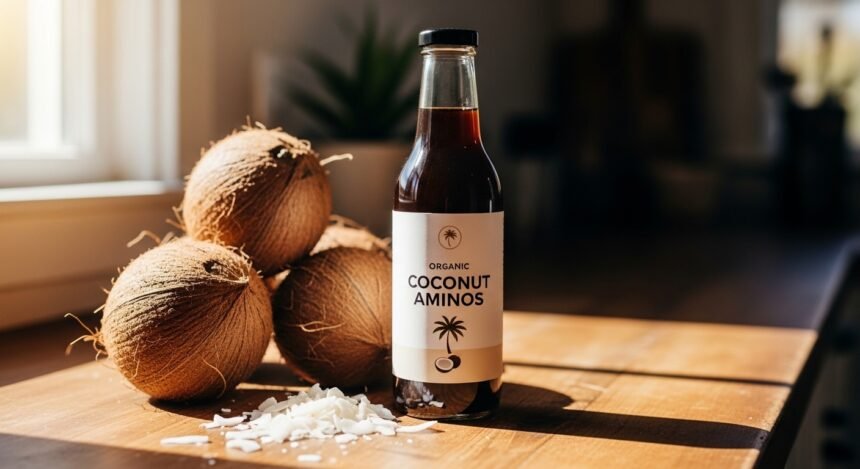
In the world of clean eating and holistic nutrition, few condiments have gained as much traction as organic coconut aminos. This dark, savoury liquid is increasingly found in the pantries of health-conscious cooks around the globe. It is a salty, slightly sweet sauce made from the fermented sap of coconut palms. Despite its name, it does not taste like coconut at all; instead, it offers a rich umami flavour profile that rivals traditional soy-based seasonings.
For those following restrictive diets, such as a Paleo diet, this condiment has become an essential staple. It provides the depth of flavour needed for Asian-inspired dishes without the inflammatory properties of soy or wheat.
When you choose a non-GMO coconut aminos product, you are opting for a seasoning that is minimally processed. It contains no synthetic additives, preservatives, or high-fructose corn syrup, making it a refined sugar-free sauce alternative for daily use.
How Organic Coconut Aminos Are Produced
The journey of organic liquid aminos begins high up in the coconut trees. Farmers tap the blossoms of the coconut palm to collect the nutrient-dense sap, often referred to as coconut blossom nectar.
This raw sap is then mixed with mineral-rich sea salt and allowed to age and ferment naturally. Unlike soy sauce, which requires a complex brewing process involving grains, coconut aminos rely on natural enzymes to develop their signature taste.
According to the WebMD report on coconut sap, the fermentation process preserves many of the vitamins and minerals found in the raw nectar. This ensures that the final product remains a healthy liquid aminos option for those watching their nutrient intake.
Because the sap is naturally high in amino acids, the fermentation simply enhances these building blocks of protein. The result is a plant-based seasoning that is both ethical and sustainable, as tapping the tree for sap does not harm the palm itself.
Nutritional Profile and Comparison
Understanding the nutritional value of your condiments is vital for maintaining a balanced lifestyle. Organic coconut aminos are often praised for their lower salt content compared to traditional alternatives.
While traditional soy sauce can be incredibly high in sodium, low sodium aminos derived from coconut typically contain 60% to 70% less salt. This makes it a preferred choice for individuals monitoring their heart health or blood pressure levels.
The following table provides a general comparison of the nutritional values per one-teaspoon serving of various seasonings:
| Nutrient (per tsp) | Coconut Aminos | Soy Sauce | Tamari |
|---|---|---|---|
| Calories | 5 – 10 | 8 – 10 | 10 |
| Sodium (mg) | 90 – 160 | 280 – 320 | 300 |
| Protein (g) | 0 | 1 | 1 |
| Sugar (g) | 1 – 2 | 0 | 0 |
| Gluten | No | Yes | No |
As seen in the data provided by USDA FoodData Central, the primary benefit of coconut aminos is the significant reduction in sodium. However, it is important to note that it does contain a small amount of natural sugar from the coconut sap.
Top 5 Benefits of Using Organic Coconut Aminos
There are several compelling reasons to make the switch to this gluten-free soy sauce alternative. Beyond the taste, the coco aminos benefits extend to several areas of metabolic and digestive health.
1. Heart-Healthy Sodium Levels
Excessive salt intake is a leading contributor to hypertension and cardiovascular issues. Choosing low sodium aminos can significantly reduce your daily sodium load without sacrificing the savoury taste of your meals.
According to Harvard Health research, reducing sodium intake by even a small amount can have profound effects on long-term heart health. This makes coconut aminos an excellent tool for preventative nutrition.
The World Health Organisation (WHO) recommends a maximum salt intake of 5g per day. Using coconut aminos helps you stay within these guidelines while enjoying flavourful food.
2. A Soy-Free and Gluten-Free Option
Many people suffer from soy allergies or sensitivities, which can cause digestive distress or skin issues. Soy-free sauce options are essential for these individuals to avoid triggers.
Furthermore, since it is naturally grain-free, it is an ideal gluten-free diet companion. Traditional soy sauce almost always contains wheat, which is a major concern for those with celiac disease or gluten intolerance.
Medical experts at Medical News Today note that soy allergies are among the most common food allergies. Having a reliable substitute like coconut aminos allows for safer meal preparation.
3. Low Glycemic Index
Unlike some condiments that use high amounts of white sugar or corn syrup, coconut aminos have a relatively low glycemic index (GI). This means they are less likely to cause a rapid spike in blood glucose levels.
For those managing diabetes or insulin resistance, this is a significant advantage. It allows you to add flavour to your dishes while maintaining better control over your metabolic state.
The natural sweetness comes from the coconut blossom nectar, which is processed by the body more slowly than refined sugars. This makes it a paleo friendly seasoning that aligns with natural human biology.
4. Rich in Essential Amino Acids
As the name suggests, this sauce is a source of essential amino acids. These are the building blocks of protein that our bodies cannot produce on their own.
Studies published in PubMed suggest that fermented coconut sap contains 17 distinct amino acids. These contribute to muscle repair, neurotransmitter function, and immune system strength.
While you would need to consume large amounts to get your full daily requirement, every bit helps in a plant-based seasoning context. It adds a nutritional punch to every drizzle.
5. Supports Gut Health
Because organic coconut aminos are a fermented product, they may contain traces of beneficial enzymes. While not a primary source of probiotics, fermented foods generally support a healthy microbiome.
Research in Nature highlights that fermented liquids can play a role in maintaining gut health. A balanced gut is linked to better mood, clearer skin, and improved digestion.
Avoiding the inflammatory effects of soy and wheat also helps reduce inflammation in the digestive tract. This makes it much gentler on the stomach than processed soy sauces.
How to Use Coconut Aminos in Your Kitchen
The versatility of this coconut seasoning is one of its greatest strengths. It can be used in almost any recipe that calls for soy sauce, though you may need to adjust your salt levels accordingly.
Because it is slightly sweeter and less salty than soy sauce, it creates a wonderful balance in organic condiment recipes. You can use it as a direct 1:1 replacement in most culinary applications.
Common Culinary Applications
- Marinades: Use it as a base for marinating chicken, beef, or tofu to tenderise and add depth.
- Salad Dressings: Whisk it with olive oil, ginger, and lime for a zesty, Asian-style vinaigrette.
- Stir-Fries: Add it at the end of cooking vegetables to preserve the delicate umami flavour profile.
- Dipping Sauce: Serve it alongside sushi or spring rolls as a clean, soy-free alternative.
- Glazes: Simmer it on low heat to create a thick, savoury glaze for roasted salmon or vegetables.
For those on a keto diet, it is one of the best keto-friendly condiments available. Its low carb count per serving fits perfectly into a high-fat, low-carb lifestyle.
If you are trying to achieve weight loss, using lower-calorie, lower-sodium seasonings is a smart strategy. It helps prevent water retention caused by excess salt while keeping your meals satisfying.
Purchasing and Storing Your Aminos
When shopping, always look for the “Organic” and “Non-GMO” certifications on the label. This ensures that the non-GMO coconut aminos you buy are free from synthetic pesticides and genetically modified organisms.
The FDA guidelines on food labelling suggest that checking the ingredient list is the best way to verify purity. A high-quality product should only contain two or three ingredients: coconut sap, sea salt, and sometimes water.
Once opened, it is best to store your bottle in the refrigerator. While the salt and fermentation provide some shelf stability, keeping it cool preserves the delicate flavours for up to six months.
Always check the “best before” date provided by the manufacturer. While it doesn’t spoil quickly, the flavour can become overly sharp or vinegary if kept too long in warm conditions.
Frequently Asked Questions
Does it taste like coconut?
No, it does not have a coconut flavour. The fermentation process transforms the sweet sap into a savoury, salty liquid that tastes very similar to a light soy sauce.
Is it better than liquid aminos?
Liquid aminos are usually made from soybeans and contain more sodium. Coconut aminos are generally considered the healthier choice for those avoiding soy or looking for low sodium aminos.
Can I use it for baking?
While not a traditional baking ingredient, it can be used in savoury breads or crackers to add a hit of umami. It works well in healthy cooking to replace salt in certain doughs.
Does it contain MSG?
Organic coconut aminos are naturally free from added MSG (monosodium glutamate). The umami taste comes from natural glutamates found in the fermented sap, which are processed differently by the body.
Is it safe for children?
Yes, it is generally safe for children. In fact, many parents prefer it because it avoids common allergens like soy and wheat, according to Health Canada recommendations for balanced family nutrition.
How much potassium does it have?
Coconut sap is naturally high in potassium. As noted by the National Institutes of Health (NIH), potassium is vital for nerve function and fluid balance, making this sauce a functional food choice.
Can I find it at most grocery stores?
Yes, it is now widely available. You can usually find it in the health food aisle or the international foods section near the soy sauces and vinegars.
The Bottom Line
Organic coconut aminos represent more than just a trend; they are a versatile, health-promoting alternative to highly processed condiments. By offering a soy-free sauce option that is low in sodium and rich in amino acids, they cater to a variety of dietary needs.
Whether you are managing a soy allergy, following a Paleo lifestyle, or simply trying to reduce your salt intake, this sauce delivers on both nutrition and taste. Its umami flavour profile makes it easy to transition away from traditional soy sauce without feeling deprived.
While it may be slightly more expensive than standard seasonings, the health benefits and clean ingredient list make it a worthwhile investment for your kitchen. Always opt for refined sugar-free sauce varieties to ensure you are getting the purest experience possible.
In conclusion, incorporating healthy liquid aminos into your cooking is a simple yet effective way to upgrade your diet. Experiment with it in your next stir-fry or marinade and enjoy the rich, complex flavours of the coconut palm.
For more advice on improving your diet, consider exploring sugar alternatives or learning more about the science of umami taste and how it affects satiety.