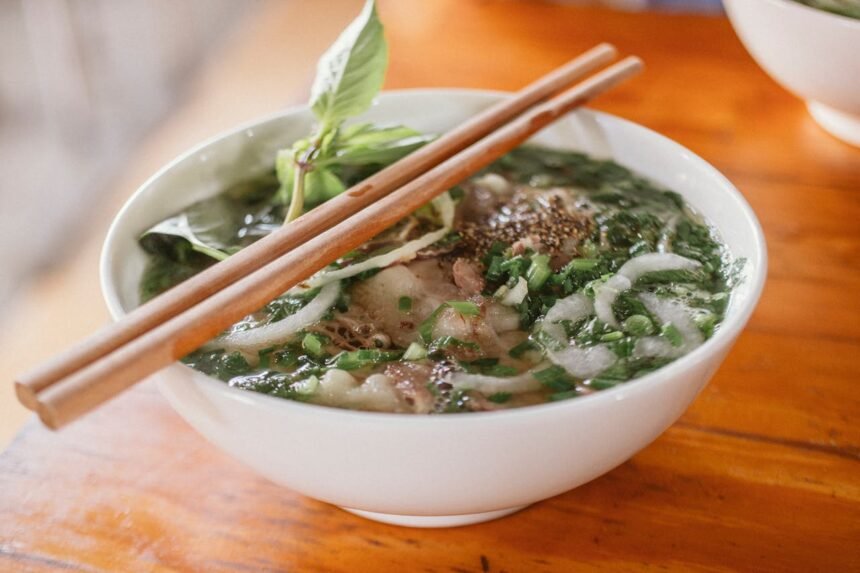
When it comes to the pinnacle of Vietnamese comfort food, few dishes can rival the depth and soul-soothing qualities of a traditional Oxtail Pho Recipe. Unlike standard beef pho, using oxtail introduces an incredible level of umami-rich soup and a silky mouthfeel, thanks to the high gelatin content found in the bone and connective tissue.
Whether you are looking to support joint health with collagen-rich oxtail or simply want a bowl of warmth on a rainy afternoon, this guide will walk you through the process of creating a restaurant-quality broth at home. We will explore the nutritional benefits, the essential traditional pho spices, and the secrets to achieving a crystal-clear broth.
Why Choose Oxtail for Your Pho?
Oxtail is often considered the “gold standard” for bone broth health benefits. Because oxtail is rich in marrow and collagen, slow-cooking it results in a liquid that is thick with nutrients. Research suggests that collagen intake may support skin elasticity and joint function.
Furthermore, the marrow bones within the oxtail contribute a richness that leaner cuts of beef simply cannot match. While it requires patience, the result is a Vietnamese comfort food masterpiece that nourishes the body and the mind.
Nutritional Comparison: Oxtail vs. Lean Beef
Before we dive into the method, let’s look at how oxtail compares to other common pho toppings like flank or eye round steak. Understanding these differences helps in prioritising a balanced diet.
| Nutrient/Feature | Oxtail (Braised) | Flank Steak (Slices) |
|---|---|---|
| Collagen Content | Extremely High | Moderate/Low |
| Flavour Profile | Rich, Savoury, Fatty | Mild, Meaty |
| Fat Content | Higher (Requires Skimming) | Lower |
| Cooking Time | 3–6 hours | Minutes |
Essential Ingredients for the Perfect Broth
A successful Oxtail Pho Recipe relies on two things: the quality of your bones and the freshness of your charred aromatics. To get that signature scent, you must utilise whole spices rather than powders.
The Aromatics and Spices
- Star Anise: The star of the show, providing a liquorice-like depth. Studies on star anise highlight its potential antimicrobial properties.
- Cinnamon Stick: Adds warmth and a subtle sweetness. Cinnamon is also noted for its antioxidant properties.
- Ginger and Onion: These must be charred until blackened to unlock a smoky, sweet profile. Ginger is well-known for its digestive benefits.
- Fish Sauce Seasoning: This provides the salt and “funk” necessary for an authentic taste.
- Rock Sugar: Essential for balancing the saltiness of the fish sauce seasoning.
Step-by-Step Oxtail Pho Recipe
Follow these steps to create a broth that is clear, fragrant, and packed with flavour. This method focuses on the traditional stovetop approach, though a pressure cooker method can be used to save time.
Step 1: Parboiling the Bones
To ensure a clear broth, you must first parboil the oxtail. Place the oxtail pieces in a large pot, cover with cold water, and bring to a rolling boil for 10 minutes. This removes impurities and excess blood. Drain and rinse the bones thoroughly under cold water.
Step 2: Charring the Aromatics
While the bones are rinsing, place your halved onions and unpeeled ginger under a grill or over an open flame. Char them until the skins are blackened and the insides are soft. This process is vital for the colour and aroma of the soup.
Step 3: The Long Simmer
- Place the cleaned oxtail back into a clean pot and cover with 4–5 litres of water.
- Add the charred onion, ginger, and a pinch of salt.
- Bring to a gentle simmer. Do not let it boil vigorously, as this will cloud the broth.
- Toast your star anise, cinnamon, cloves, and coriander seeds in a dry pan until fragrant, then add them to a spice bag and drop into the pot.
- Simmer for at least 4 to 6 hours. If you prefer a slow-cooker pho, you can leave it on low for 8–10 hours.
Step 4: Seasoning and Finishing
Once the oxtail is tender and falling off the bone, remove the spices and aromatics. Stir in the rock sugar and fish sauce. According to WHO guidelines, it is important to monitor your sodium intake, so add the fish sauce gradually.
Assembling Your Bowl
Pho is as much about the garnish as it is about the broth. To keep this dish authentic and gluten-free rice noodles friendly, ensure your noodles are prepared according to package instructions—usually a quick soak in hot water.
The Must-Have Garnishes
- Fresh Herb Garnish: Think Thai basil, coriander, and saw-leaf herb. Herbs are a great way to add phytonutrients to your meal.
- Bean Sprouts: For crunch and hydration. Hydration is key for metabolic function.
- Lime Wedges: The acidity cuts through the richness of the oxtail.
- Chillies: Bird’s eye chillies add a heat that can help clear the sinuses.
Health Benefits of Oxtail Pho
Beyond being delicious, this Oxtail Pho Recipe is a nutritional powerhouse. The slow extraction of minerals from the bones means you are consuming a bioavailable source of calcium and magnesium. According to the Arthritis Foundation, the gelatin in bone broth may help protect joints.
Moreover, the inclusion of gluten-free rice noodles makes this a safe option for those with celiac disease or gluten sensitivity. Rice noodles provide the necessary carbohydrates for energy without the bloating often associated with wheat-based pasta.
Pro Tips for the Best Results
If you want to elevate your Oxtail Pho Recipe to the next level, consider these professional tips:
- Refrigerate the broth: If you have time, make the broth a day ahead. Let it cool in the fridge; the fat will solidify on top, making it easy to remove for a leaner soup. The British Heart Foundation suggests managing saturated fat intake for heart health.
- Don’t skip the sugar: While it seems counterintuitive, a small amount of sugar is necessary to balance the tannins in the spices.
- Quality of Meat: Look for oxtails with a good amount of meat on them. You can check the USDA FoodData Central for specific nutritional values of different beef cuts.
For those short on time, the pressure cooker method can reduce the cooking time to just 90 minutes. While the depth of flavour may be slightly less intense than the long-simmered version, it still produces a fantastic result for a weeknight dinner. Always follow safe pressure cooking practices to avoid accidents.
Frequently Asked Questions (FAQs)
Can I freeze oxtail pho broth?
Yes, pho broth freezes exceptionally well. It can be stored in an airtight container for up to 3 months. When you are ready to eat, simply reheat it on the stove and add fresh noodles and garnishes. This is a great way to have Vietnamese comfort food ready at a moment’s notice.
Is oxtail pho healthy?
Pho is generally considered a very healthy dish. It is high in protein, rich in vitamins from fresh herbs, and the bone broth provides essential amino acids. To keep it as healthy as possible, be mindful of the amount of salt and sugar added. You can consult Mayo Clinic’s guide to spices for more ways to add flavour without sodium.
Where can I find oxtail?
Oxtail is available at most local butchers or the meat section of large supermarkets. Because it has become more popular, prices have risen, but it remains a cost-effective way to make a high-volume, nutrient-dense meal. For more information on sourcing quality meat, visit The Cochrane Library for studies on food quality and health.
What if I can’t find rock sugar?
If rock sugar is unavailable, you can substitute it with granulated sugar or brown sugar. However, use about 20% less as granulated sugar is more intensely sweet. The goal is to achieve a subtle balance, not a sweet soup.
Final Thoughts
Mastering this Oxtail Pho Recipe is a rewarding culinary journey. By combining patient cooking techniques with the vibrant flavours of Vietnam, you create a dish that is both a medicinal tonic and a gourmet meal. Remember to prioritise high-quality ingredients and give the broth the time it needs to develop its full potential. Happy cooking!