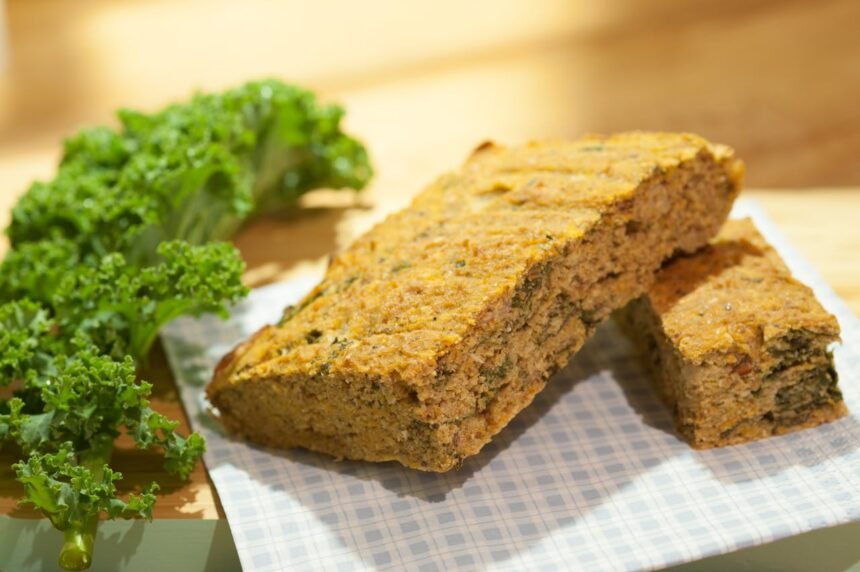
Adopting a Paleo lifestyle can be transformative for your health, focusing on whole, unprocessed foods that our ancestors might have recognised. However, in our fast-paced modern world, the reality of preparing fresh meals from scratch three times a day can feel overwhelming.
We have all been there: you arrive home after a long commute, exhausted and hungry. The fridge is full of raw vegetables and uncooked meats, but the energy to chop, sauté, and roast is simply not there. This is often the moment when dietary intentions crumble, and a takeaway app is opened.
This is where paleo batch cooking becomes your most powerful tool. It is not just about saving time; it is about protecting your energy and ensuring consistency. By dedicating a few focused hours to the kitchen once or twice a week, you can reclaim your evenings and reduce decision fatigue.
Batch cooking allows you to stick to your nutritional goals without the daily stress of cooking. It bridges the gap between the ancestral diet and the modern schedule, making healthy eating sustainable rather than a chore.
What Is Paleo Batch Cooking?
Paleo batch cooking combines the principles of the Paleo diet—eating meats, fish, fruits, vegetables, nuts, and seeds while avoiding grains, dairy, and processed foods—with the efficiency of volume preparation.
Unlike standard meal prepping, which might rely heavily on rice or pasta as bulk fillers, paleo batch cooking focuses on nutrient-dense vegetables and high-quality proteins.
The core idea is to prepare multiple portions of meals or versatile ingredients in advance. This ensures that a nutritious, grain-free meal is always within arm’s reach, whether it is in the fridge for the next day or stored in the freezer for a busy night next month.
Why It Matters
Research suggests that home cooking relates to better diet quality and lower adiposity. When you control the ingredients, you avoid the hidden sugars and seed oils prevalent in restaurant food.
However, the time investment is the primary barrier. Batch cooking addresses this by front-loading the effort. Instead of cleaning the kitchen 21 times a week, you might only do a deep clean twice. It is an investment in your future self.
5 Steps to Master Paleo Batch Cooking
Successfully implementing this routine requires a strategy. Here is a comprehensive guide to optimising your kitchen time.
1. Plan Your Menu Strategically
Start by looking at your calendar. How many nights will you be home? Do you need portable lunches for work?
Select recipes that share ingredients to minimise waste. For example, if you are roasting a chicken, buy two. Roast both at the same time; eat one for Sunday dinner and shred the other for salads and soups throughout the week.
The fundamentals of the paleo diet emphasise variety, so try to balance your menu with red meats, poultry, and plenty of colourful vegetables.
2. Shop for Volume
Once your plan is set, write a precise shopping list. This is crucial for reducing food waste, a major issue in UK households according to the British Nutrition Foundation.
When buying meat, opt for larger cuts. A whole brisket or a large pork shoulder is often cheaper per kilogram than steaks or chops and is perfect for slow cooking.
For vegetables, prioritised hardy root vegetables like sweet potatoes, carrots, and parsnips, which hold up well during storage. Delicate greens like spinach should be bought fresh or added at the last minute.
3. The Prep Phase
Before you even turn on the oven, do your “mise en place” (preparation).
Wash and chop all your vegetables at once. If you are slicing onions for a stew, slice extra for your morning omelettes.
Marinating proteins is another high-value step. According to the NHS, proper storage during marination is essential to stop bacteria spreading. Always marinate in the fridge, never on the counter.
4. Cook Smart, Not Hard
Utilise every appliance you have to cook in parallel:
- The Oven: Roast trays of root vegetables on one shelf while a tray of chicken thighs cooks on another.
- The Hob: Simmer a large pot of soup or bone broth.
- The Slow Cooker: Perfect for tougher cuts of meat that need hours to break down.
Focus on cooking “components” rather than just full meals. Having a container of roasted sweet potato cubes, a container of grilled chicken breast, and a jar of homemade vinaigrette allows you to assemble different meals quickly, keeping boredom at bay.
5. Storage and Safety
How you store your food dictates how long it lasts.
- Cooling: Allow food to cool to room temperature within two hours before refrigerating to prevent bacterial growth, as advised by the Food Standards Agency.
- Containers: Glass containers are superior for Paleo prep. They do not stain, they do not retain odours, and they can go straight from the fridge to the microwave or oven (minus the lid).
- Labelling: Use masking tape and a sharpie to date everything. You might think you will remember when you cooked that stew, but three weeks later in the freezer, it becomes a mystery.
The Efficiency Breakdown
To understand the true value of batch cooking, let us compare it to the standard approach of daily cooking.
| Feature | Daily Cooking | Paleo Batch Cooking |
|---|---|---|
| Time Spent | 45-60 mins per day (5-7 hours/week) | 2-3 hours total (1 session/week) |
| Cleaning | Daily washing up of pots and pans | One major clean-up session |
| Cost | Higher (impulse buys, smaller portions) | Lower (bulk buying, less waste) |
| Food Quality | Variable (often relies on convenience) | Consistent (controlled ingredients) |
| Stress Levels | High (daily decision fatigue) | Low (meals are ready to go) |
| Nutrient Retention | High (if eaten immediately) | High (if stored and reheated correctly) |
Tips for Success
Prioritise Healthy Fats
Since Paleo excludes grains, healthy fats are essential for satiety. Use stable cooking fats like coconut oil, avocado oil, or ghee for your roasting. The British Heart Foundation notes that understanding your fat sources is key to heart health; stick to unprocessed fats over industrial seed oils.
Embrace Freezing
Not everything needs to be eaten this week. If you make a large batch of chilli, freeze half immediately.
Proper freezing techniques can preserve the texture and flavour of your meals for months. Ensure you leave a little space at the top of the container for expansion.
Don’t Forget Breakfast
Paleo breakfasts can be tricky without toast or cereal.
Batch cook egg muffins (whisked eggs, spinach, and bacon baked in a muffin tin) or chia seed puddings. These grab-and-go options prevent you from skipping the most important meal of the day.
Frequently Asked Questions
Is reheating food safe on a Paleo diet?
Yes, absolutely. The key is ensuring food is piping hot all the way through. However, avoid reheating meat more than once. The GOV.UK guidelines on food safety highlight that multiple reheat cycles can increase the risk of food poisoning.
Will the vegetables get soggy?
Root vegetables (carrots, sweet potatoes) reheat very well. Cruciferous vegetables like broccoli may soften.
To avoid this, slightly undercook your vegetables during the batch cook session. They will finish cooking when you reheat them. Alternatively, store sauces separately from the vegetables and combine them only when serving.
Can I batch cook fish?
Fish is delicate and best eaten fresh. However, fish cakes or fish stews freeze reasonably well. If you want a fish fillet, it is often better to prep the side dishes in advance and pan-fry the fish fresh—it only takes a few minutes.
How does meal planning help with diabetes or blood sugar?
Even if you aren’t diabetic, stable blood sugar is a benefit of Paleo. Diabetes UK emphasises that meal planning helps manage blood glucose levels by ensuring consistent portion sizes and nutrient distribution, preventing the spikes and crashes associated with grabbing sugary snacks.
Is it expensive to cook this way?
Initially, the grocery bill might look high because you are buying a week’s worth of food at once. However, by avoiding mid-week shop visits and reducing takeaway orders, most people find they save significant money.
Furthermore, reducing consumption of ultra-processed foods, which are engineered to make us overeat, can naturally regulate your appetite and reduce overall food spending over time.
The Bottom Line
Paleo batch cooking is more than a kitchen hack; it is a lifestyle strategy that prioritises your health and your time.
By dedicating a few hours to preparation, you eliminate the daily friction of decision-making and ensure that you always have a nourishing, ancestral meal ready to eat.
Start small. Do not try to cook a month’s worth of food on your first attempt. Pick three recipes, shop for them, and dedicate a Sunday afternoon to the process. Your future self—arriving home tired on a Wednesday evening to a delicious, home-cooked Paleo meal—will thank you.
It is about progress, not perfection. With a little organisation, you can make the Paleo diet a seamless part of your modern life.