Sticking to a strict dietary protocol often feels effortless when you are in the comfort of your own kitchen. You have total control over the ingredients, the cooking oils, and the portion sizes. However, the prospect of dining out can quickly introduce a sense of anxiety. You might worry about accidental gluten exposure, hidden sugars in sauces, or the social awkwardness of modifying menu items.
It is entirely normal to feel this way. Food is a central part of socialising, and nobody wants to be the “difficult” person at the table. Yet, maintaining your health goals should not mean sacrificing your social life. The reality is that restaurant dining has evolved significantly, with more establishments catering to various dietary needs than ever before.
Whether you are attending a business lunch, a romantic dinner, or a family celebration, you can navigate the menu with confidence. By understanding a few key principles and preparing ahead of time, you can enjoy a delicious meal that leaves you feeling energised rather than lethargic. This guide details exactly how to maintain your Paleo lifestyle while eating out.
Understanding the Paleo Template
Before diving into specific strategies, it is helpful to briefly recap what constitutes a Paleo-friendly meal. The core philosophy involves mimicking the diet of our hunter-gatherer ancestors. This does not mean you need to eat raw meat, but rather that you prioritise whole, unprocessed foods.
When scanning a menu, you are primarily looking for nutrient-dense options. Your goal is to identify dishes that centre around high-quality proteins and vegetables, whilst avoiding modern agricultural staples that can cause inflammation or digestive distress.
Foods to prioritise include:
- Grass-fed meats: Beef, lamb, and pork.
- Poultry: Chicken, turkey, and duck.
- Fish and Seafood: Especially wild-caught varieties.
- Vegetables: Leafy greens, cruciferous vegetables, and root vegetables.
- Healthy Fats: Olive oil, avocado oil, coconut oil, and animal fats.
- Fruits: Berries and seasonal options (in moderation).
Foods to avoid:
- Grains: Wheat, rice, oats, and corn.
- Legumes: Beans, lentils, peanuts, and soy.
- Dairy: Milk, cheese, and yoghurt (though some modify this).
- Refined Sugar: High-fructose corn syrup and artificial sweeteners.
- Industrial Seed Oils: Canola, sunflower, and soybean oil.
A comprehensive guide to the Paleo diet basics can help refresh your memory on the nuances of these food groups. Additionally, understanding the importance of a balanced diet ensures you are not just restricting foods, but nourishing your body.
Actionable Steps for Dining Out
Successfully dining out on Paleo requires a blend of preparation and communication. By following a strategic approach, you can minimise stress and maximise enjoyment.
1. Research the Menu in Advance
Spontaneity is fun, but preparation is safer. Most restaurants now publish their menus online. In the UK, large businesses are also required to follow calorie labelling regulations, which often leads to more detailed ingredient transparency online.
Look for establishments that cook from scratch. “Farm-to-table” restaurants are often the most accommodating because they deal with whole ingredients rather than pre-packaged sauces containing hidden thickeners.
2. Communicate Clearly with Staff
Your server is your ally. When you sit down, be polite but firm about your requirements. You do not necessarily need to use the word “Paleo,” as this can sometimes cause confusion. Instead, focus on specific allergies or intolerances.
- Ask about cooking fats: “Is the steak cooked in butter or oil?”
- Check for fillers: “Do the burger patties contain breadcrumbs?”
- Clarify sauces: “Is the dressing made in-house, or is it bottled?”
Organisations like Coeliac UK provide excellent advice on communicating with waitstaff to avoid gluten cross-contamination, a skill that is equally valuable for Paleo diners.
3. Master the Art of Substitution
Most restaurants are happy to swap items if asked politely. The most common substitution is replacing the starch (chips, rice, or pasta) with extra vegetables or a side salad.
Common swaps include:
- Burger Joint: Ask for a “bunless” burger wrapped in lettuce.
- Breakfast: Swap toast for sliced tomatoes, mushrooms, or fruit.
- Sides: Request steamed vegetables instead of mashed potatoes (which often contain milk).
4. Navigating Specific Cuisines
Different cuisines present unique challenges and opportunities. Here is how to handle the most common options:
Steakhouse and British Roast
This is arguably the easiest option. A steak or roast meat with vegetables is naturally Paleo.
- What to order: Grilled steak, roast chicken, steamed broccoli, spinach.
- Watch out for: Gravy (often thickened with flour) and Yorkshire puddings. Ask for plain olive oil instead of peppercorn sauce.
Italian
Italian food is synonymous with pasta and pizza, but it also features incredible meat and seafood dishes.
- What to order: Antipasti platters (meats and olives, skip the cheese/bread), Tagliata (sliced steak with rocket), or grilled fish.
- Watch out for: Breaded meats (Milanese) and creamy risottos. The British Heart Foundation warns that restaurant sauces can be surprisingly high in salt and sugar, so ask for dressing on the side.
Indian
Indian cuisine offers rich flavours, but hidden dairy and vegetable oils are common.
- What to order: Tandoori meats (dry roasted), kebabs, and tomato-based curries (like Rogan Josh, though ask about thickeners).
- Watch out for: Naan bread, rice, and creamy sauces like Korma. Lentil dals are also off-limits on strict Paleo.
Japanese and Sushi
Sushi can be Paleo-friendly if you skip the rice.
- What to order: Sashimi (slices of raw fish), yakitori (grilled skewers, ask for salt rather than teriyaki sauce), and seaweed salad.
- Watch out for: Soy sauce (contains wheat/soy). Ask for Tamari if available, or bring a small bottle of coconut aminos. Avoid tempura.
Mexican
Focus on the fillings rather than the shells.
- What to order: Burrito bowls (no rice/beans), fajitas (eat the meat and veg, leave the tortillas), guacamole.
- Watch out for: Sour cream, cheese, and corn chips.
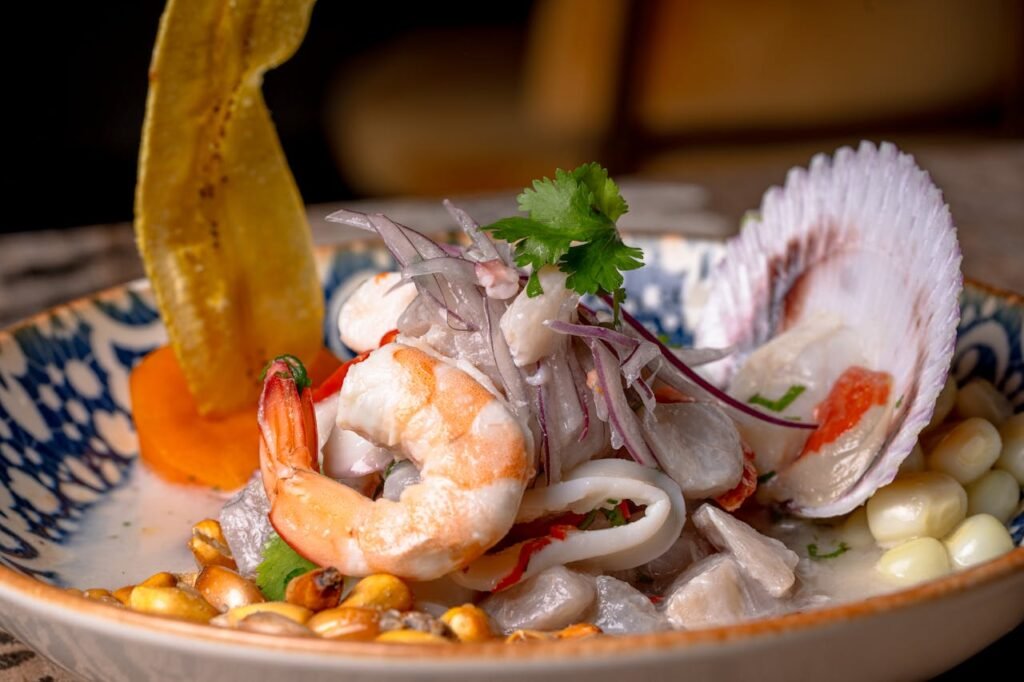
Comparison: Paleo vs. Standard Orders
Making the right choice often comes down to identifying the “red flags” on a menu. The table below outlines common restaurant items and their Paleo-friendly alternatives.
| Cuisine Type | Paleo “Green Light” Order | Items to Avoid (Red Flags) | Why? |
|---|---|---|---|
| Burger Joint | Double patty, lettuce wrap, bacon, avocado. | Buns, ketchup, fries, cheese. | Buns contain gluten/grains; ketchup is high in sugar. |
| Thai | Red/Green curry (no rice), stir-fry with no soy. | Pad Thai, spring rolls, peanut sauce. | Peanuts are legumes; Pad Thai noodles are rice-based. |
| Mediterranean | Grilled lamb souvlaki, Greek salad (no feta). | Pita bread, hummus, falafel. | Hummus and falafel are chickpea-based (legumes). |
| Breakfast | Poached eggs, smoked salmon, spinach, avocado. | Pancakes, toast, baked beans, oats. | Beans are legumes; oats and toast are grains. |
| Salad Bar | Mixed greens, grilled chicken, olive oil & lemon. | Croutons, creamy dressing, sweetcorn. | Croutons are wheat; sweetcorn is a grain; dressings often use seed oils. |
Frequently Asked Questions
Can I drink alcohol on a Paleo diet?
Strictly speaking, alcohol is a toxin and not “Paleo.” However, many people follow a “Primal” approach that allows for moderation. If you choose to drink, opt for gluten-free spirits like tequila, vodka, or gin mixed with soda water and fresh lime. Dry wines are also a better option than beer. Always be mindful of consumption limits; Drinkaware offers guidance on unit guidelines and the impact of alcohol on health.
How do I handle dessert?
Most restaurant desserts are loaded with flour and sugar. A fruit salad or a bowl of mixed berries is usually your best bet. If you are desperate for a treat, a high-cocoa dark chocolate fits the bill, though this is rarely found on standard menus. Reducing sugar intake is crucial, as noted by Action on Sugar, to prevent energy crashes.
What about cooking oils?
It is difficult to completely avoid industrial seed oils (like rapeseed or sunflower oil) in restaurants, as they are cheap and widely used. Don’t stress over trace amounts if you are dining out occasionally. Focus on what you can control: the main ingredients. For those with specific metabolic concerns, reviewing advice from Diabetes UK can help in understanding how different fat and carb combinations affect blood glucose.
Is it okay to have a “cheat” meal?
Some people follow the 80/20 rule: 80% strict Paleo, 20% flexible. If dining out is a rare occasion, you might choose to relax your standards slightly. However, if you have autoimmune issues or specific intolerances, sticking to the protocol is vital to avoid a flare-up. The British Dietetic Association emphasises the importance of understanding your own body’s reactions to food triggers.
The Bottom Line
Dining out while following a Paleo lifestyle does not require you to become a hermit. It simply requires a shift in perspective. By viewing the menu through a lens of nutrient density rather than restriction, you can find satisfying options almost anywhere.
Remember to prioritise proteins and vegetables, ask for simple substitutions, and communicate clearly with your server. Perfection is rarely possible in a restaurant kitchen, so focus on making the best possible choice available to you. With these strategies, you can enjoy the social connection of dining out without compromising your long-term health and wellbeing. BBC Good Food offers further recipe inspiration if you decide to recreate your favourite restaurant meals at home with fully compliant ingredients.