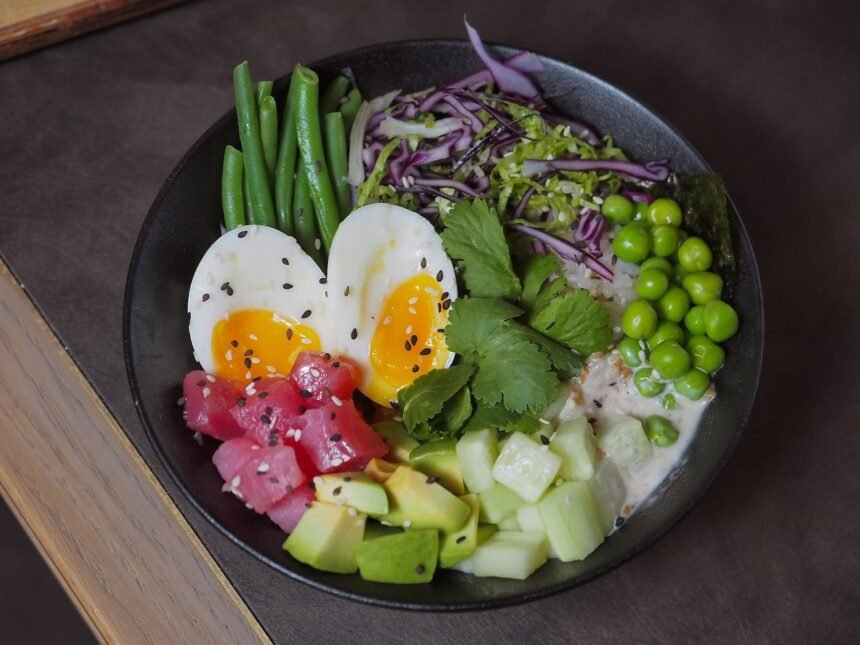
Juggling a demanding career with a healthy lifestyle often feels like an impossible equation. You wake up early, endure the commute, tackle a mountain of emails, and by the time you return home, cooking a nutritious meal is the last thing on your mind.
We have all been there. The temptation to order a takeaway or grab a pre-packaged sandwich is overwhelming when mental fatigue sets in. However, relying on processed convenience foods often leads to energy crashes, brain fog, and unwanted weight gain—factors that directly hinder professional performance.
This is where Paleo meal prep steps in as a transformative solution. By returning to the dietary principles of our ancestors—focusing on whole foods, lean meats, and vegetables—you can stabilise your energy levels and reclaim your health.
More importantly, by integrating a systematic preparation strategy, you remove the daily friction of decision-making. According to the NHS, reducing decision fatigue and stress is crucial for long-term well-being. This guide is designed to help you organise, prioritise, and execute a Paleo meal plan that fits seamlessly into a busy British professional’s life.
What Is Paleo Meal Prep?
The Paleo diet, often called the “caveman diet,” is built on a simple premise: if a hunter-gatherer didn’t eat it, neither should you. This means eliminating processed foods, grains, legumes, and dairy, while filling your plate with high-quality meats, fish, fruits, vegetables, nuts, and seeds.
Paleo meal prep combines these nutritional principles with the logistical efficiency of batch cooking. It is not just about putting food in containers; it is about strategic planning to ensure you have nutrient-dense fuel ready when you need it most.
For a professional, the benefits are twofold. Physiologically, cutting out refined sugars and grains helps regulate blood sugar, preventing the mid-afternoon slump. Logistically, prep saves hours during the workweek. For a comprehensive look at the permitted foods, Healthline’s guide to the Paleo diet offers an excellent breakdown of the basics.
Ultimately, this approach shifts nutrition from a daily chore to a managed system, allowing you to focus your mental energy on your career while your body thrives on clean, whole ingredients.
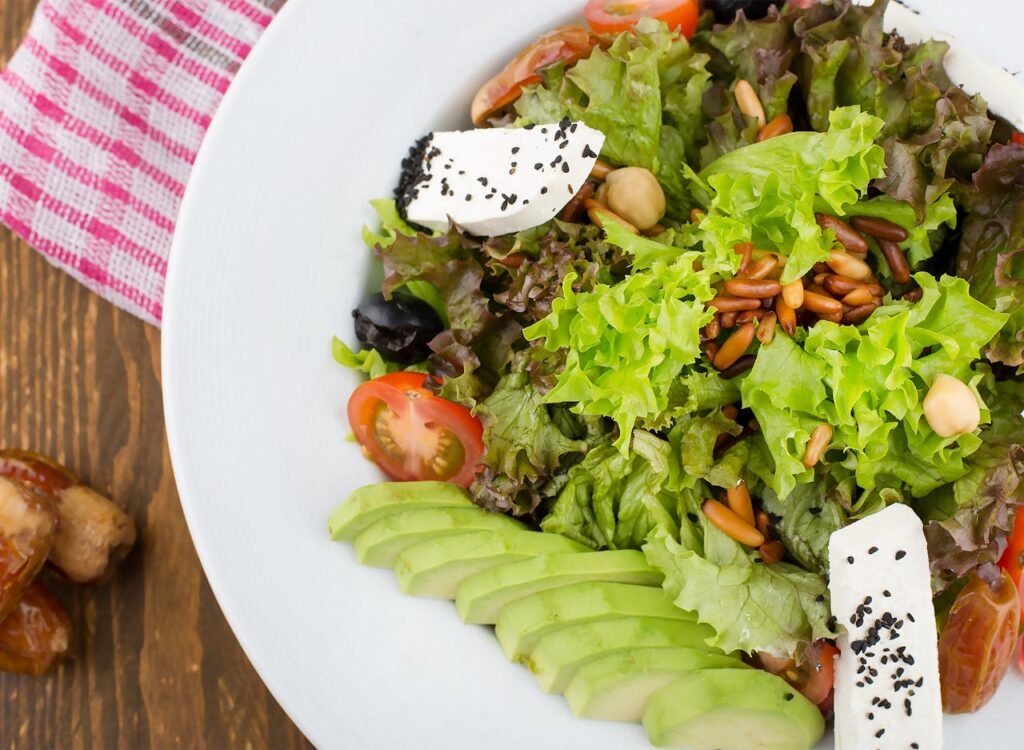
A Step-by-Step Guide for Professionals
Transitioning to a Paleo lifestyle requires more than just willpower; it requires a robust system. Follow these actionable steps to build a sustainable routine.
1. Perform a Kitchen Audit
Before you cook, you must clear the decks. Go through your pantry and remove non-Paleo items such as pasta, bread, biscuits, and vegetable oils. While this may feel drastic, having these items visible increases the likelihood of slipping up after a stressful day.
Replace these with Paleo staples. Stock up on olive oil, coconut oil, almond flour, and a variety of spices. Ensure you have high-quality storage solutions. Glass containers are preferable to plastic, as they do not retain odours and are safer for reheating. The Food Standards Agency provides vital guidance on how to store cooked food safely to prevent spoilage, which is essential when batch cooking for the week.
2. Prioritise Protein and Healthy Fats
When planning your menu, centre every meal around a high-quality protein source. Grass-fed beef, free-range chicken, and wild-caught fish should be your staples. Protein is the building block of satiety, keeping you fuller for longer.
Do not fear fat. In the absence of carbohydrates, healthy fats become your primary energy source. Avocados, nuts, and oily fish are essential. The British Nutrition Foundation emphasises the importance of protein quality, which aligns perfectly with the Paleo philosophy of eating unprocessed meat and fish.
3. Source Seasonally and Locally
One of the criticisms of Paleo is the cost. However, by shopping seasonally, you can mitigate this significantly. In the UK, root vegetables like carrots and parsnips are affordable and Paleo-friendly options for roasting.
Visit your local butcher or fishmonger. Not only is the quality often superior to supermarkets, but you can also buy cheaper cuts of meat like brisket or shoulder, which are perfect for slow cooking. For produce, BBC Good Food offers a seasonality calendar that can help you plan your meals around what is fresh and abundant, saving you money and boosting nutrient intake.
4. The ‘Sheet Pan’ Method
Efficiency is key. The easiest way to prep lunch for a week is the roasting tray method.
- Chop a variety of hard vegetables (sweet potato, broccoli, peppers).
- Toss them in olive oil, sea salt, and herbs.
- Add chicken thighs or salmon fillets to the tray.
- Roast at 200°C for 25–30 minutes.
This technique minimises washing up and ensures consistent flavour. You can vary the spices each week—try cajun seasoning one week and lemon and thyme the next—to prevent palate fatigue. Consuming a variety of vegetables is also linked to better heart health, as noted by Heart UK.
5. Sustainable Seafood Choices
Incorporating fish is vital for Omega-3 fatty acids, which support brain function—a critical asset for any professional. When meal prepping seafood, aim to consume it earlier in the week for freshness.
Be mindful of sourcing. Following the Marine Conservation Society’s Good Fish Guide ensures that your diet supports ocean health. Mackerel and sardines are sustainable, inexpensive, and packed with nutrition, making them perfect for a quick Paleo salad.
Comparison: Paleo vs. The Standard Western Diet
To understand why this switch impacts your health so profoundly, it helps to compare the nutritional profile of Paleo meal prep against a standard convenient diet.
| Feature | Paleo Meal Prep | Standard Western Diet |
|---|---|---|
| Primary Energy Source | Fats & Proteins | Refined Carbohydrates |
| Processing Level | Minimal (Whole Foods) | High (Ultra-processed) |
| Nutrient Density | Very High | Low to Moderate |
| Blood Sugar Impact | Stable, slow release | Spikes and crashes |
| Gut Health | High fibre, anti-inflammatory | Often inflammatory |
| Prep Requirement | High (Batch cooking) | Low (Convenience) |
Frequently Asked Questions
Is Paleo meal prep expensive in the UK?
It can be, but it doesn’t have to be. While organic meat is pricey, eggs, tinned fish, and seasonal vegetables are very affordable. Minimising waste through meal prep actually saves money compared to buying daily lunches or takeaways. MoneyHelper offers budgeting tips that can be applied to your grocery shopping.
Will I have enough energy without grains?
Initially, you may experience the “low-carb flu” as your body adapts. However, once you switch to burning fat for fuel, most people report sustained energy levels without the afternoon slump. Ensuring you eat enough calories is key. Diabetes UK explains how carbohydrates affect glucose levels, highlighting why reducing refined carbs stabilizes energy.
How do I get enough calcium without dairy?
Leafy greens like kale and spinach, as well as almonds and sardines with bones, are excellent sources of calcium. The Royal Osteoporosis Society confirms that non-dairy sources can contribute significantly to your daily intake requirements.
Can I drink coffee on Paleo?
Yes, black coffee is Paleo-friendly. The caffeine can boost productivity. However, avoid adding sugar or dairy milk. If you need a creamer, opt for almond milk or coconut milk. Be mindful of timing; the Sleep Foundation suggests limiting caffeine in the afternoon to protect your sleep quality.
The Bottom Line
Adopting Paleo meal prep is a powerful strategy for the busy professional. It moves you away from reactive eating and towards a proactive, health-conscious lifestyle. By eliminating processed foods and focusing on nutrient-dense ingredients, you provide your body and brain with the fuel required to excel in a high-pressure environment.
It requires an upfront investment of time to shop and cook, but the return on investment—measured in consistent energy, mental clarity, and long-term health—is substantial. Start with a simple kitchen audit this weekend, roast a tray of vegetables, and experience the difference for yourself. Remember, keeping active is also vital; GOV.UK guidelines on physical activity complement a healthy diet perfectly.