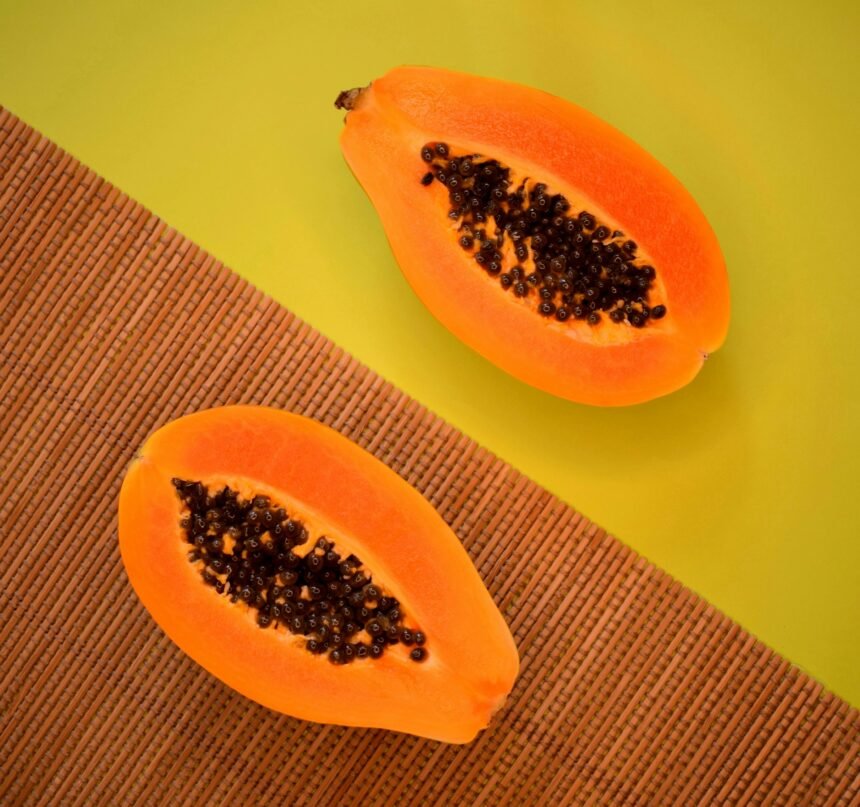
If you have ever sliced into a ripe, vibrant papaya, you know exactly why Christopher Columbus reportedly referred to it as the “fruit of the angels.”
With its soft, butter-like consistency and sweet, musky taste, this tropical fruit is a favourite in kitchens across the United Kingdom and beyond. However, papaya is far more than just a delicious addition to your morning fruit salad or smoothie bowl. It is a nutritional powerhouse loaded with essential vitamins, minerals, and antioxidants that can support your overall health.
For many people, understanding the specific nutritional profile of the foods they eat is a crucial part of managing their well-being. Whether you are counting calories, monitoring your carbohydrate intake for blood sugar management, or simply trying to boost your daily fibre, papaya is an excellent candidate for your shopping list.
In this article, we will explore the detailed nutrition facts of papaya, analyse its potential health benefits, and provide actionable tips on how to incorporate it into a balanced diet.
What Is Papaya?
Papaya (Carica papaya) is a tropical fruit native to Central America and Southern Mexico, though it is now grown in many other parts of the world.
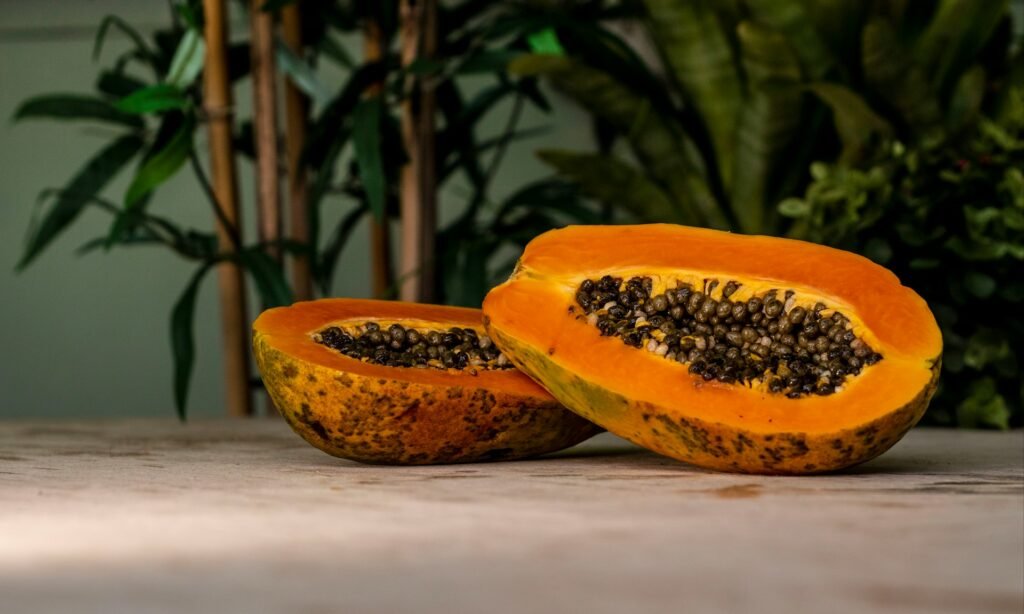
Historically, it was used not just for food but also for medicinal purposes in traditional cultures. The fruit is typically pear-shaped with green skin that turns yellow or orange as it ripens. Inside, the flesh is a rich orange or pinkish colour, housing a central cavity filled with round, black seeds encased in a gelatinous substance.
While most people discard the seeds, they are actually edible and have a peppery, slightly bitter flavour. Papaya contains a unique enzyme called papain, which helps break down proteins. This makes the fruit a popular natural remedy for digestion and a common ingredient in meat tenderisers.
According to Healthline, papaya is rich in antioxidants that may reduce inflammation and fight disease. It is available year-round in most UK supermarkets, usually imported from tropical climates, ensuring you can enjoy its benefits regardless of the season.
Nutritional Breakdown of Papaya
Understanding what is inside this tropical fruit can help you decide how it fits into your daily meal plan. Papaya is remarkably low in calories yet dense in vital nutrients.
Calories and Macronutrients
One of the main reasons papaya is celebrated by nutritionists is its favourable calorie-to-volume ratio. It allows you to eat a satisfying portion without consuming excessive energy. A small papaya (approximately 150 grams) typically contains roughly 60–65 calories, making it an ideal snack for weight management.
When looking at macronutrients, papaya consists primarily of water and carbohydrates. It contains negligible amounts of fat and protein. The majority of the carbohydrates come from natural sugars, which provide a quick source of energy. However, because it has a moderate Glycaemic Index (GI), it does not cause rapid spikes in blood sugar when consumed in moderation, which aligns with guidance from Diabetes UK regarding fruit consumption.
Fibre Content
Fibre is essential for maintaining a healthy digestive system. A medium-sized papaya can provide approximately 3 to 5 grams of dietary fibre.
Adequate fibre intake is linked to a lower risk of heart disease, diabetes, and bowel cancer. The British Nutrition Foundation emphasises that most adults in the UK do not eat enough fibre, so adding papaya to your diet is a tasty way to bridge that gap.
Vitamins and Minerals
Papaya is perhaps best known for its exceptionally high Vitamin C content. A single serving can provide more than 100% of your recommended daily intake. Vitamin C is vital for immune function and skin health.
Additionally, papaya is a good source of:
- Vitamin A: Important for vision and immune health.
- Folate (Vitamin B9): Crucial for cell growth and metabolism.
- Potassium: Helps regulate fluid balance and muscle contractions.
Data from GOV.UK on the composition of foods confirms that tropical fruits like papaya are significant contributors to micronutrient intake in a varied diet.
Potential Health Benefits
Beyond basic nutrition, the specific compounds found in papaya offer several impressive health benefits. Here is a closer look at how this fruit supports your body.
Improved Digestion
The enzyme papain found in papaya makes protein easier to digest. This can be particularly beneficial for people who struggle with indigestion or symptoms of irritable bowel syndrome (IBS).
Some studies suggest that eating papaya can reduce bloating and constipation. The combination of high water content and dietary fibre further promotes regularity, helping to prevent digestive sluggishness.
Heart Health Protection
Papaya contains high levels of antioxidants, specifically lycopene and vitamin C, which may help prevent heart disease.
The antioxidants in papaya work to prevent the oxidation of cholesterol. When cholesterol oxidises, it is more likely to create blockages in blood vessels. Furthermore, the potassium content in papaya helps manage high blood pressure, a key risk factor for cardiovascular issues, as noted by the British Heart Foundation.
Skin Damage Reduction
Your skin is constantly exposed to free radicals that can cause ageing. The vitamin C and lycopene in papaya protect your skin and may help reduce signs of ageing, such as wrinkling and sagging.
Research indicates that lycopene protects the skin against sun damage. Vitamin C is also necessary for the production of collagen, the protein that keeps your skin firm and youthful. Reliable sources like Medical News Today often highlight the role of dietary antioxidants in maintaining skin integrity.
Comparison: Papaya vs. Other Tropical Fruits
To help you visualise how papaya stacks up against other popular fruits, here is a comparison based on a standard 100g serving size.
| Nutrient | Papaya | Mango | Pineapple | Banana |
|---|---|---|---|---|
| Calories | 43 kcal | 60 kcal | 50 kcal | 89 kcal |
| Carbohydrates | 11g | 15g | 13g | 23g |
| Fibre | 1.7g | 1.6g | 1.4g | 2.6g |
| Vitamin C | 62mg | 36mg | 48mg | 8.7mg |
| Sugar | 7.8g | 14g | 10g | 12g |
Note: Values are approximate and can vary based on ripeness and variety.
As the table demonstrates, papaya is lower in sugar and calories than mango or banana, making it a superior choice for those strictly monitoring energy intake while still seeking high Vitamin C levels.
Actionable Tips for Selecting and Eating Papaya
Adding papaya to your routine is simple, but choosing the right fruit is key to enjoying the best flavour and texture.
How to Select a Ripe Papaya
- Check the Colour: Look for skin that is turning from green to yellow. A fully yellow or orange skin indicates peak ripeness.
- Test the Texture: Gently press the skin with your thumb. It should yield slightly, similar to a ripe avocado. If it is hard, it needs more time; if it is mushy, it is overripe.
- Smell the Base: A ripe papaya should have a faint, sweet, and musky aroma near the stem. If it has no smell, it is unripe. If it smells fermented, avoid it.
Preparation Ideas
- Classic Slices: Cut the fruit lengthwise, scoop out the seeds, and slice the flesh. Squeeze fresh lime juice over it to enhance the flavour, a tip frequently recommended by BBC Good Food.
- Smoothies: Blend frozen papaya chunks with coconut milk and banana for a tropical treat.
- Salads: Use unripe (green) papaya for a crunchy, savoury salad, often dressed with chilli, lime, and fish sauce (a Thai staple known as Som Tum).
- Breakfast Bowls: Top Greek yoghurt with diced papaya and chia seeds for a high-protein, high-fibre start to the day.
Frequently Asked Questions
Can I eat papaya seeds?
Yes, papaya seeds are edible. They have a crunchy texture and a strong, peppery flavour. You can dry them and grind them to use as a substitute for black pepper. However, consume them in moderation.
Is papaya safe for everyone?
While generally safe, unripe papaya contains high levels of latex. This can trigger allergic reactions in people with a latex allergy. Additionally, pregnant women are often advised to avoid unripe papaya because the latex may induce contractions, a precaution noted in studies found on PubMed.
Does papaya help with weight loss?
Papaya is low in calories and high in fibre, which helps you feel full for longer. This makes it an excellent food to include in a weight loss diet, provided it is part of a calorie-controlled regimen.
When is the best time to eat papaya?
There is no specific “best” time, but many people enjoy it at breakfast to aid digestion throughout the day. It also makes a great post-meal dessert due to its enzyme content.
The Bottom Line
Papaya is a nutritional gem that deserves a spot in your fruit bowl. It offers a rare combination of low calories, moderate carbohydrates, and a massive dose of Vitamin C.
Whether you are looking to support your heart health, improve your digestion with natural enzymes like papain, or simply enjoy a sweet, guilt-free snack, this fruit delivers on all fronts. Remember to choose ripe fruit for the best flavour and nutrient absorption.
By incorporating papaya into a balanced diet—alongside guidance from resources like the NHS Eatwell Guide—you can take a proactive step towards better health. Next time you are at the market, look for that golden-orange skin and enjoy the “fruit of the angels.”