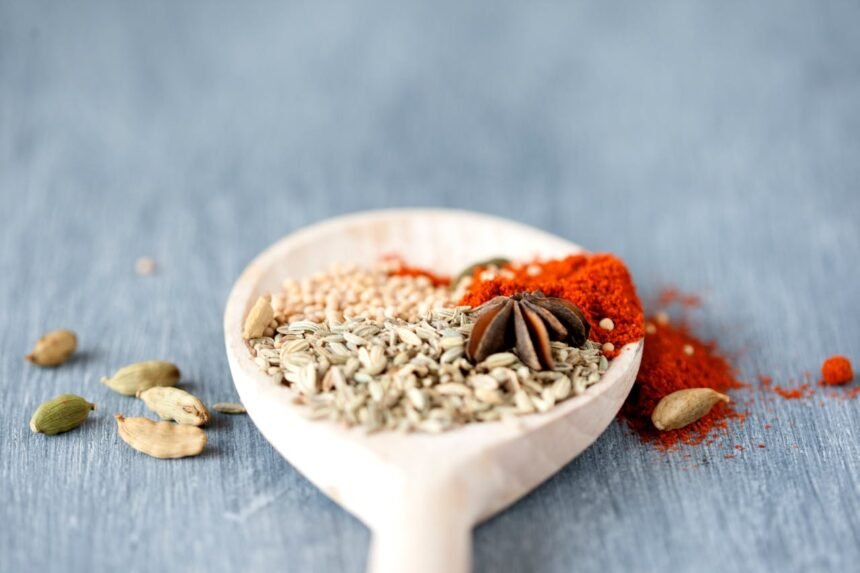
Paprika is a versatile spice that adds vibrant colour and flavour to many dishes. However, there may be times when you find yourself without this essential ingredient. Whether you’ve run out of paprika or need an alternative due to dietary restrictions, this comprehensive guide will explore the 10 best paprika substitutes for every recipe. We’ll delve into each alternative’s flavour profile, heat level, and best uses, ensuring you can confidently adapt your favourite recipes without compromising on taste.
Introduction: Understanding Paprika and the Need for Substitutes
Paprika is a popular spice derived from dried and ground red peppers, primarily from the Capsicum annuum family. It comes in various forms, including sweet, smoked, and hot paprika, each offering a unique flavour profile and level of heat. The versatility of paprika makes it a staple in many cuisines worldwide, from Hungarian goulash to Spanish paella.
However, there are several reasons why you might need a paprika substitute:
- You’ve run out of paprika in your spice rack
- Allergies or dietary restrictions
- Desire to experiment with different flavours
- Unavailability of paprika in your local area
Understanding the role of paprika in your recipes is crucial when selecting an appropriate substitute. Paprika not only adds flavour but also contributes to the colour and sometimes the texture of a dish. With this in mind, let’s explore the 10 best alternatives that can step in when paprika is not an option.
1. Cayenne Pepper: The Fiery Alternative
Cayenne pepper is an excellent paprika substitute, especially when you’re looking to replicate the heat of hot paprika[1]. Made from the same plant family as paprika, cayenne offers a similar flavour profile but with significantly more heat.
Flavour Profile: Cayenne pepper has a sharp, pungent taste with a fiery kick. It’s considerably hotter than most paprika varieties, so use it sparingly.
Best Uses:
- Spicy soups and stews
- Marinades for grilled meats
- Hot sauces and dips
How to Substitute: Start with 1/4 teaspoon of cayenne pepper for every teaspoon of paprika called for in the recipe. Adjust to taste, keeping in mind that cayenne is much hotter than paprika.
Pro Tip: To balance the heat and mimic the sweetness of paprika, consider adding a pinch of sugar when using cayenne as a substitute.
While cayenne pepper can effectively replace paprika in many recipes, be cautious with the amount used, especially if you’re sensitive to spicy foods. Remember, you can always add more heat, but it’s challenging to reduce it once it’s in the dish.

2. Chili Powder: The Versatile Stand-In
Chili powder is a popular spice blend that often includes ground chili peppers, cumin, garlic powder, and other spices[2]. Its complex flavour profile makes it a versatile paprika substitute in many recipes.
Flavour Profile: Chili powder offers a balanced mix of heat, earthiness, and subtle sweetness. The flavour can vary depending on the specific blend, but it generally provides a well-rounded taste.
Best Uses:
- Tex-Mex dishes
- Chili con carne
- Spice rubs for meats
How to Substitute: Use an equal amount of chili powder as you would paprika in your recipe. However, be aware that chili powder may contain salt, so adjust your recipe’s salt content accordingly.
Pro Tip: If you’re using chili powder as a substitute for smoked paprika, consider adding a drop of liquid smoke to achieve that smoky flavour.
Chili powder’s versatility makes it an excellent paprika substitute in a wide range of dishes. Its complex flavour can add depth to your recipes, often enhancing the overall taste profile. However, keep in mind that the colour may be slightly different from paprika, potentially affecting the visual appeal of your dish.
3. Ancho Chile Powder: The Mild and Sweet Option
Ancho chile powder, made from dried poblano peppers, offers a milder and sweeter alternative to paprika[1]. Its rich, fruity notes make it an excellent substitute, especially in dishes where you want to avoid excessive heat.
Flavour Profile: Ancho chile powder has a sweet, fruity taste with hints of raisin and a mild heat. It’s less spicy than regular chili powder, making it a good option for those who prefer less heat.
Best Uses:
- Mexican mole sauces
- Enchiladas
- Spice rubs for roasted vegetables
How to Substitute: Use an equal amount of ancho chile powder as you would paprika. If you’re substituting for smoked paprika, consider adding a pinch of cumin to enhance the earthy notes.
Pro Tip: Ancho chile powder pairs exceptionally well with chocolate. Try adding it to your next batch of brownies or hot chocolate for a unique twist.
Ancho chile powder’s mild heat and sweet undertones make it an excellent paprika substitute in recipes where you want to maintain a balance of flavours without overpowering the dish with spiciness. Its deep red colour also helps maintain the visual appeal that paprika typically provides.
4. Red Pepper Flakes: The Textured Alternative
Red pepper flakes, also known as crushed red pepper, offer a spicy kick and a unique texture that can add interest to your dishes when used as a paprika substitute[1].
Flavour Profile: Red pepper flakes provide a sharp, fiery heat with a slightly fruity undertone. The heat level can vary depending on the type of peppers used, but it’s generally spicier than paprika.
Best Uses:
- Pizza and pasta dishes
- Stir-fries
- Spicy marinades
How to Substitute: Start with 1/2 teaspoon of red pepper flakes for every teaspoon of paprika called for in the recipe. Adjust to taste, keeping in mind that the flakes will add texture to your dish.
Pro Tip: For a smoother texture, you can grind the red pepper flakes in a spice grinder before using them as a paprika substitute.
While red pepper flakes can effectively replace paprika in many recipes, they do add a noticeable texture that paprika doesn’t have. This can be a positive addition in some dishes but may not be suitable for recipes where a smooth consistency is desired. Consider the texture of your dish when using this substitute.
5. Aleppo Pepper: The Gourmet Choice
Aleppo pepper, named after the Syrian city of Aleppo, offers a sophisticated alternative to paprika with its complex flavour profile[1].
Flavour Profile: Aleppo pepper has a moderate heat level with fruity, tangy notes and a hint of cumin-like earthiness. It’s less spicy than cayenne but more flavourful than regular paprika.
Best Uses:
- Middle Eastern dishes
- Grilled meats and vegetables
- Dips and spreads
How to Substitute: Use an equal amount of Aleppo pepper as you would paprika. If you’re looking for more heat, you can increase the amount slightly.
Pro Tip: Aleppo pepper’s unique flavour shines when used as a finishing spice. Try sprinkling it over hummus or roasted vegetables just before serving.
Aleppo pepper’s complex taste makes it an excellent paprika substitute in recipes where you want to add depth and intrigue to your dish. Its moderate heat level allows it to be used more liberally than some other substitutes, making it a versatile option for various cuisines.
6. Chipotle Powder: The Smoky Replacement
Chipotle powder, made from smoked and dried jalapeño peppers, is an excellent substitute for smoked paprika[1]. It offers a robust, smoky flavour that can elevate your dishes.
Flavour Profile: Chipotle powder provides a deep, smoky taste with a moderate to high heat level. It has earthy undertones and a slight sweetness that complements many dishes.
Best Uses:
- Barbecue sauces and rubs
- Mexican-inspired soups and stews
- Smoky dips and salsas
How to Substitute: Start with 1/2 teaspoon of chipotle powder for every teaspoon of paprika in your recipe. Adjust to taste, keeping in mind that chipotle powder is spicier and smokier than regular paprika.
Pro Tip: To balance the heat of chipotle powder, consider adding a touch of honey or maple syrup to your recipe. This can help mimic the sweetness often found in paprika.
Chipotle powder is an excellent paprika substitute when you’re looking to add a smoky dimension to your dish. Its intense flavour means a little goes a long way, so use it judiciously. This substitute works particularly well in recipes that call for smoked paprika or in dishes where you want to introduce a barbecue-like taste.

7. Tomato Powder: The Mild, Colourful Alternative
Tomato powder, while not a spice, can be an unexpected yet effective paprika substitute, especially when you’re looking to add colour without heat[2].
Flavour Profile: Tomato powder offers a concentrated tomato flavour with a slight sweetness and acidity. It doesn’t provide any heat but contributes a rich red colour similar to paprika.
Best Uses:
- Soups and sauces
- Dry rubs for meats
- Vegetable dishes
How to Substitute: Use an equal amount of tomato powder as you would paprika. If you’re looking to add some heat, consider mixing in a small amount of cayenne or chili powder.
Pro Tip: Tomato powder can be used to intensify the tomato flavour in dishes like pasta sauces or stews. It’s also a great way to add a pop of colour to dishes without altering the liquid content.
While tomato powder doesn’t replicate the spiciness of paprika, it’s an excellent option for adding colour and a subtle depth of flavour to your dishes. It’s particularly useful in recipes where you want to avoid heat altogether or in dishes where tomato flavour would complement the other ingredients.
8. Smoked Paprika Alternatives: Liquid Smoke and Smoked Salt
When you’re specifically looking to replace smoked paprika, a combination of liquid smoke and regular paprika or smoked salt can be effective alternatives[1].
Flavour Profile: Liquid smoke provides an intense smoky flavour, while smoked salt offers a more subtle smokiness with added saltiness. When combined with regular paprika or another mild chili powder, these can closely mimic the taste of smoked paprika.
Best Uses:
- Barbecue sauces and marinades
- Smoked meat dishes
- Vegetarian dishes requiring a smoky flavour
How to Substitute:
- For liquid smoke: Use a few drops along with regular paprika or mild chili powder.
- For smoked salt: Use in place of regular salt in your recipe, adjusting the amount of paprika or chili powder as needed.
Pro Tip: When using liquid smoke, remember that a little goes a long way. Start with just a drop or two and adjust to taste.
These alternatives are particularly useful when you’re trying to replicate the distinct smoky flavour of smoked paprika. They allow you to control the level of smokiness in your dish, which can be especially helpful when adapting recipes to personal preferences.
9. Cumin and Cayenne Blend: The Custom Mix
Creating a blend of cumin and cayenne pepper can provide a unique and customizable paprika substitute[2].
Flavour Profile: This blend offers a combination of earthy, warm notes from cumin and spicy heat from cayenne. The result is a complex flavour that can mimic some of the depth found in paprika.
Best Uses:
- Middle Eastern and Indian dishes
- Spice rubs for meats
- Bean-based dishes
How to Substitute: Mix 3 parts ground cumin with 1 part cayenne pepper. Use this blend in equal amounts as you would paprika, adjusting the ratio to increase or decrease heat as desired.
Pro Tip: For a more complex flavour, consider adding a pinch of garlic powder or dried oregano to your cumin and cayenne blend.
This custom blend allows you to tailor the flavour and heat level to your specific needs. It’s particularly useful in recipes where you want to add both warmth and spice, making it a versatile paprika substitute in a variety of cuisines.
10. Bell Pepper Powder: The Homemade Alternative
For a mild, sweet paprika substitute, consider making your own bell pepper powder using dried red bell peppers[5].
Flavour Profile: Bell pepper powder offers a sweet, mild pepper flavour without any heat. It provides a similar colour to paprika and can contribute a fresh, vegetal taste to dishes.
Best Uses:
- Mild sauces and soups
- Vegetable dishes
- Light spice rubs
How to Substitute: Use an equal amount of bell pepper powder as you would paprika. If you’re looking to add heat, consider mixing in a small amount of cayenne or chili powder.
Pro Tip: To make your own bell pepper powder, slice red bell peppers thinly, dehydrate them in a food dehydrator or low-temperature oven, then grind them into a fine powder using a spice grinder.
Bell pepper powder is an excellent paprika substitute when you want to add colour and a mild pepper flavour without any heat. It’s particularly useful in dishes where you want to maintain a delicate flavour balance or when cooking for those who are sensitive to spicy foods.
Table: Comparison of Paprika Substitutes
| Substitute | Flavour Profile | Heat Level | Best Uses |
|---|---|---|---|
| Cayenne Pepper | Sharp, pungent | High | Spicy dishes, marinades |
| Chili Powder | Balanced, earthy | Moderate | Tex-Mex, spice rubs |
| Ancho Chile Powder | Sweet, fruity | Mild | Mexican dishes, roasted vegetables |
| Red Pepper Flakes | Sharp, fruity | Moderate to High | Pizza, pasta, stir-fries |
| Aleppo Pepper | Fruity, tangy | Moderate | Middle Eastern dishes, grilled meats |
| Chipotle Powder | Smoky, earthy | Moderate to High | BBQ sauces, Mexican soups |
| Tomato Powder | Sweet, acidic | None | Soups, sauces, dry rubs |
| Liquid Smoke/Smoked Salt | Intensely smoky | None | BBQ dishes, smoked meat alternatives |
| Cumin and Cayenne Blend | Earthy, spicy | Adjustable | Middle Eastern, Indian dishes |
| Bell Pepper Powder | Sweet, mild | None | Mild sauces, vegetable dishes |
FAQs
- What is the best substitute for smoked paprika?
Chipotle powder or a combination of liquid smoke with regular paprika are excellent substitutes for smoked paprika. - Can I use chili powder instead of paprika?
Yes, chili powder can be used as a substitute for paprika. However, keep in mind that it may be spicier and contain other spices, so adjust the amount accordingly. - What is the difference between sweet and smoked paprika?
Sweet paprika has a mild, sweet flavour, while smoked paprika has been dried by smoking, imparting a distinct smoky taste. - How do I make homemade paprika?
To make homemade paprika, dry red peppers (such as bell peppers or specific paprika peppers) and grind them into a fine powder. - Are paprika substitutes suitable for all recipes?
While many substitutes can work well, consider the specific flavour profile and heat level of each substitute in relation to your recipe. Some may be more suitable for certain dishes than others.
Conclusion
Finding the perfect paprika substitute depends on the specific requirements of your recipe and personal taste preferences. Whether you’re looking for heat, smokiness, or just a pop of colour, there’s an alternative that can work for you. From the fiery kick of cayenne pepper to the mild sweetness of bell pepper powder, each substitute offers unique characteristics that can enhance your culinary creations.
Remember, cooking is an art of experimentation. Don’t be afraid to mix and match these substitutes to create your perfect blend. With these 10 best alternatives for paprika, you’ll never be at a loss when your spice rack is missing this versatile ingredient. Happy cooking!
Citations:
[1] https://www.cozymeal.com/magazine/paprika-substitute
[2] https://tastessence.com/paprika-substitute
[3] https://www.mdpi.com/2076-3921/13/12/1492
[4] https://www.yahoo.com/lifestyle/10-best-substitutes-paprika-171307051.html
[5] https://www.tilda.com/blog/ingredient-guide/what-is-paprika/
[6] https://pmc.ncbi.nlm.nih.gov/articles/PMC9368040/
[7] https://www.eatyourbeets.com/paprika-substitutes/