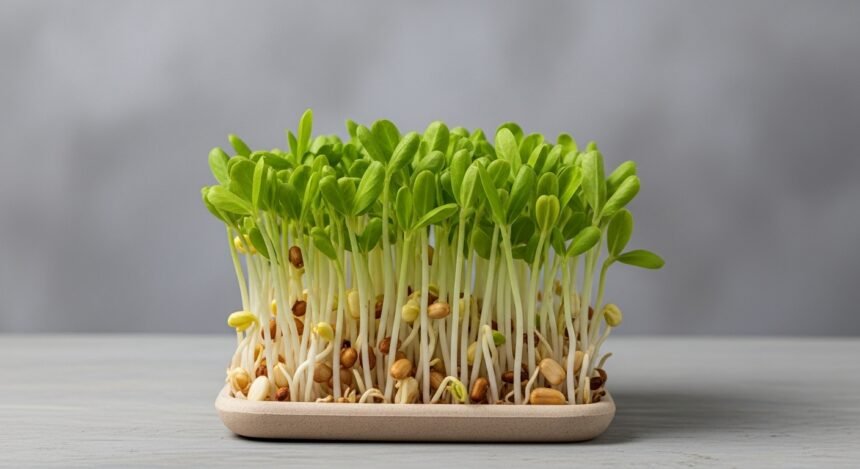
While peanuts are a staple in cupboards across the UK—usually found roasted, salted, or ground into butter—there is a transformation of this humble legume that is capturing the attention of nutritionists worldwide. Peanut sprouts are emerging as a functional superfood, boasting a nutritional profile that differs significantly from their dormant counterparts.
Sprouting, or germination, is a process that activates dormant seeds, unlocking nutrients and making them easier for the body to absorb. When applied to peanuts, this process dramatically increases levels of resveratrol, the potent antioxidant famously found in red wine. If you are looking to diversify your plant-based diet, understanding the germinated peanut benefits could be a game-changer for your health regimen.
This article provides an exhaustive look at peanut sprouts, exploring their nutritional changes, potential health benefits, safety considerations, and how to incorporate them into your daily routine.
Overview
Peanut sprouts are simply raw peanuts that have been soaked and allowed to germinate for several days until a small root shoots out. Unlike traditional bean sprouts (like mung or soy), peanut sprouts are robust, crunchy, and possess a distinctively nutty, slightly bitter flavour profile comparable to fresh garden peas.
Although they are a common culinary ingredient in Asian cuisines, particularly in Korea where they are known as ddangkong-namul, they are relatively new to the Western wellness scene. The primary driver of their rising popularity is the staggering increase in resveratrol content in peanuts once they germinate. Some studies suggest that the resveratrol levels in peanut sprouts can be significantly higher than those found in grapes and red wine, making them one of the most potent sources of this compound available.
Furthermore, the sprouting process alters the macronutrient balance. The fat content decreases as the seed uses energy to grow, while the protein and fibre content effectively increases by weight. This makes them an intriguing option for those seeking low calorie nut alternatives without sacrificing the satisfaction of eating legumes.
The Science: Causes of Nutritional Enhancement
To understand why peanut sprouts are beneficial, we must look at the biological “causes” behind their transformation. The legume germination process triggers a cascade of enzymatic activities. The seed, believing it is time to become a plant, begins to break down complex starches and proteins into simpler forms.
Sky-Rocketing Antioxidants
One of the most profound changes is the synthesis of polyphenols. The antioxidant properties of legumes are generally well-documented, but sprouting supercharges them. Resveratrol is synthesised by the peanut as a defence mechanism against fungal attacks during the vulnerable sprouting phase. This compound is linked to reduced inflammation and longevity.
For more on the benefits of plant-based compounds, you can read about the National Institutes of Health (NIH) research into resveratrol and its effects on human health.
Improved Bioavailability
Another key factor is the bioavailability of nutrients in sprouts. Phytic acid, often called an “anti-nutrient” found in grains and legumes, binds to minerals like iron, zinc, and calcium, preventing absorption. Sprouting reduces phytic acid levels, making these critical minerals more available to your body. This makes peanut sprouts a superior source of nutrition compared to raw, un-sprouted nuts.
Metabolic Health Improvements
Because the fat content is converted into energy for the shoot, the caloric density drops. Simultaneously, the quality of protein improves. Consuming foods high in bioavailable plant protein and fibre is associated with metabolic health improvements, including better blood sugar regulation. This is particularly relevant when comparing them to high-fat snacks.
If you are interested in the different starting points for these sprouts, you might explore A Guide to Valencia Peanuts: Sweetness and Nutrition Profile, as different varieties yield different sprout sizes and flavours. Similarly, Spanish Peanuts: Small Size, Big Flavour and High Oil Content are often favoured for their quick germination rates.
Management: Preparation and Safety Risks
While the benefits are impressive, treating peanut sprouts with care is essential. The “management” of this food involves strict safety protocols because the warm, humid conditions required for sprouting are also ideal for bacterial growth.
Mitigating Bacterial Risks
Raw sprouts have been linked to outbreaks of Salmonella and E. coli. This is a general risk for all sprouts, not just peanuts. To manage this, the Centers for Disease Control and Prevention (CDC) recommends cooking sprouts thoroughly to kill harmful bacteria. While some enthusiasts eat them raw for enzyme preservation, those with compromised immune systems, pregnant women, and the elderly should avoid raw sprouts entirely.
Allergies and Toxicity
Peanut allergies are among the most severe food allergies. It is crucial to note that peanut sprout side effects include the same anaphylactic reactions as mature peanuts. Sprouting does not remove the allergenic proteins. If you are allergic to peanuts, you must avoid peanut sprouts.
Furthermore, there are concerns regarding raw peanut toxicity risks, specifically regarding aflatoxins (toxins produced by mould). However, proper sprouting conditions (rinsing frequently) can actually reduce aflatoxin levels compared to poorly stored raw nuts. For authoritative advice on allergy management, refer to the Mayo Clinic guidelines.
Selecting the Right Nut
Not all peanuts will sprout. Roasted or processed nuts are dead seeds. You need raw, viable seeds. You might look into Jungle Peanuts: Exploring the Wild Ancestor of Modern Legumes or Red Skin Peanuts: Antioxidant Benefits and Culinary Uses to find viable raw options. If you are sourcing seeds, ensure they are labelled for sprouting or planting, rather than eating, to ensure viability.
Tips for Incorporation and Growing
Integrating peanut sprouts into your diet can be a culinary adventure. Here is how to grow, use, and enjoy them safely.
How to Grow Peanut Sprouts at Home
Growing your own is the best way to ensure freshness and control hygiene.
- Soak: Place raw, shelled peanuts in cool water for 24 hours.
- Drain and Rinse: Use a colander or sprouting jar. Rinse them thoroughly.
- Darkness: Keep them in the dark (this encourages the root to grow long and white rather than green and bitter).
- Rinse Repeat: Rinse every 4–6 hours to prevent mould.
- Harvest: In 3–5 days, when the root is 2–4 inches long, they are ready.
For those with a garden looking to scale up, you might find our article on Essential Peanut Harvesting Tools for Small-Scale Growers useful, or if you are starting from scratch, read Growing Your Own: Best Practices for Organic Peanut Seeds.
Culinary Uses
The flavour is a cross between a raw peanut and a crunchy bean sprout. Here are some ideas:
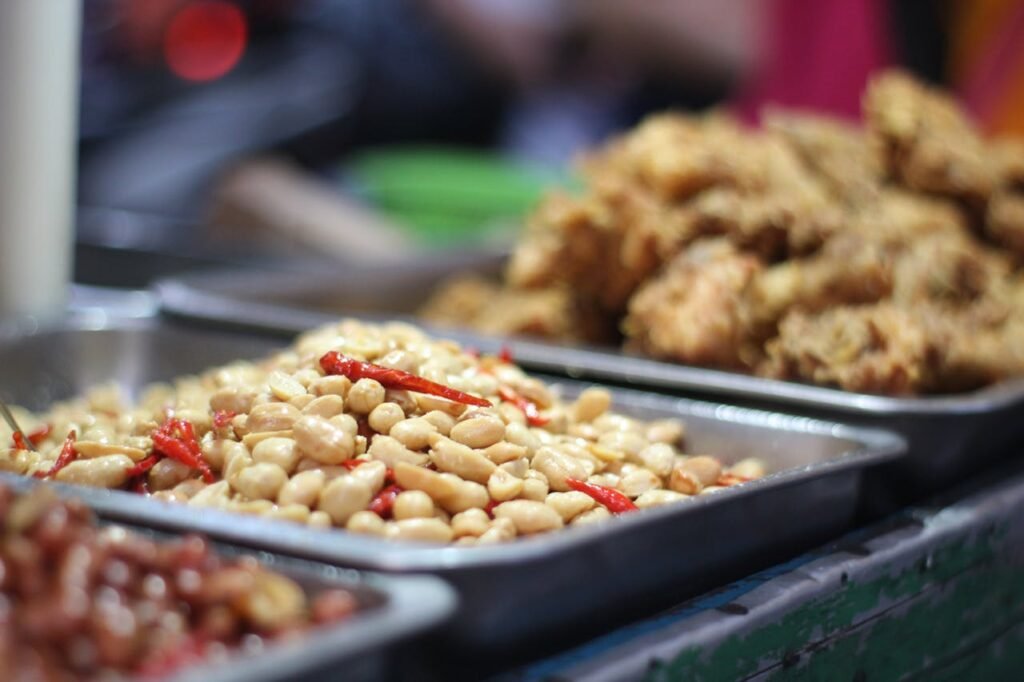
- Stir-fries: Flash fry them with garlic, soy sauce, and sesame oil. This is the safest method as it kills bacteria.
- Soups: Add them to miso soup or hearty stews for extra texture.
- Salads: If you accept the risk of raw consumption, peanut sprout salad recipes often pair them with sharp vinaigrettes to cut through the earthiness.
- Smoothies: Blend them for a massive protein and resveratrol boost.
Comparing sprouted vs roasted peanuts reveals that while roasted nuts, like those discussed in Dry Roasted Peanuts: A Heart-Healthy Snack Choice, are delicious, sprouts offer a more complex nutrient profile with less fat. If you enjoy baking, you might also be interested in Roasted Peanut Flour: Gluten-Free Baking and Nutritional Gains as another alternative to whole nuts.
Sustainability and Waste
Peanut sprouts are a sustainable plant-based protein. They require minimal water compared to livestock and grow rapidly. Even the by-products of peanut farming are useful. For example, How to Use Peanut Shell Mulch in Your British Garden and Using Peanut Meal as an Organic Fertiliser and Animal Feed highlight the zero-waste potential of this crop.
For more on the general benefits of legumes in a sustainable diet, the Harvard T.H. Chan School of Public Health offers excellent resources.
The Bottom Line
Peanut sprouts represent a fascinating intersection of agriculture and nutrition. By allowing the peanut to germinate, we unlock a treasure trove of heart-healthy superfoods characteristics, most notably a massive surge in resveratrol and improved mineral absorption.
While they are excellent dietary fibre sources, caution is required regarding food safety. Cooking them thoroughly is the best way to enjoy their benefits without the risk of foodborne illness. Whether you are looking for a new ingredient for your stir-fry or seeking to maximise the antioxidant potential of your diet, peanut sprouts are worth exploring.
Always consult with a healthcare professional before making significant dietary changes, especially if you have a history of allergies. For more guidance on healthy eating, visit the NHS Eat Well guide.
Additional resources for further reading: