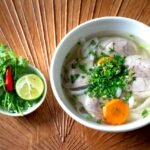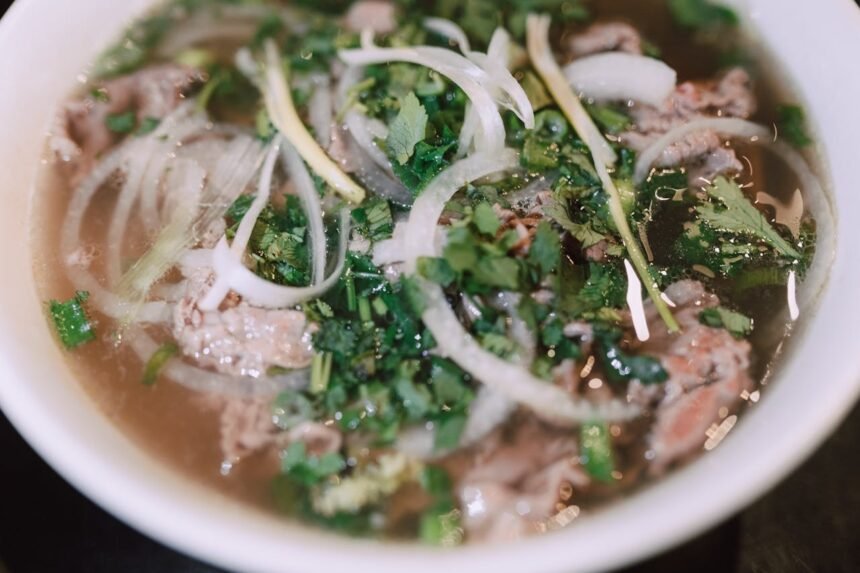
When you sit down at a traditional Vietnamese restaurant, the steaming bowl of aromatic broth is only half the story. The real magic begins when the Pho Garnish Plate arrives at your table. This vibrant assortment of textures, colours, and scents is more than just a side dish; it is a customisable toolkit that allows you to tailor your meal to your exact palate and nutritional needs.
Rooted deeply in Vietnamese cuisine, the garnish plate reflects a philosophy of balance—the “yin and yang” of cooking. From the crunch of bean sprouts to the zesty hit of lime wedges, each element plays a critical role in transforming a simple soup into a complex, restorative masterpiece. In this guide, we explore how to utilise these fresh ingredients to boost both flavour and wellness.
What Exactly is on a Traditional Pho Garnish Plate?
While regional variations exist between Northern and Southern Vietnam, most modern versions of the Pho Garnish Plate include a core set of ingredients. These items are designed to be added to the hot broth at the very last second, preserving their enzymes and aromatic properties.
Common components include:
- Thai Basil: Recognisable by its purple stems, this herb offers a spicy, liquorice-like aroma.
- Bean Sprouts: Usually served raw or lightly blanched to provide a refreshing crunch against the soft rice noodles.
- Sawtooth Herb: Also known as Culantro, this long, serrated leaf has a more intense flavour than standard coriander.
- Bird’s Eye Chili: For those who enjoy a metabolic kick, these tiny peppers pack significant heat.
- Fresh Cilantro: Often chopped and added to the bowl before it reaches the table, though extra sprigs frequently appear on the side.
- Lime Wedges: Essential for cutting through the richness of the beef or chicken fat.
The Nutritional Powerhouse: Why Garnishes Matter
Beyond the taste, the components of a Pho Garnish Plate offer significant digestive benefits. Many of the aromatic herbs used are carminative, meaning they help reduce bloating and improve the transit of food through the digestive system. For instance, Thai basil contains phytochemicals that may help reduce inflammation.
Adding a generous amount of greens to your soup increases your intake of micronutrients without significantly raising the calorie count. This makes Pho an excellent choice for those seeking a balanced diet that doesn’t sacrifice satisfaction for health.
Flavour Profiles and Health Benefits
| Garnish Component | Primary Flavour | Key Health Benefit |
|---|---|---|
| Thai Basil | Anise/Peppery | Anti-inflammatory properties |
| Bean Sprouts | Neutral/Fresh | High in Vitamin C and Fibre |
| Bird’s Eye Chili | Spicy/Sharp | Boosts metabolism via Capsaicin |
| Sawtooth Herb | Earthy/Citrus | Aids in gut health and digestion |
| Lime | Acidic/Tart | Enhances iron absorption |
Mastering the Art of Customisation
How you assemble your bowl is a personal journey. However, to maintain the integrity of the culinary tradition, there is a suggested order of operations. Start by tasting the broth in its pure state. This allows you to appreciate the hours of simmering that went into the base.
Next, squeeze your lime wedges to brighten the flavour profile. Then, tear your aromatic herbs by hand rather than cutting them; this releases the essential oils more effectively. Submerge the bean sprouts under the rice noodles if you prefer them slightly softened, or keep them on top for maximum texture.
For those who prefer a bit of “DIY” sauce blending, many diners create a small dipping bowl on the side using Hoisin sauce and Sriracha. Rather than dumping these sauces directly into the delicate broth—which can muddy the flavour—try dipping the meat into the sauce mixture before each bite. This preserves the clarity of the soup while providing a punch of umami.
A Note on Condiments
While the Pho Garnish Plate focuses on fresh produce, the bottled sauces on the table are equally iconic. Hoisin sauce adds a fermented sweetness, while Sriracha provides a vinegary heat. If you are watching your sodium intake, use these sparingly, as they can quickly increase the salt content of your meal. Consider checking HEART UK for more tips on managing salt in international cuisines.
Identifying Freshness: What to Look For
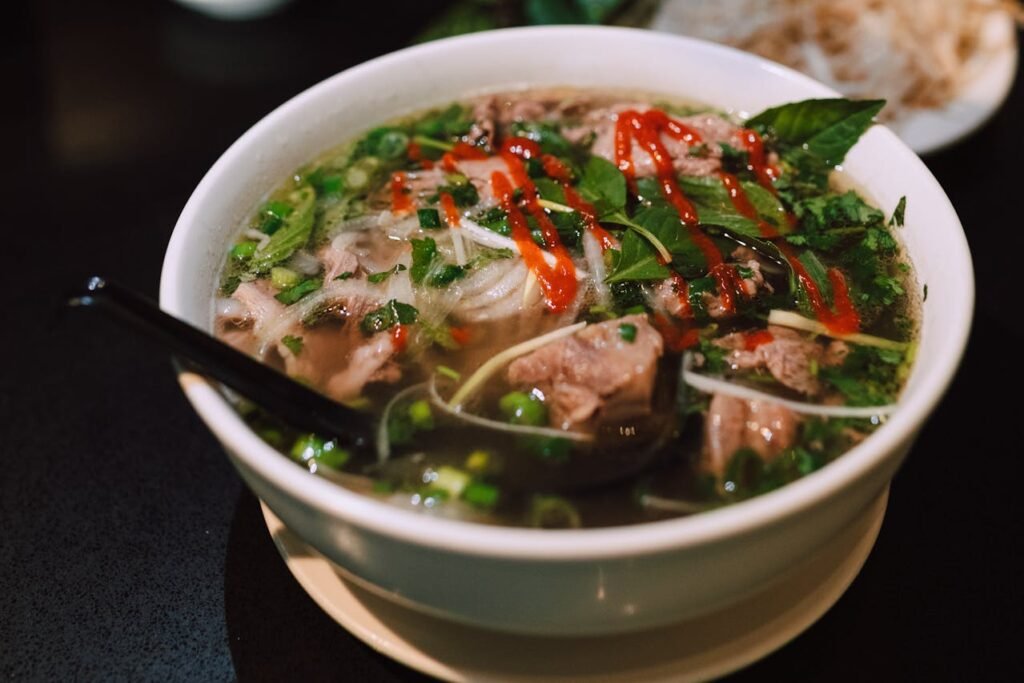
When dining out, the quality of the Pho Garnish Plate is often a litmus test for the restaurant’s overall standards. You want to see vibrant greens and crisp whites. If the fresh cilantro looks wilted or the bean sprouts have turned brown at the tips, the ingredients may have been sitting out too long. Freshness is paramount because these items are consumed raw, relying on their natural phytonutrients to provide both flavour and function.
Vietnamese street food culture prides itself on farm-to-table speed. Even in a bustling UK city, the best eateries prioritise daily deliveries of these delicate herbs to ensure the most authentic experience possible.
How to Store Garnish Ingredients at Home
If you are making Pho at home, storing your Pho Garnish Plate ingredients correctly is vital. Herbs like basil and cilantro should be treated like a bouquet of flowers—placed in a glass of water with a loose plastic bag over the top. This prevents them from drying out in the fridge. Bean sprouts should be kept in a container of water, changed daily, to maintain their crunch. Proper storage ensures you get the most out of these therapeutic plants.
Frequently Asked Questions (FAQs)
Can I eat the Pho Garnish Plate ingredients raw?
Yes, the ingredients on a Pho Garnish Plate are designed to be eaten raw. The heat of the broth will slightly wilt the herbs and sprouts, making them easier to digest while retaining their vitamins. If you have a sensitive immune system, you can ask the restaurant to blanch the bean sprouts in boiling water before serving.
Is Pho healthy for weight management?
Generally, yes. Pho is a high-protein, relatively low-calorie meal, especially if you load up on the Vietnamese cuisine staples found on the garnish plate. The broth is hydrating, and the bird’s eye chili can provide a temporary thermogenic boost. To keep it even lighter, you can request extra vegetables instead of a full portion of rice noodles.
What if I don’t like coriander (cilantro)?
You aren’t alone! Some people have a genetic trait that makes cilantro taste like soap. Simply set the fresh cilantro aside or ask the server to omit it. The Pho Garnish Plate is all about customisation, so feel free to double up on the Thai basil or sawtooth herb instead to maintain that herbaceous depth.
Are the garnishes the same for all types of Pho?
Mostly, but there are subtle differences. Beef Pho (Pho Bo) typically comes with the full array of herbs. Chicken Pho (Pho Ga) is sometimes served with thinner slices of kaffir lime leaf or ginger to complement the lighter meat. Regardless of the protein, the core components of the Pho Garnish Plate remain the gold standard for achieving a balanced bowl.
For more information on the benefits of spicy foods and capsaicin, visit Medical News Today, or explore the science of aromatics at ScienceDirect.