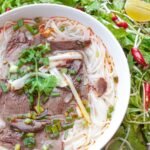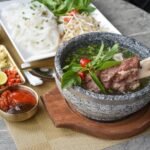
When most people think of Vietnamese cuisine, a steaming bowl of noodle soup usually comes to mind. However, tucked away in the scenic Pleiku region of the Central Highlands, a different culinary masterpiece awaits. Pho Khô, often referred to as “dry pho” or Pho Hai To (two-bowl pho), offers a deconstructed, textured experience that has captivated food enthusiasts and health-conscious diners alike. This dish is a cornerstone of Central Highlands cuisine, providing a unique twist on the traditional flavours we have come to love.
Unlike its soup-based cousin, Pho Khô focuses on the integrity of individual ingredients. It is served as two separate entities: a bowl of chewy, seasoned noodles and a bowl of clear, piping-hot broth. This allows you to control your flavour profile while enjoying a protein-rich breakfast that keeps you satiated throughout the morning. In this guide, we will explore the nutritional value, cultural significance, and the best way to enjoy this regional gem.
What Exactly is Pho Khô?
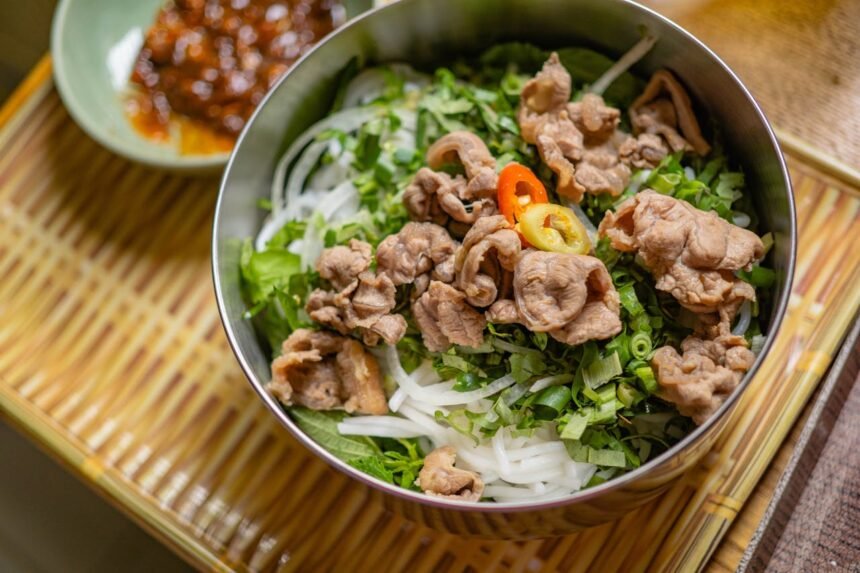
At its heart, Pho Khô is an exercise in balance. The noodles used are distinct from the flat, soft ribbons found in Hanoi-style pho. Instead, they resemble rice vermicelli alternatives, being thinner, firmer, and slightly chewy. These gluten-free rice noodles are blanched to perfection and then tossed in a savoury mix of fats and seasonings.
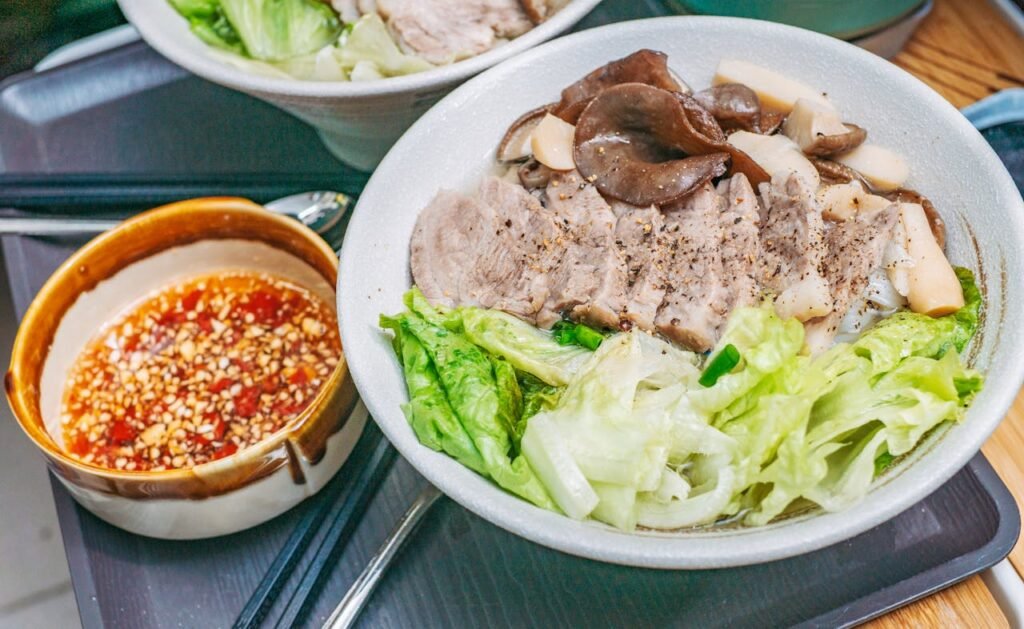
The “dry” bowl typically contains:
- Blanched rice noodles seasoned with charred onions and garlic oil.
- Minced pork or shredded chicken.
- Crispy fried shallots for added texture.
- A side of fresh herbs and sprouts, providing essential dietary fibre in vegetables.
The second bowl is a concentrated beef or chicken stock, often featuring tender beef slices, beef balls, or rare brisket. By separating the liquid, the noodles maintain their “al dente” texture, a preference often discussed in food science research regarding starch retrogradation.
The Nutritional Profile of Dry Pho
From a health perspective, Pho Khô is a remarkably well-rounded meal. Because the components are separated, diners can easily monitor their intake of sodium and fats. According to World Health Organization guidelines for a healthy diet, balancing macronutrients is key to long-term wellness.
The inclusion of Gia Lai dry noodles provides complex carbohydrates for sustained energy. Meanwhile, the side bowl of broth offers significant beef broth benefits, including amino acids and minerals like magnesium and phosphorus. For those looking for balanced meal inspiration according to the NHS, this dish ticks many boxes.
Comparing Pho Khô and Traditional Pho Soup
Understanding the differences between these two styles can help you make better choices for your specific dietary needs, especially if you are looking for low-calorie noodle options.
| Feature | Traditional Pho (Soup) | Pho Khô (Dry) |
|---|---|---|
| Noodle Texture | Soft and absorbent | Chewy and firm (Gia Lai style) |
| Sodium Control | Harder to manage (noodles soak in broth) | Easier (broth is sipped separately) |
| Caloric Density | Moderate | Variable (depending on sauce usage) |
| Key Flavours | Cinnamon, star anise, ginger | Savory fermented soy bean paste and garlic |
Health Benefits: Why Your Body Will Thank You
Beyond the delicious Southeast Asian flavours, Pho Khô offers several physiological benefits. As we age, maintaining muscle mass and bone health becomes a priority, and the ingredients found in this dish support those goals.
1. Digestive Health and Fermentation
One of the most important traditional Vietnamese condiments served with dry pho is “tuong den” or fermented soy bean paste. Fermented foods are well-recognised for their role in supporting a healthy gut microbiome. Research published in Nature Portfolio suggests that fermented soy products can improve digestive efficiency and may even have anti-inflammatory effects.
2. Hydration and Electrolytes
The accompanying bowl of broth is one of the best hydrating soups available in Vietnamese street food. Rich in electrolytes, it helps replenish the body, especially in humid climates. Proper hydration is essential for cognitive function and metabolic health, as noted by Harvard Health Publishing.
3. Lean Protein for Satiety
Whether you choose beef or chicken, the protein content in Pho Khô helps regulate appetite-controlling hormones. For individuals managing their weight, high-protein meals can prevent overeating later in the day. This aligns with Mayo Clinic’s nutritional advice on protein consumption.
The Art of the “Two-Bowl” Ritual
Enjoying Pho Khô is about more than just eating; it is an immersion into culinary traditions. To eat it like a local, follow these steps:
- Season the noodles: Add a spoonful of the dark soy paste, a squeeze of lime, and some fresh chilli to the dry bowl. Mix thoroughly until the noodles are evenly coated.
- Prepare the greens: Add basil, coriander, and blanched bean sprouts. This adds crunch and increases your intake of vitamins A and C.
- Sip the broth: Take a spoonful of the clear broth between bites of noodles to cleanse the palate. This contrast is what makes the dish famous.
- Adjust for Sodium: If you are monitoring your salt intake, be mindful of how much sauce you add. The American Heart Association recommends limiting sodium to support cardiovascular health.
For those with specific health conditions like type 2 diabetes, choosing the chicken version and doubling the vegetable portion is a great way to manage blood glucose levels. More information on managing starch intake can be found at Diabetes UK.
Is Pho Khô Suitable for Everyone?
While Pho Khô is naturally gluten-free (since it utilises rice noodles), those with soy allergies should be cautious of the fermented bean paste. Additionally, if you are on a strictly low-sodium diet, you should ask for the broth to be prepared without added MSG or excess salt. The FDA provides excellent resources on how to navigate restaurant menus while keeping sodium in check.
If you are looking for more ways to incorporate healthy, starchy foods into your diet, the British Nutrition Foundation offers comprehensive guides on making the best choices for your lifestyle. Pho Khô serves as a perfect example of how traditional meals can be both culturally rich and nutritionally sound.
Summary
Pho Khô is a vibrant, customisable, and healthy alternative to traditional noodle soups. By offering a balance of lean protein, hydrating broth, and dietary fibre in vegetables, it stands out as a superior choice for those wanting to explore the depth of Vietnamese flavours. For more insights into the health benefits of bone-based broths, you can read further on WebMD or explore digestive health tips at Johns Hopkins Medicine.
Frequently Asked Questions (FAQs)
Is Pho Khô gluten-free?
Yes, the primary ingredient is gluten-free rice noodles. However, you should always check the ingredients in the traditional Vietnamese condiments, as some soy sauces or pastes may contain traces of wheat. For more on gluten-free living, visit the CDC’s healthy eating page.
How many calories are in a serving of Pho Khô?
On average, a standard serving contains between 450 and 600 calories. This can vary based on the type of meat and the amount of oil used to season the noodles. It is considered a moderate-calorie meal, especially when compared to processed fast foods. You can find more details on calorie counting via the British Dietetic Association.
Can I make Pho Khô at home?
Absolutely! The key is finding high-quality rice noodles and simmering a clean, clear broth for several hours to unlock the beef broth benefits. Focus on fresh herbs and quality protein to replicate the authentic taste of Pleiku. For more on the general healthiness of Pho, see Healthline’s analysis of Vietnamese soup.