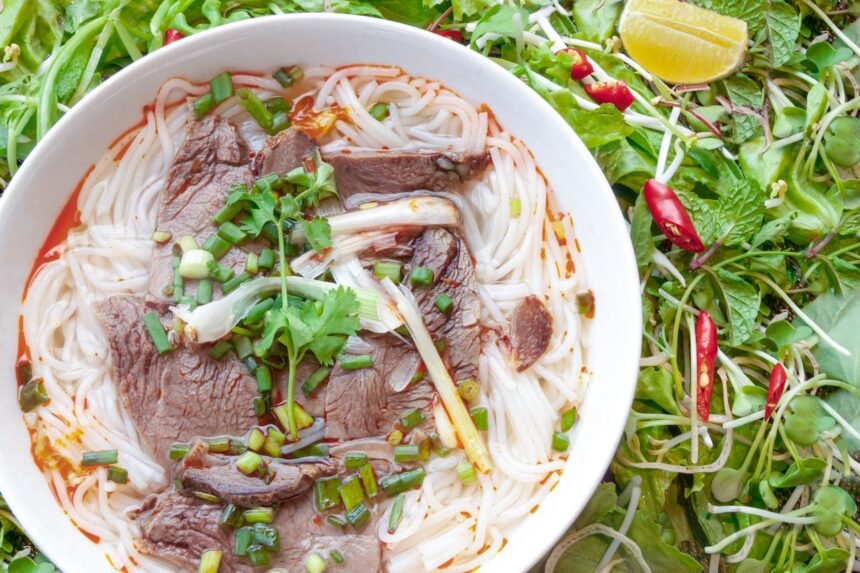
When you think of Vietnamese cuisine, the first thing that likely springs to mind is a steaming bowl of traditional Pho Bo. However, there is a sophisticated, deeper, and more robust sibling to the classic noodle soup that often steals the hearts of those seeking ultimate comfort food: Pho Sốt Vang. This dish is a magnificent example of culinary fusion, blending the delicate traditions of Vietnamese street food with the rich, bold techniques of French cooking.
Whether you are wandering the misty streets of Hanoi on a chilly morning or looking for winter warming recipes to brighten your kitchen, Pho Sốt Vang offers a nutritional punch and a flavour profile that is hard to beat. In this guide, we will explore everything from its unique history to why this rice noodle soup is a powerhouse for your health.
The Fascinating Fusion of Pho Sốt Vang
The name “Sốt Vang” literally translates to “wine sauce,” a nod to the French influence that reshaped Vietnamese gastronomy during the colonial era. While traditional Pho relies on a clear, light broth, Pho Sốt Vang utilises a red wine reduction and a variety of aromatic spices to create a thick, fragrant, and crimson-coloured stew. It is essentially the Vietnamese take on Boeuf Bourguignon, adapted to suit local palates and served over silky rice noodles.
This dish is more than just a meal; it is a piece of history. To understand how flavours evolve, researchers often look at historical interactions in Indochina, which paved the way for such unique cross-cultural dishes.
Nutritional Benefits: Why It’s Good For You
Beyond its incredible taste, Pho Sốt Vang is packed with essential nutrients. Because it features slow-cooked beef, usually tough cuts like brisket or tendon, it is exceptionally rich in collagen and amino acids.
- High-Quality Protein: A protein-rich diet is essential for muscle repair and metabolic health. You can learn more about daily requirements from the NHS protein guide.
- Iron and Zinc: Beef is a primary source of heme iron, which is vital for preventing fatigue. The Mayo Clinic highlights iron’s role in oxygen transport throughout the body.
- Anti-inflammatory Spices: The inclusion of ginger and garlic provides a ginger anti-inflammatory boost, which is excellent for the immune system. Healthline notes that ginger can significantly reduce oxidative stress.
- Digestive Support: The bone broth base is widely recognised for supporting gut health and soothing the lining of the digestive tract, as discussed in Nature’s research on the microbiome.
The Secret Ingredients of Pho Sốt Vang
What sets Pho Sốt Vang apart from your standard beef stew is the complex layering of flavours. The magic lies in the balance of earthy, sweet, and savoury notes. Key components include:
- Star Anise and Cinnamon: These provide the “soul” of the Pho flavour. ScienceDirect explores star anise benefits, noting its potent antimicrobial properties. Meanwhile, WebMD confirms cinnamon’s role in managing blood sugar.
- Red Wine: Usually a dry red, which adds acidity and depth. The antioxidants in red wine, such as resveratrol, are often cited by Harvard Health for their heart-protective qualities.
- Annatto Seed Oil: This gives the broth its signature vibrant orange-red colour.
- Tender Beef: The use of shin or flank ensures the meat becomes melt-in-the-mouth tender after hours of simmering.
Comparing Traditional Pho vs. Pho Sốt Vang
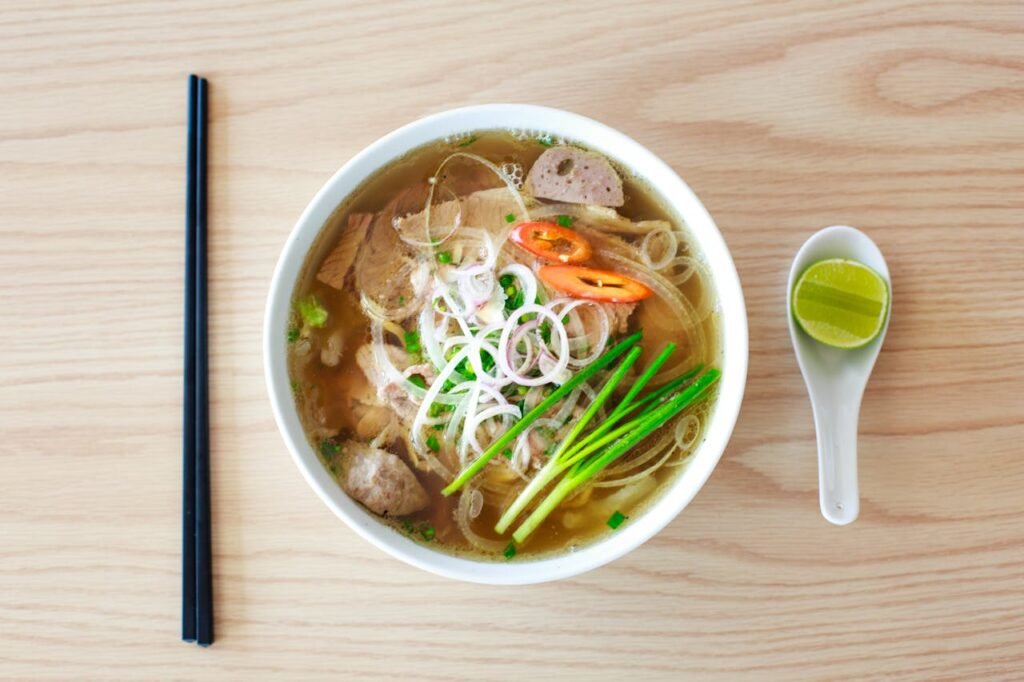
If you are deciding which bowl to order, it helps to understand the structural differences between these two Vietnamese icons. Here is a quick comparison table:
| Feature | Traditional Pho Bo | Pho Sốt Vang |
|---|---|---|
| Broth Consistency | Clear and light | Rich, thick, and stew-like |
| Primary Fat/Oil | Beef marrow/tallow | Annatto oil and butter |
| Dominant Flavour | Clean, herbal, salty | Deep, aromatic, slightly sweet |
| Key Alcohol | None | Red wine (Bordeaux style) |
| Beef Texture | Thinly sliced (raw or cooked) | Chunky, slow-braised cubes |
Mastering the Slow-Cooking Process
The beauty of Pho Sốt Vang lies in patience. Unlike a quick stir-fry, this dish requires several hours to allow the connective tissues in the beef to break down into gelatine. This process not only improves the texture but also enhances the nutritional bioavailability of the minerals. Medical News Today explains that bone broth benefits are maximised through long simmering times.
When cooking at home, utilizing a slow-cooked beef method allows the star anise benefits to fully infuse into the liquid. It is a perfect nutritious breakfast option in Northern Vietnam, providing long-lasting energy for the day ahead. For those monitoring their intake, Verywell Fit offers tools to calculate the exact caloric density of your home-made stew.
Pro Tips for the Perfect Broth:
- Sear the Beef: Always brown your beef cubes first to trigger the Maillard reaction, which adds immense depth.
- Deglaze the Pan: Use your red wine to scrape up the browned bits (fond) from the bottom of the pot.
- Balance the Acidity: If the broth feels too heavy, a squeeze of lime at the end can brighten the entire dish. The World Health Organization recommends incorporating fresh garnishes to maintain a balanced vitamin intake.
A Note on Wellness and Digestion
For many, Pho Sốt Vang is the ultimate “healing” meal. The combination of warm spices and bioavailable minerals makes it an excellent choice for recovery. According to the Cleveland Clinic, an anti-inflammatory diet rich in spices like those found in Pho can help manage chronic swelling and joint pain. Additionally, the Academy of Nutrition and Dietetics emphasises the importance of amino acids found in braised meats for overall tissue health.
For those interested in the science of flavour, Examine.com provides data on polyphenols found in the spices and wine used in this dish, suggesting they may offer protective effects against cellular damage.
Frequently Asked Questions (FAQs)
Is Pho Sốt Vang gluten-free?
Generally, yes. The primary starch used is rice noodles, which are naturally gluten-free. However, you should always check the soy sauce or seasonings used in the red wine reduction, as some brands may contain wheat. Using high-quality, authentic ingredients is key to a healthy slow-cooking experience.
Can I make this dish without alcohol?
While the “Sốt Vang” name implies wine, you can substitute the red wine with a mixture of beef stock and a tablespoon of balsamic vinegar or pomegranate juice to mimic the acidity and tannins. This ensures the dish remains a comfort food staple for those who avoid alcohol.
How long can I store Pho Sốt Vang?
Like most stews, Pho Sốt Vang often tastes better the next day. It can be stored in an airtight container in the fridge for up to 3 days or frozen for up to 2 months. Reheat it gently on the stove to maintain the texture of the beef.
Is it suitable for weight loss?
Because it is a protein-rich diet option, it can be quite satiating. To make it more weight-loss friendly, increase the proportion of herbs and bean sprouts while slightly reducing the portion of rice noodles. You can find more tips on collagen and satiety at Verywell Health.
What are the best noodles for this dish?
Traditional “Bánh Phở” (flat rice noodles) are the standard choice. They absorb the rich broth perfectly. Ensure you don’t overcook them, as they should have a slight “al dente” bite to complement the slow-cooked beef.
In summary, Pho Sốt Vang is a masterful blend of history, health, and heartiness. By combining the aromatic spices of the East with the culinary techniques of the West, it offers a unique dining experience that nourishes both the body and the soul.