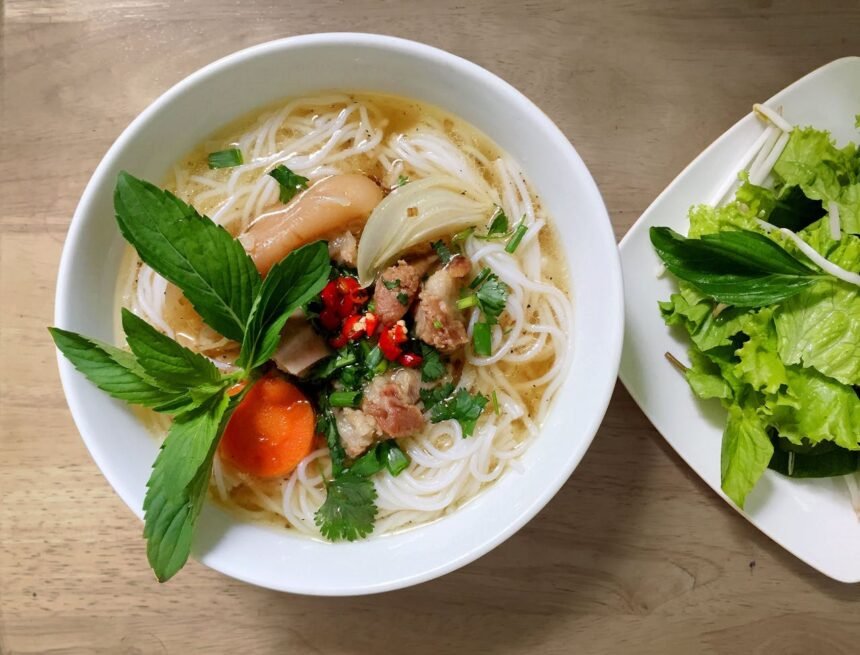
When you think of Vietnamese food, your mind likely drifts to a steaming bowl of aromatic broth. However, there is a vibrant, “dry” alternative taking the culinary world by storm: Pho Tron. Translating literally to “mixed pho,” this dish swaps the heavy soup for a light, zingy dressing, making it the perfect healthy eating choice for warmer weather or a quick lunch.
Unlike its soupy sibling, Pho Tron focuses on the texture of the rice noodles and the crunch of fresh vegetables. It is a staple of Vietnamese street food that manages to be both indulgent and incredibly nutrient-dense. In this guide, we will explore why this dish deserves a spot in your weekly rotation and how its heart-healthy ingredients can support your wellbeing.
What Makes Pho Tron Different?
The primary difference between traditional Pho and Pho Tron is the absence of a large volume of broth. In Pho Tron, the noodles are tossed in a savoury, sweet, and tangy sauce—usually a variation of nuoc cham (a fermented fish sauce dressing). This allows the natural flavours of the fresh herbs and protein to shine without being diluted.
From a nutritional perspective, this traditional Vietnamese cuisine offers a balanced profile of macronutrients. Because the noodles are usually boiled and drained rather than simmered in fatty marrow bones for hours, it can often serve as a low-calorie dinner option for those monitoring their energy intake.
A Comparison: Pho Tron vs. Traditional Pho
To help you decide which bowl fits your dietary goals, consider the following breakdown:
| Feature | Traditional Pho (Soup) | Pho Tron (Dry) |
|---|---|---|
| Calorie Density | Moderate to High | Lower (depending on sauce) |
| Sodium Content | Often high due to broth | Controllable via dressing |
| Texture | Soft and comforting | Crunchy and refreshing |
| Best For | Winter/Cold recovery | Summer/Quick lunches |
The Nutritional Powerhouse: Ingredients That Matter
Pho Tron is more than just a tasty meal; it is a collection of nutrient-dense recipes in one bowl. Let’s look at the health benefits of its core components:
- Rice Noodles: These are naturally gluten-free. For those following a gluten-free diet, rice noodles provide a safe source of complex carbohydrates to fuel your day.
- Lean Protein: Whether you choose beef, chicken, or tofu, Pho Tron prioritises protein-rich meals. According to Healthline, adequate protein is essential for muscle repair and metabolic health.
- Fresh Herbs: Mint, Thai basil, and coriander are non-negotiable. Research published in Nature suggests that the bioactive compounds in culinary herbs have significant antimicrobial properties.
- Crunchy Toppings: Crushed peanuts add healthy fats and manganese, a mineral vital for bone health and blood sugar regulation, as noted by WebMD.
Why Your Gut Will Thank You
The dressing used in Pho Tron often contains lime juice, garlic, and chilli. These ingredients do more than just provide flavour; they support gut health. Garlic acts as a prebiotic, feeding the “good” bacteria in your microbiome. Furthermore, Harvard Health highlights the importance of a diverse diet in maintaining a robust digestive system.
The inclusion of antioxidant-rich vegetables like bean sprouts, carrots, and cucumbers adds essential fibre. The British Nutrition Foundation recommends increasing fibre intake to lower the risk of heart disease and type 2 diabetes.
The Role of Aromatics
One cannot ignore coriander benefits when discussing Vietnamese food. Often used as a garnish, coriander contains oils that may help settle an upset stomach. Experts at the Mayo Clinic suggest that replacing salt with herbs like coriander can significantly reduce your daily sodium intake.
How to Assemble the Perfect Healthy Pho Tron Bowl
Creating this dish at home is an excellent way to practice batch cooking. You can prepare the components ahead of time and assemble them in minutes. Follow these steps for a balanced meal:
- Prepare the base: Cook rice noodles according to package instructions, then rinse with cold water to keep them firm.
- Choose your protein: Sear lean beef strips or steam chicken breast. For a vegan option, crispy tofu works beautifully.
- Add the “Crunch”: Shred carrots, cucumbers, and plenty of bean sprouts. These are the primary antioxidant-rich vegetables in the dish.
- Whisk the sauce: Mix fish sauce (or vegan alternative), lime juice, minced garlic, and a touch of coconut sugar. This provides the signature “tang” without excessive carbohydrates.
- Garnish: Top with fresh mint, coriander, and a sprinkle of roasted peanuts.
Heart Health and Pho Tron
Maintaining a healthy cardiovascular system involves reducing saturated fat and processed sugars. Because Pho Tron relies on fresh produce and steaming/searing rather than deep-frying, it aligns with the British Heart Foundation guidelines for heart-healthy eating. The capsaicin found in the chillies used in the dressing has also been linked to improved circulation and reduced inflammation in studies found on ScienceDirect.
Food Safety and Preparation
As with all Vietnamese street food-inspired dishes, food safety is paramount. Ensure your sprouts are washed thoroughly and proteins are cooked to the correct internal temperature. The Food Standards Agency provides excellent resources on avoiding cross-contamination during meal prep.
The Bottom Line
Pho Tron is a versatile, refreshing, and incredibly healthy alternative to traditional noodle soups. By focusing on fresh herbs, lean proteins, and nutrient-dense vegetables, it provides a meal that satisfies the palate while supporting long-term health goals. Whether you are looking for a WHO-recommended healthy diet or simply a delicious new recipe, Pho Tron is a must-try.
Frequently Asked Questions (FAQs)
Is Pho Tron suitable for vegetarians?
Yes! Pho Tron is easily adapted for vegetarians. Simply substitute the meat for grilled tofu or mushrooms and use a vegan “no-fish” sauce made from fermented soybeans or seaweed to maintain that classic umami flavour.
Can I eat Pho Tron if I am on a weight loss journey?
Absolutely. Because it is a low-calorie dinner option that is high in protein and fibre, it helps promote satiety (the feeling of fullness). For more tips on weight management, visit Medical News Today.
How long does Pho Tron stay fresh?
While the noodles and protein can be stored in the fridge for up to 3 days, it is best to keep the sauce and fresh herbs separate until you are ready to eat. This prevents the noodles from becoming soggy and keeps the herbs from wilting. For best results, follow batch cooking safety tips from BBC Good Food.
Does Pho Tron contain high amounts of sugar?
The sugar content in Pho Tron primarily comes from the dressing. By making it at home, you can control the amount of sweetness or use natural alternatives like stevia or monk fruit. Monitoring sugar is vital for metabolic health, as highlighted by the World Health Organization.