Almonds are frequently touted as one of the world’s most nutrient-dense foods. They are packed with healthy fats, fiber, protein, magnesium, and vitamin E. However, like many nuts, seeds, legumes, and grains, almonds contain a natural compound known as phytic acid. In recent years, phytic acid has garnered a reputation as an “anti-nutrient,” leading many health-conscious individuals to question whether they should be limiting their almond intake or processing them in specific ways, such as soaking or sprouting.
The concern primarily revolves around nutrient absorption. Does the phytic acid in almonds prevent your body from utilizing the essential minerals found in the nut itself? Or is this compound actually a beneficial antioxidant that protects against chronic disease? The answer is nuanced and depends largely on your overall diet and health status.
This article explores the science behind phytic acid in almonds, investigating whether you should be concerned and how to optimize your diet for maximum nutrient bioavailability.
Quick Facts
- What it is: Phytic acid (inositol hexaphosphate) is the storage form of phosphorus in plant seeds.
- The Concern: It can bind to minerals like iron, zinc, and calcium, reducing their absorption in the digestive tract.
- The Benefit: It acts as a potent antioxidant and may have anticancer properties.
- Dietary Context: For people eating a balanced, omnivorous diet, phytic acid is rarely a health concern.
- Risk Groups: Vegetarians, vegans, and those with mineral deficiencies may need to monitor intake or use preparation methods like soaking.
- Preparation: Soaking and sprouting can reduce phytic acid levels, though the extent of reduction varies.
What Is Phytic Acid?
Phytic acid constitutes the primary storage form of phosphorus in many plant tissues, especially in the bran and seeds. Chemically, it is known as inositol hexaphosphate (IP6). When phytic acid is consumed in foods like almonds, it can bind to certain minerals in the digestive tract before your body has a chance to absorb them.
When phytic acid binds to a mineral, it forms a compound called a phytate. Because humans lack the enzyme phytase in sufficient quantities to break down phytates effectively, these bound minerals often pass through the digestive system unabsorbed. This mechanism is why phytic acid is frequently labeled an anti-nutrient.
However, it is important to understand that this “anti-nutrient” effect is temporary and meal-specific. Phytic acid only inhibits the absorption of minerals consumed in that specific meal. It does not leach minerals that are already stored in your body tissues or bones.
Phytic Acid Content in Almonds
Almonds contain a moderate to high amount of phytic acid compared to other plant foods. The concentration can vary significantly depending on the variety of almond, the growing conditions, and the soil quality. Generally, the phytic acid in almonds is concentrated in the brown skin (the seed coat).
Research indicates that almonds may contain anywhere from 0.4% to 9.4% phytic acid, though most commercially available varieties fall in the lower to middle range. While this might sound high, it is comparable to other nuts like walnuts and hazelnuts, and often lower than certain grains and legumes.
For the average person, the nutritional benefits of almonds—such as their high content of heart-healthy monounsaturated fats—far outweigh the potential negatives of phytate content. You can read more about the health benefits of almonds in our detailed guide.
The Mineral Absorption Issue
The primary argument against phytic acid is its ability to chelate (bind) positively charged minerals. The three minerals most affected by phytic acid are iron, zinc, and calcium.
Iron Absorption
Iron deficiency is the most common nutritional deficiency worldwide. Phytic acid can significantly impede the absorption of non-heme iron (the type of iron found in plants). According to the National Institutes of Health (NIH), bioavailability of iron from a vegetarian diet is significantly lower than from a mixed diet, partly due to phytates.
However, this interaction is complex. If you consume almonds with foods rich in Vitamin C, the absorption inhibition can be largely counteracted. Vitamin C is a powerful enhancer of iron absorption. If you are struggling with low iron levels, check our guide on foods high in iron to plan your meals strategically.
Zinc Bioavailability
Zinc is crucial for immune function and cell division. Unlike iron, the body does not have a specialized storage system for zinc, making daily intake vital. Phytic acid has a strong affinity for zinc. A study published in PubMed highlights that a high molar ratio of phytate to zinc in the diet can be a strong predictor of zinc deficiency.
Vegetarians who rely heavily on grains and legumes are at higher risk. If you suspect you aren’t getting enough of this mineral, it is important to recognize the symptoms of zinc deficiency early.
Calcium and Magnesium
While phytic acid can bind calcium and magnesium, the effect is generally considered less critical than with iron and zinc. Almonds themselves are a source of calcium. Even if some calcium is bound by phytates, almonds still contribute to your overall intake. For those concerned about bone health, incorporating diverse calcium-rich foods like dairy or fortified plant milks can mitigate any loss.
The Flip Side: Health Benefits of Phytic Acid
It is scientifically inaccurate to view phytic acid solely as a villain. In recent decades, researchers have identified several potential health benefits associated with phytates, suggesting they may play a protective role in the body.
Antioxidant Properties
Phytic acid acts as an antioxidant. By binding to free iron radicals in the gut, it may prevent the formation of harmful free radicals that can cause oxidative stress. This mechanism suggests that phytic acid could help reduce inflammation. You can explore more about how digestion impacts overall health in our digestive health basics overview.
Cancer Prevention Research
There is compelling preliminary evidence suggesting that phytic acid may have anti-cancer properties. Studies reviewed in the Journal of Nutrition and Metabolism have shown that IP6 (phytic acid) inhibits the growth of cancer cells in laboratory settings, particularly for colon cancer. The theory is that by binding excess minerals in the gut, phytates prevent the oxidative damage that can trigger cancerous changes in intestinal cells.
Kidney Stone Prevention
Some clinical research suggests that dietary phytate might inhibit the crystallization of calcium salts, potentially reducing the risk of kidney stones. A study found in PubMed indicates that women with higher dietary phytate intake had a lower risk of kidney stone formation.
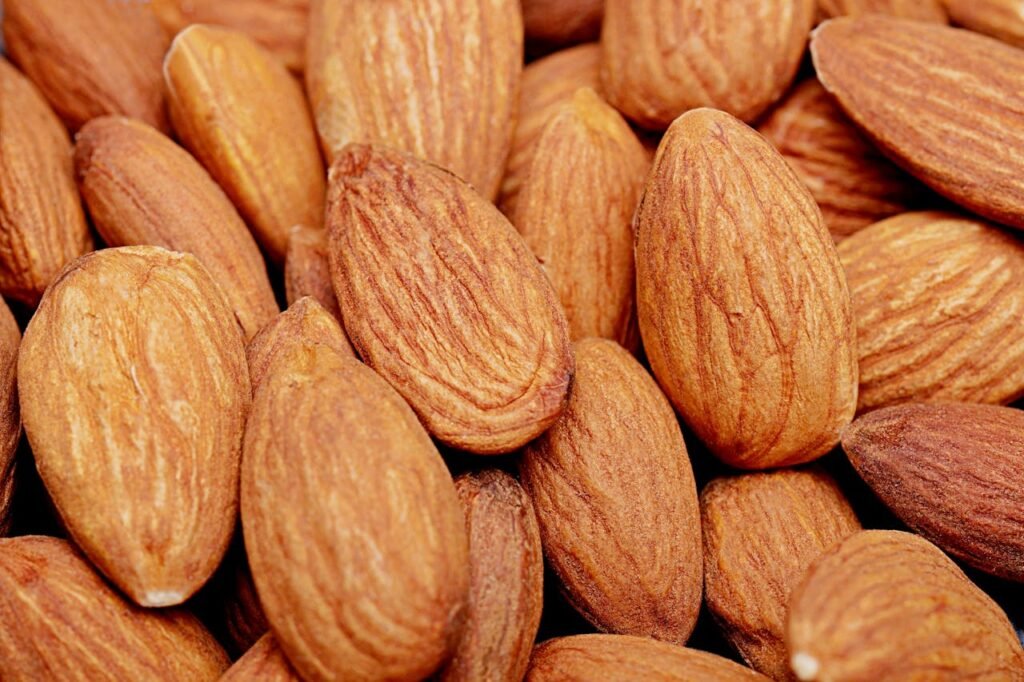
Should You Soak or Sprout Almonds?
Given the dual nature of phytic acid, many health enthusiasts advocate for soaking or sprouting nuts to “activate” them. This process mimics the natural germination of the seed, which activates native enzymes like phytase that break down phytic acid.
The Science of Soaking
Soaking almonds in water for 12 to 24 hours can reduce the phytic acid content, but the results are mixed. Unlike legumes, which show a significant drop in phytates after soaking and cooking, the reduction in almonds is modest. This is because the skin of the almond acts as a barrier, and the water may not penetrate deeply enough to activate substantial enzymatic activity without proper temperature control.
However, soaking does make almonds softer and easier to digest for many people. If you are interested in trying this method, read our step-by-step guide on how to sprout nuts properly.
Removal of the Skin
Since the majority of phytic acid is located in the bran or skin of the almond, blanching almonds to remove the skin (creating “blanched almonds”) is the most effective way to reduce phytate content. However, the skin is also where the vast majority of the almond’s antioxidants and phenols are stored. By removing the skin, you reduce the anti-nutrient load but also strip away significant beneficial compounds.
According to research from the Academy of Nutrition and Dietetics, keeping the skin on is generally recommended for the general population to maximize fiber and antioxidant intake.
Who Should Be Concerned?
For the vast majority of people, the phytic acid in almonds is not a cause for concern. If you eat a varied diet that includes animal products (which enhance mineral absorption) and plenty of fruits and vegetables, your mineral status is likely secure.
However, specific groups should pay closer attention:
- Strict Vegans and Vegetarians: Since plant-based iron (non-heme) is harder to absorb and plant diets are naturally high in phytates, these groups are at higher risk of deficiency.
- Those with Mineral Deficiencies: Individuals already diagnosed with iron deficiency anemia or zinc deficiency should be mindful of food combining.
- People with Malabsorption Issues: Conditions like Celiac disease or Crohn’s disease can impair mineral uptake, making dietary inhibitors more impactful.
If you fall into these categories, consulting a balanced diet guide or a healthcare professional is advisable.
Practical Strategies to Optimize Nutrition
You do not need to cut almonds out of your diet to avoid mineral deficiencies. Instead, use these science-backed strategies to offset the effects of phytic acid:
1. Pair with Vitamin C
As mentioned earlier, Vitamin C is a potent absorption enhancer. Eating almonds alongside strawberries, citrus fruits, or bell peppers can neutralize the phytate effect on iron. Read more about vitamin C absorption to understand this synergy.
2. Use Vinegar or Acidic Dressings
Acids can help break down phytates and improve mineral solubility. Adding a balsamic vinaigrette to a salad containing almonds is a tasty way to improve absorption.
3. Consider Probiotics
Certain gut bacteria produce the phytase enzyme. Maintaining a healthy microbiome may improve your body’s ability to degrade phytic acid naturally. Research from ScienceDirect highlights how lactobacillus bacteria can assist in phytate degradation.
4. Supplement Wisely
If you take mineral supplements like magnesium or zinc, take them apart from high-phytate meals. Taking your multivitamin with a breakfast of oats and almonds might be less effective than taking it with a lower-phytate lunch.
The Bottom Line
Phytic acid in almonds is a classic example of nutritional nuance. While it is technically an “anti-nutrient” that can inhibit the absorption of iron, zinc, and calcium, it is also a beneficial antioxidant with potential anti-cancer properties. For most healthy individuals eating a diverse diet, the phytic acid content in almonds is not something to lose sleep over.
The benefits of almonds—including their healthy fats, protein, and ability to lower cholesterol—are well-documented by major health organizations like the World Health Organization (WHO) and the Harvard T.H. Chan School of Public Health. Avoiding them solely due to phytic acid would likely result in a net negative for your nutritional health.
If you are a strict vegetarian or have a known mineral deficiency, consider soaking your almonds or simply consuming them apart from your primary mineral-rich meals. For everyone else, enjoy your almonds—skins and all—as part of a healthy, balanced lifestyle.