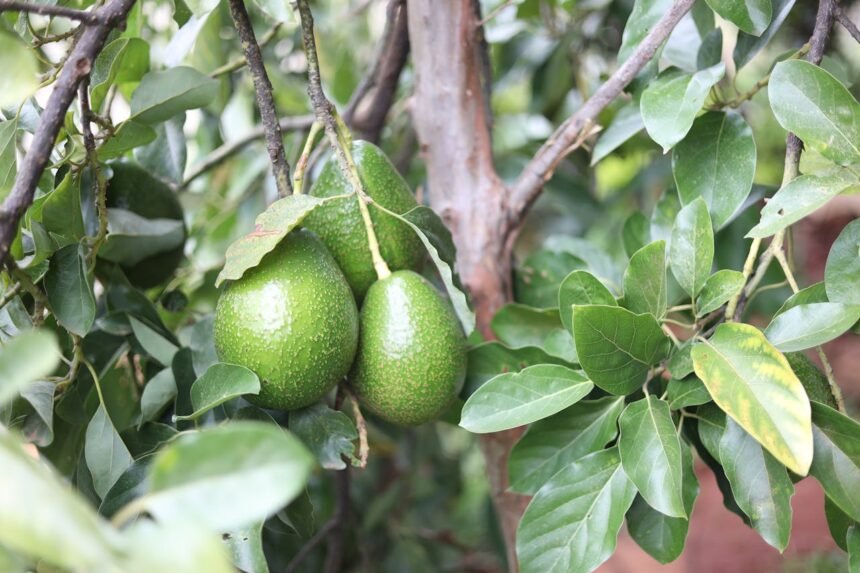
Avocados are more than just a toast topping or a guacamole ingredient; they are a nutritional powerhouse and a symbol of modern healthy living. For many gardening enthusiasts, the ultimate dream is cultivating their own Persea americana tree. However, unlike hardy apples or robust oaks, avocados have very specific environmental requirements.
Success or failure often comes down to a single, critical factor: planting avocado trees in zone-appropriate conditions. Hardiness zones, defined by minimum temperature ranges, dictate whether this subtropical native will thrive, merely survive, or succumb to the elements.
Understanding the interplay between your local climate and the specific avocado variety you choose is not just helpful—it is essential. While we often associate avocados with the sunny climates of Mexico or California, careful planning can expand their range.
This guide explores the science of hardiness zones, the symptoms of climate incompatibility, and the management strategies required to grow a healthy tree.
Overview
When horticulturists discuss “zones”, they are typically referring to the USDA Hardiness Zone Map, or its equivalents in the UK (RHS Hardiness Ratings). These systems divide regions based on their average annual minimum winter temperature.
Avocado trees are broadly classified into three ecological races: Mexican, Guatemalan, and West Indian. Each race has a different tolerance for cold. Generally, avocados thrive in zones 9 through 11, where temperatures rarely drop below freezing.
However, planting avocado trees in zone 8 or even zone 7 is becoming increasingly possible with the right microclimate modifications and cold-hardy varieties. The Mexican race, for example, is the most cold-tolerant, capable of withstanding temperatures slightly below -6°C (20°F) for short periods.
Conversely, the West Indian varieties are true tropicals and will suffer significant damage if temperatures approach freezing. Understanding where your garden falls on this spectrum is the first step in your cultivation journey.
It is also important to note that “zone” is not just about cold. It implies the length of the growing season, heat accumulation, and humidity levels—all of which play a pivotal role in fruit set and maturation.
Symptoms of Climate Stress
When an avocado tree is planted in an incompatible zone, it communicates its distress through visible physiological symptoms. Recognising these early can save your tree.
Cold Injury Symptoms
If you are attempting planting avocado trees in zone 8 or lower without protection, the most immediate threat is frost.
Leaf Burn and Discolouration: The first sign of cold stress is usually the browning or blackening of the leaf tips and margins. If the cold persists, the entire leaf may wilt, turn brown, and remain attached to the stem.
Stem Splitting: In severe freezes, the water inside the young branches freezes and expands, causing the bark to split. This opens the tree up to bacterial and fungal infections.
Flower Drop: If a late frost hits during the flowering season (spring), the tree will drop its blooms, resulting in a year with zero fruit production.
Heat and Aridity Symptoms
Conversely, planting in a zone that is hot but lacks humidity (like desert regions) presents different challenges.
Sunscald: Young avocado trees have thin bark. Intense solar radiation can blister the bark, causing it to crack and peel. This damages the cambium layer, which transports nutrients.
Leaf Scorch: Unlike cold burn, heat scorch often presents as yellowing (chlorosis) combined with crispy brown edges, caused by the tree losing water faster than its roots can absorb it.

Causes of Zone Incompatibility
Why are avocados so sensitive? The causes lie in their evolutionary biology.
Cellular Structure
Avocados are subtropical broadleaf evergreens. Unlike deciduous trees that go dormant and shed leaves to protect themselves from winter, avocados maintain fluid-filled cells year-round.
When temperatures drop below a variety’s threshold, ice crystals form within or between the cells, rupturing the cell walls. This causes the soft tissue damage seen as “mushy” or blackened stems.
Root Sensitivity
Avocado roots are shallow and lack root hairs, making them inefficient at water uptake. They evolved in loose, aerated, volcanic soils.
In cooler zones (like the UK or parts of the Pacific Northwest), the soil stays wet and cold for long periods. Cold, wet soil promotes Phytophthora cinnamomi, a water mould causing root rot.
Therefore, the “cause” of failure in zone 8 is often not just the air temperature, but the combination of cold and wet soil suffocation.
Pollination Temperature Thresholds
Avocados have a unique flowering behaviour (Type A and Type B). For successful pollination, the temperature must be warm enough—usually above 15°C (60°F)—during the day and night.
If you are planting avocado trees in zone conditions where nights remain consistently below 10°C (50°F) during the bloom period, the flowers may open, but pollen release and receptivity will be desynchronised, leading to fruit failure.
Treatment and Management
Successfully growing avocados outside their ideal zones requires proactive management. You are essentially acting as a buffer between the tree and the harsh environment.
Site Selection and Microclimates
If you are on the edge of a suitable zone, create a microclimate.
South-Facing Walls: Plant your tree near a south-facing wall (in the Northern Hemisphere). The wall absorbs heat during the day and radiates it back at night, potentially raising the immediate temperature by 2-3 degrees.
Windbreaks: Cold winds exacerbate freeze damage. Planting hedges or installing fences to block prevailing winds can significantly reduce stress.
Soil Management
To combat the cold-wet soil issue common in marginal zones, elevation is key.
Mounding: Plant the tree on a mound or a raised bed. This ensures that the upper root system stays aerated and drains quickly, even during heavy winter rains.
Mulching: Apply a thick layer of coarse organic mulch (wood chips) around the base. This insulates the roots against freezing temperatures and mimics the natural forest floor.
Cold Protection Techniques
When a freeze is forecast, active treatment is necessary.
Wrapping: Wrap the trunk with horticultural fleece or cardboard to insulate the vascular system.
Lighting: For smaller trees, stringing outdoor holiday lights (the old-fashioned heat-generating kind) through the branches and covering the tree with a frost blanket can keep the internal temperature above critical thresholds.
Container Culture
For those in Zone 8a or lower (UK H3/H4), planting avocado trees in zone-appropriate containers is the most effective management strategy.
Use a large pot with excellent drainage. Keep the tree outdoors during the warm months to benefit from the sun and pollinators, and move it into a greenhouse, conservatory, or bright indoor room before the first frost.
Tips for Success
Here are practical tips to maximise your chances, regardless of your zone.
1. Choose the Right Variety
Don’t just plant a seed from a grocery store avocado (which is likely a Hass). Choose a cold-hardy cultivar.
- Mexican Race varieties: ‘Mexicola’, ‘Stewart’, and ‘Zutano’ are known to tolerate temperatures down to -7°C (19°F) once established.
- Guatemalan varieties: ‘Hass’ and ‘Reed’ are moderately hardy but prefer zones 9b and above.
2. Water Wisely
Overwatering is the number one killer of avocado trees. Allow the soil to dry out slightly between waterings. In winter, reduce watering significantly, as the tree’s growth slows down.
3. Paint the Trunk
To prevent sunscald on young trees, paint the exposed trunk with white latex paint diluted 50/50 with water. This reflects intense sunlight.
4. Feed Appropriately
Use a citrus and avocado-specific fertiliser. However, stop feeding in late summer. You want to discourage new, tender growth right before winter, as young shoots are highly susceptible to frost.
5. Be Patient
Avocados grown from seed can take 10+ years to fruit. Grafted trees from a nursery will fruit in 3-4 years. If you are serious about fruit production, always buy a grafted tree.
The Bottom Line
Planting avocado trees in zone-appropriate environments is the surest path to a bountiful harvest, but it doesn’t mean those in cooler climates are entirely excluded. By understanding the limitations of hardiness zones and employing strategic management—such as choosing cold-hardy Mexican varieties, utilising microclimates, or embracing container gardening—you can enjoy the lush foliage and potentially the delicious fruit of this subtropical treasure.
Gardening is an experiment in patience and adaptation. While the avocado is demanding, the reward of harvesting your own creamy, home-grown fruit is well worth the effort required to keep it happy in your specific corner of the world.