
Receiving a diagnosis of high blood pressure can feel incredibly daunting. You might worry about the long-term implications for your health or feel overwhelmed by the prospect of daily medication. However, you are certainly not alone in this journey.
High blood pressure, medically known as hypertension, affects millions of adults across the UK. It is often a silent condition, slowly impacting your cardiovascular system without obvious warning signs. The good news is that dietary changes can have a profound impact on your readings.
While reducing salt is the most common advice, increasing your intake of specific nutrients is equally vital. This is where the potassium in tomatoes plays a starring role. This humble fruit—often treated as a vegetable—is a nutritional powerhouse that can help you take control of your heart health naturally.
This article explores the science behind potassium, how tomatoes contribute to lower blood pressure, and practical ways to include them in your daily diet.
Overview: The Hypertension Epidemic
High blood pressure is a significant health concern that requires serious attention. When your blood pressure is consistently high, it puts extra strain on your blood vessels, heart, and other organs, such as the brain, kidneys, and eyes.
According to the NHS overview of hypertension, persistent high blood pressure increases your risk of a number of serious and potentially life-threatening health conditions, including heart disease and strokes. Despite its severity, it remains one of the most manageable conditions through lifestyle modifications.
Diet plays a pivotal role in this management. For decades, the focus has been on sodium reduction. While cutting back on salt is crucial, the ratio of sodium to potassium in your body is what truly dictates blood pressure regulation. Most modern diets are high in sodium and dangerously low in potassium, creating an imbalance that drives pressure up.
Rebalancing your diet by prioritising potassium-rich foods like tomatoes can help counteract the effects of sodium, relaxing blood vessel walls and promoting better circulation.
Symptoms and Causes of High Blood Pressure
Understanding the root of the problem is the first step toward effective management. Hypertension is often referred to as the “silent killer” because it rarely presents noticeable symptoms until significant damage has occurred.
Recognising the Signs
In rare, severe cases, extremely high blood pressure might cause:
- Severe headaches
- Chest pain
- Dizziness
- Difficulty breathing
- Visual changes
However, relying on symptoms is dangerous. Regular monitoring is the only way to know your numbers for sure. Organisations like the British Heart Foundation recommend that all adults over 40 have their blood pressure checked at least every five years.
Primary Causes
For many people, there is no single identifiable cause of high blood pressure. This is known as primary hypertension and typically develops gradually over many years. Contributing factors include:
- Age: The risk increases as you get older.
- Family history: Genetics play a significant role.
- Weight: Being overweight or obese puts more strain on your heart.
- Inactivity: A sedentary lifestyle is a major risk factor.
- Diet: High salt intake and low potassium intake are critical drivers.
Diagnosis and Treatment Options
Diagnosis is straightforward and painless. A healthcare professional will use a sphygmomanometer to measure the force of blood against your artery walls. If your reading is consistently 140/90 mmHg or higher, you will likely be diagnosed with hypertension.
The Role of Medication
Doctors often prescribe medications such as ACE inhibitors, beta-blockers, or diuretics to manage pressure. These are effective and often necessary. However, lifestyle changes are almost always the first line of defence and can sometimes reduce or eliminate the need for medication.
The Potassium Connection
This is where dietary intervention becomes powerful. Potassium is a mineral and electrolyte that helps your body maintain fluid balance. According to Blood Pressure UK, potassium helps to lower blood pressure by balancing out the negative effects of salt.
Your kidneys help control your blood pressure by controlling the amount of fluid stored in your body. The more fluid, the higher your blood pressure. Potassium helps your kidneys work more efficiently to filter sodium out of your body through urine.
The Power of Potassium in Tomatoes
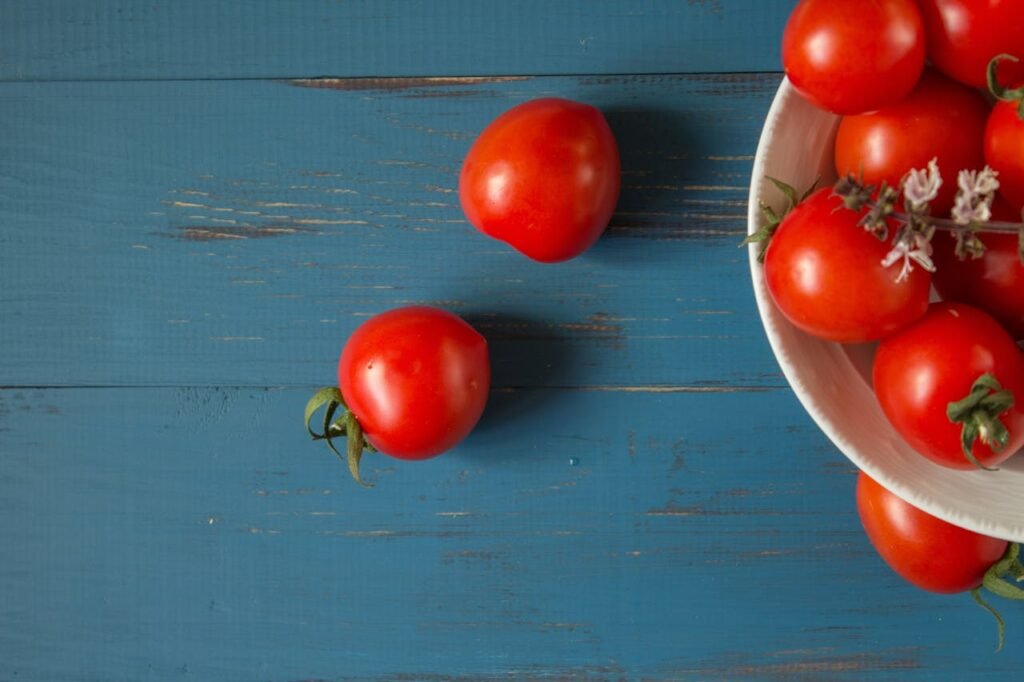
Tomatoes are one of the most accessible and versatile sources of potassium available in the UK. Unlike supplements, which can be dangerous if not monitored, getting potassium from whole foods is safe and provides additional nutritional benefits.
Nutritional Breakdown
A medium-sized tomato contains nearly 300 mg of potassium. While this is impressive, processed tomato products often contain even higher concentrations because the water has been removed, condensing the nutrients.
Furthermore, tomatoes are rich in lycopene, a powerful antioxidant that gives them their red colour. Healthline notes that lycopene has been linked to reduced risk of heart disease and cancer, making tomatoes a dual-threat against cardiovascular issues.
Bioavailability
Interestingly, the body absorbs lycopene better from cooked or processed tomatoes than from fresh ones. Heat breaks down the cell walls in the tomato, releasing the lycopene. Eating tomatoes with a small amount of healthy fat, like olive oil, further increases absorption.
Potassium Content by Tomato Product
The following table illustrates how different tomato products compare in terms of potassium content. This can help you make informed choices when shopping.
| Tomato Product (100g) | Approx. Potassium (mg) | Notes |
|---|---|---|
| Sun-dried tomatoes | 3,400 mg | Extremely nutrient-dense; high in calories. |
| Tomato purée (Paste) | 1,014 mg | Very concentrated; watch for added salt. |
| Passata | 350 mg | Great base for sauces; check labels. |
| Fresh Tomatoes | 237 mg | Excellent for salads and snacking. |
| Canned Tomatoes | 200–250 mg | Versatile; ensure “no added salt” varieties. |
Tips for Management and Incorporation
Incorporating more tomatoes into your diet is an easy and delicious way to boost your potassium intake. However, you must be mindful of how these products are prepared, as hidden salt can negate the benefits.
Cooking and Preparation
- Choose Fresh or Frozen: Fresh tomatoes are naturally low in sodium. Frozen tomatoes are also a great option as they are often frozen at peak ripeness.
- Read Labels Carefully: When buying tinned tomatoes or pasta sauces, look for “no added salt” or “reduced salt” versions. The British Nutrition Foundation advises checking front-of-pack traffic light labelling to avoid hidden sodium.
- Make Your Own Sauce: Commercial sauces are often laden with sugar and salt. Making your own using passata, garlic, herbs, and olive oil allows you to control exactly what goes into your body.
- Snack Smart: Cherry tomatoes make an excellent portable snack. Keep a bowl on your desk to avoid reaching for biscuits or crisps.
Dietary Guidelines
The UK government’s Eatwell Guide suggests eating at least five portions of a variety of fruit and vegetables every day. A medium tomato or seven cherry tomatoes counts as one portion.
A Note on Balance
While increasing potassium is beneficial, it is part of a broader picture. Reducing alcohol, quitting smoking, and managing stress are also vital. The Stroke Association highlights that high blood pressure is the single biggest risk factor for stroke, so a holistic approach to lifestyle change is essential.
Frequently Asked Questions
Can I eat too many tomatoes?
For most people with healthy kidneys, it is difficult to eat too many tomatoes. Any excess potassium is simply excreted in urine. However, tomatoes are acidic, which can trigger heartburn or acid reflux in some individuals.
Who should avoid high potassium intake?
If you have chronic kidney disease (CKD), your kidneys may struggle to remove excess potassium from the blood. This can lead to hyperkalemia, a dangerous condition. Kidney Care UK warns that patients with CKD should consult their renal dietitian before significantly increasing their intake of high-potassium foods like tomatoes.
Are tinned tomatoes as good as fresh?
Yes, and in some ways, they are better. As mentioned, the heating process involved in canning increases the availability of lycopene. Just be vigilant about the salt content. For tasty ideas on how to use them, BBC Good Food offers numerous healthy recipes.
Does tomato juice lower blood pressure?
Some studies suggest drinking unsalted tomato juice can improve blood pressure and LDL cholesterol. However, commercial juices are often high in sodium. Always choose 100% juice with no added salt.
What about the sugar in tomatoes?
Tomatoes do contain natural sugars, but they are relatively low on the glycaemic index. Diabetes UK confirms that the benefits of the fibre and vitamins in fruit and veg far outweigh the concerns regarding natural sugars for most diabetics.
The Bottom Line
Managing high blood pressure is a marathon, not a sprint. It requires consistent, sustainable lifestyle changes rather than quick fixes. Integrating the potassium in tomatoes into your diet is a scientifically backed, delicious, and natural strategy to support your cardiovascular health.
By helping to balance sodium levels and relax blood vessel walls, tomatoes act as a natural aid to your heart. Whether you enjoy them fresh in a salad, roasted in the oven, or simmered into a rich sauce, you are doing your body a favour with every bite.
However, diet is just one piece of the puzzle. Always follow the advice of your GP regarding medication and monitoring. Small changes, like swapping a salty snack for fresh tomatoes or cooking from scratch using passata, can accumulate to make a massive difference to your long-term health.
Start today by adding a handful of cherry tomatoes to your lunch. Your heart will thank you for it.