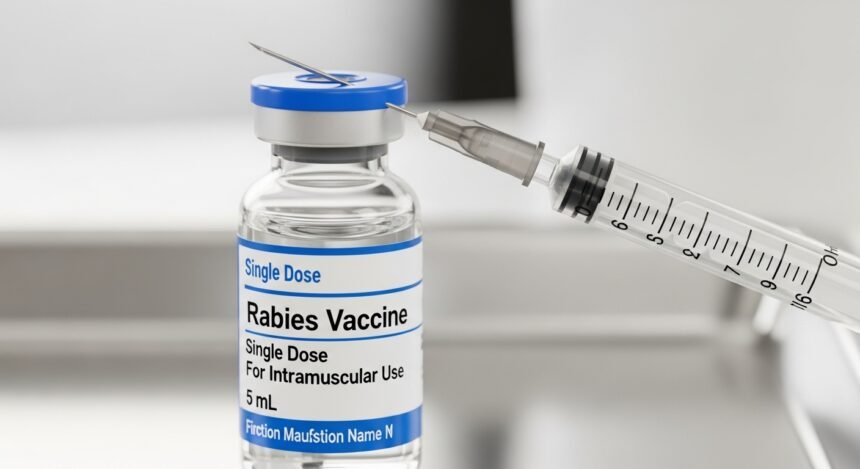
Rabies is a viral disease that is almost always fatal once symptoms appear. Prophylactic vaccination remains the most effective strategy for prevention. Understanding rabies vaccine for humans side effects is essential for clinicians and travellers alike.
The vaccine is generally well-tolerated by the vast majority of recipients. Most adverse reactions are mild and transient in nature. Serious complications are fortunately extremely rare.
Understanding the Vaccine Composition
Modern rabies vaccines are inactivated virus vaccines. This means they cannot cause the disease itself. They are grown in cell cultures, purified, and concentrated.
Because the virus is killed, the immune response is safe for individuals with compromised immune systems. However, the body still mounts an inflammatory response. This reaction is what typically causes minor side effects.
Detailed safety data can be found on the World Health Organisation’s rabies fact sheet. Professionals should review this data regularly. It provides a global perspective on vaccine safety.
Common Injection Site Reactions
The most frequent complaint following administration is local pain. This typically manifests as soreness at the injection site. It usually resolves within 24 to 48 hours without intervention.
Redness and swelling are also commonly reported by patients. These local reactions are comparable to tetanus shot side effects redness and swelling. They indicate the immune system is recognising the antigen.
If the discomfort is distracting, a cold compress is highly effective. Applying ice for ten minutes can reduce local inflammation. This simple step often provides immediate relief.
Systemic Side Effects to Monitor
Systemic reactions occur less frequently than local pain. Some individuals may experience a mild fever or headache. These symptoms are usually self-limiting and short-lived.
Fatigue is another potential systemic effect reported by adults. This differs significantly from the more intense yellow fever vaccine side effects, which can be more severe. Patients should be advised to rest if they feel tired.
Muscle aches and nausea are occasionally documented in clinical trials. These are rarely severe enough to disrupt daily activities. Symptomatic treatment with paracetamol is usually sufficient.
Comparative Side Effect Profiles
It is helpful to compare rabies vaccine reactions to other common jabs. For instance, the profile is often milder than measles vaccine for adults side effects. The latter is a live vaccine and can cause delayed fever.
When discussing travel health, patients often worry about multiple injections. The rabies jab causes similar discomfort to meningitis vaccine side effects sore arm. Both result in a heavy sensation in the muscle.
We can also look at routine adult boosters. The reaction is generally less intense than polio vaccine side effects in adults. Understanding these comparisons helps manage patient expectations.
Assessing Travel Risks and Requirements
Travel itineraries often dictate the necessity of the rabies vaccine. Those looking for travel vaccines for costa rica will often be advised to consider it. Wildlife interaction increases the risk profile significantly.
Southeast Asia is another region requiring careful risk assessment. Travellers frequently search for vaccines needed for thailand from uk before departure. The prevalence of stray dogs makes rabies cover highly advisable.
Detailed risk maps are available through the Travel Health Pro website. This UK-based resource is indispensable for professionals. It outlines specific entry requirements and disease prevalence.
High-Risk Destinations and Vaccination
India carries one of the highest rabies burdens globally. Consequently, travel vaccinations for india almost always include a discussion on rabies prophylaxis. Pre-exposure vaccination simplifies treatment if a bite occurs.
Vietnam also presents a notable risk for adventurous travellers. When booking appointments for travel vaccines for vietnam, clinicians must highlight animal avoidance. Even vaccinated individuals need medical attention after a bite.
Nearby destinations also warrant caution for specific demographics. For example, considering travel vaccinations for bali from australia is common for surfers and backpackers. Monkey bites are a frequent occurrence in these regions.
Cost Considerations for Patients
The rabies vaccine is often a private purchase in the UK. The cost can be a barrier for some travellers. It is often comparable to the japanese encephalitis vaccine cost.
Patients should be provided with a transparent price breakdown. A full course usually requires multiple doses. This aggregates into the total travel clinic vaccinations cost.
Budgeting for health is a crucial part of travel planning. Professionals should explain that the vaccine saves money on post-exposure immunoglobulin. That treatment is often unavailable in remote areas.
Allergic Reactions and Contraindications
Severe allergic reactions to the rabies vaccine are very rare. Anaphylaxis occurs in less than one in a million doses. Immediate medical attention is required in such events.
Previous hypersensitivity to vaccine components is a contraindication. This includes traces of antibiotics used in production. Screening questions must be thorough before administration.
Guidance on contraindications is available in the Green Book on Immunisation. This government resource provides clinical protocols. It is the gold standard for UK vaccination practice.
Managing Patient Anxiety
Many patients are anxious about side effects. Open communication builds trust and compliance. Explain that rabies vaccine for humans side effects are a sign the vaccine is working.
Address specific fears by comparing them to known experiences. If they have had typhoid vaccine side effects oral vs injection, use that as a baseline. The injection profile is quite standard.
Provide clear written aftercare instructions. This empowers the patient to manage their recovery. Knowledge reduces anxiety significantly.
Timing and Schedules
Adhering to the vaccination schedule is critical for efficacy. The primary course usually involves three doses. Deviating from this can compromise immunity.
Travel preparations often involve complex scheduling. Patients might also be weighing malaria pills vs vaccine options for other diseases. A clear timeline helps avoid confusion.
For comprehensive scheduling advice, consult the NHS Fit for Travel site. It offers user-friendly advice for the public. It helps align vaccine dates with travel departure.
Data on Side Effects
The following table compares the rabies vaccine side effects with other common travel vaccinations.
| Vaccine Type | Common Local Reactions | Systemic Side Effects | Frequency of Severe Effects |
|---|---|---|---|
| Rabies (Inactivated) | Pain, redness, swelling (Very Common) | Headache, mild fever (Common) | Rare (Anaphylaxis <1/1,000,000) |
| Japanese Encephalitis | Tenderness, redness (Common) | Muscle pain, flu-like symptoms | Rare |
| Typhoid (Injection) | Soreness, hardness (Common) | Fever, malaise (Occasional) | Very Rare |
| Yellow Fever (Live) | Mild pain (Common) | Fever, aches (Common – days 3-7) | Rare (Viscerotropic disease) |
The Role of Boosters
Immunity can wane over time for those at occupational risk. Regular antibody titre testing is recommended for handlers. Boosters are administered if levels fall below a certain threshold.
For travellers, the primary course provides long-term memory. However, a booster might be needed after potential exposure. This is simpler than the full post-exposure protocol.
Research on long-term immunity is published on PubMed. This database offers peer-reviewed studies. It is excellent for evidence-based practice.
Addressing Myths and Misconceptions
There is no evidence linking rabies vaccines to long-term chronic illness. Misinformation can deter people from necessary protection. It is our duty to correct these falsehoods.
Some confuse rabies side effects with older nerve-tissue vaccines. Modern cell-culture vaccines are vastly superior in safety. The profile is far cleaner than older iterations.
Credible myth-busting information can be found via the Centers for Disease Control and Prevention. While US-based, their scientific data is universally applicable. They address common public concerns effectively.
Final Preparations for Travellers
Ensure patients carry their vaccination record. This “yellow card” is vital proof of immunisation. It communicates their status to foreign medical teams.
Remind them that vaccination does not mean they can ignore animal bites. They still need to seek immediate medical help. The vaccine simply buys them time and simplifies treatment.
For general travel safety, refer to the Foreign, Commonwealth & Development Office. They provide safety updates beyond health. It covers security and local laws.
Frequently Asked Questions
Does the rabies vaccine cause flu-like symptoms?
Yes, some patients experience mild flu-like symptoms. This can include a low-grade fever or headache. These usually resolve within 24 hours.
Is the rabies vaccine safe for children?
The vaccine is safe and effective for children. The dosage remains the same as for adults. Side effects are similar to routine childhood immunisations.
Can I drink alcohol after the vaccination?
There is no medical contraindication to moderate alcohol consumption. However, alcohol might worsen side effects like headache. It is generally best to stay hydrated with water.
How does the cost compare to other travel jabs?
It is generally one of the more expensive travel vaccines. The price is often higher than a tetanus booster. However, it is cheaper than emergency evacuation.
What if I miss the second or third dose?
You should contact your clinic immediately. They will advise on how to resume the schedule. You generally do not need to restart the course.
The Bottom Line
The rabies vaccine for humans side effects are generally mild and manageable. The protection it offers against a universally fatal disease is invaluable.
Common reactions like a sore arm or mild headache are a small price for safety. They are comparable to routine immunisations.
Whether you are seeking travel vaccines for costa rica or preparing for a trip to India, this vaccine is a priority. It provides peace of mind for high-risk adventures.
Always consult with a qualified travel health professional. They can provide a tailored risk assessment. Safe travel begins with informed preparation.
For further reading on infectious diseases, visit the European Centre for Disease Prevention and Control.
To understand vaccine components better, the Oxford Vaccine Knowledge Project is an excellent academic resource.
For global health news and updates, BBC Health remains a trusted source.
Detailed pharmacological data is available in the British National Formulary (BNF).