If you have recently strolled through a farmers’ market or the produce aisle of a well-stocked supermarket, you may have spotted a vibrant, violet-hued vegetable nestled among the greens. Purple cauliflower is capturing the attention of foodies and health enthusiasts alike, and for good reason.
While the classic white variety is a staple in many households, its purple cousin offers a unique visual appeal and a distinct nutritional boost. It is not artificially dyed; its stunning colour is entirely natural, resulting from the presence of specific antioxidants.
Beyond its Instagram-worthy appearance, purple cauliflower fits seamlessly into a balanced diet, offering versatility in the kitchen and a host of potential health benefits.
This article explores the nutrition, flavour, and health benefits of purple cauliflower, along with practical tips on how to prepare it without losing that brilliant colour.
What Is Purple Cauliflower?
Purple cauliflower is a cruciferous vegetable belonging to the Brassica oleracea species. This family also includes broccoli, kale, Brussels sprouts, and cabbage.
The vibrant violet pigment comes from anthocyanins. These are the same water-soluble flavonoids found in blueberries, red cabbage, and red wine. Anthocyanins are produced naturally by the plant as a protective mechanism against sun exposure and environmental stress.
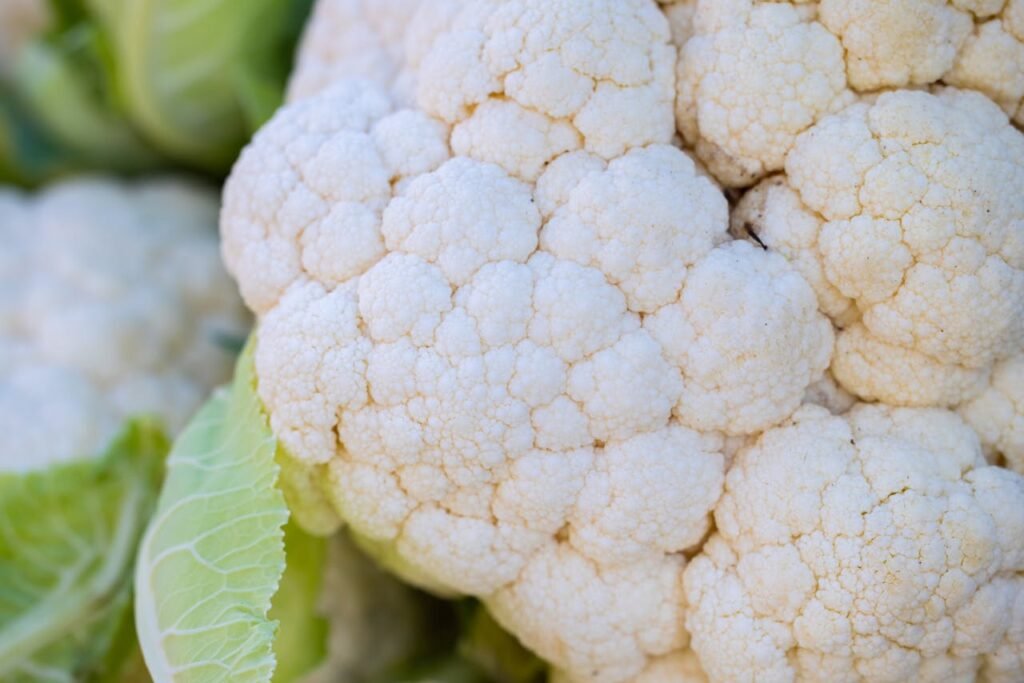
Unlike white cauliflower, which is shielded from the sun by its leaves while growing (a process called blanching) to prevent chlorophyll development, purple varieties are exposed to sunlight to encourage the development of these pigments.
It is important to note that this is not a genetically modified organism (GMO). Purple cauliflower has been cultivated through traditional selective breeding methods over many years to enhance its natural pigmentation and nutritional profile.
Nutritional Breakdown
Purple cauliflower is a nutrient-dense food, meaning it is low in calories but high in vitamins and minerals. While its profile is very similar to white cauliflower, the presence of anthocyanins gives it an antioxidant edge.
Here is the approximate nutritional breakdown for one cup (100 grams) of raw purple cauliflower:
| Nutrient | Amount | % Daily Value (DV) |
|---|---|---|
| Calories | 25 | – |
| Carbohydrates | 5 g | 2% |
| Fibre | 2 g | 8% |
| Protein | 2 g | 4% |
| Fat | 0.3 g | 0% |
| Vitamin C | 48 mg | 80% |
| Vitamin K | 15.5 mcg | 20% |
| Vitamin B6 | 0.2 mg | 10% |
| Folate | 57 mcg | 14% |
| Potassium | 299 mg | 9% |
It is also a good source of manganese, magnesium, and phosphorus. The standout nutrient here is Vitamin C, which is essential for immune function and skin health.
Furthermore, the anthocyanin content provides a potent antioxidant capacity not found in the white variety.
Potential Health Benefits
Adding purple cauliflower to your diet may offer several health advantages, thanks to its rich array of plant compounds.
1. Potent Antioxidant Properties
The primary difference between purple and white cauliflower is the presence of anthocyanins.
Antioxidants are crucial for protecting your cells from damage caused by free radicals—unstable molecules that can cause oxidative stress. Over time, oxidative stress can contribute to ageing and the development of chronic diseases.
Studies suggest that diets high in anthocyanin-rich foods are linked to a lower risk of heart disease and cognitive decline.
2. Supports Healthy Digestion
Like all cruciferous vegetables, purple cauliflower is an excellent source of dietary fibre.
Fibre is essential for maintaining a healthy digestive system. It adds bulk to stool, helping to prevent constipation and promote regular bowel movements. Furthermore, fibre acts as a prebiotic, feeding the beneficial bacteria in your gut.
A healthy gut microbiome is increasingly linked to improved immunity, better mood regulation, and reduced inflammation.
3. May Reduce Inflammation
Chronic inflammation is a root cause of many ailments, including arthritis, type 2 diabetes, and heart disease.
Purple cauliflower contains isothiocyanates and glucosinolates, compounds known for their anti-inflammatory properties. Glucosinolates are sulfur-containing chemicals that give cruciferous vegetables their pungent aroma and bitter flavour, but they also trigger anti-inflammatory responses in the body.
4. Aids in Weight Management
If you are looking to manage your weight, purple cauliflower is an excellent dietary addition. It is incredibly low in calories yet high in volume and fibre, which helps induce feelings of fullness.
Replacing higher-calorie ingredients, such as rice or flour, with cauliflower is a popular strategy for reducing overall calorie intake without sacrificing food volume. This approach is supported by the CDC as an effective method for weight control.
5. Supports Heart Health
The combination of fibre and antioxidants makes purple cauliflower a heart-friendly food. Fibre helps lower cholesterol levels, while anthocyanins help prevent the stiffening of arteries.
Additionally, this vegetable contains Vitamin K. According to Healthline, Vitamin K plays a vital role in blood clotting and bone metabolism. Adequate intake is necessary for maintaining healthy circulation and preventing calcification in the arteries.
Does It Taste Different?
Many people assume that because purple cauliflower looks so different, it must taste radically different from the white variety. However, the differences are subtle.
Purple cauliflower generally has a nuttier, sweeter, and milder flavour profile than white cauliflower. It lacks some of the bitter edge that white varieties can sometimes have, making it more palatable for children or those who are usually averse to cruciferous vegetables.
The texture is very similar—crunchy when raw and tender when cooked—though the florets can sometimes be slightly denser.
How to Cook and Preserve the Colour
One of the biggest challenges when cooking purple cauliflower is retaining its beautiful hue. Because anthocyanins are water-soluble, boiling this vegetable can cause the colour to leach out, turning the cauliflower a dull grey or pale blue.
Furthermore, the pigment is pH-sensitive. Exposure to alkaline environments (like hard tap water) can turn the purple pigment blue or green.
To keep your cauliflower vibrant violet, follow these tips:
1. Add Acid:
Adding a splash of lemon juice or vinegar to the water if you must boil or blanch it helps lock in the purple/pink colour. The acid stabilises the anthocyanins.
2. Roast or Steam:
Dry heat methods like roasting are best for preserving both colour and nutrients. Steaming is also a good option as the vegetable is not submerged in water.
3. Eat It Raw:
The colour is most vibrant when the vegetable is raw. It makes a striking addition to crudité platters or salads.
Simple Roasted Purple Cauliflower Recipe
Roasting brings out the natural sugars and nuttiness of the vegetable.
- Ingredients: 1 head purple cauliflower, 2 tbsp olive oil, 1 tsp garlic powder, salt, pepper, and a squeeze of fresh lemon juice.
- Method: Preheat your oven to 200°C (400°F). Cut the cauliflower into florets. Toss with oil and spices. Roast for 20–25 minutes until tender and slightly crisp on the edges. Finish with fresh lemon juice before serving to pop the colour.
Practical Tips for Selection and Storage
To get the most out of your purple cauliflower, proper selection and storage are key.
Selection
Look for heads that are heavy for their size. The florets should be tightly packed and free from brown spots or blemishes. The leaves surrounding the base should be fresh and green, not wilted.
Storage
Store purple cauliflower in the crisper drawer of your fridge. Keep it in a loose plastic bag or a perforated vegetable bag to allow for air circulation. Do not wash it until you are ready to use it, as excess moisture can encourage mould growth.
It should stay fresh for up to one week. If you notice black spots appearing on the florets, simply slice them off; the rest of the vegetable is safe to eat.
Precautions and Considerations
While highly nutritious, purple cauliflower may not be suitable for everyone in large quantities.
Thyroid Issues:
Cruciferous vegetables contain goitrogens, which can interfere with thyroid function if consumed in very large amounts, particularly in those with pre-existing iodine deficiency. Cooking the vegetable reduces goitrogenic activity.
Digestive Sensitivity:
High-fibre foods can cause bloating and gas in some individuals, particularly those with Irritable Bowel Syndrome (IBS). If you are not used to a high-fibre diet, introduce cauliflower slowly and drink plenty of water.
Blood Thinners:
Because it is rich in Vitamin K, sudden increases in cauliflower consumption can affect how blood-thinning medications (like warfarin) work. Consistency in diet is key here. Always consult your GP or NHS guidance regarding dietary interactions.
The Bottom Line
Purple cauliflower is more than just a decorative vegetable; it is a nutritional powerhouse packed with vitamins, minerals, and unique antioxidants.
The presence of anthocyanins not only gives it a beautiful colour but also provides anti-inflammatory and heart-protective benefits that surpass those of standard white cauliflower.
Its mild, sweet flavour makes it a versatile ingredient that can be roasted, riced, or eaten raw. By choosing cooking methods that preserve its pigment, such as roasting or adding a touch of acid, you can create meals that are as visually stunning as they are healthy.
Whether you are looking to boost your antioxidant intake, manage your weight, or simply add a splash of colour to your dinner plate, purple cauliflower is a brilliant choice to add to your rotation.
Incorporating a variety of colourful vegetables is one of the best ways to ensure you are getting a broad spectrum of nutrients to support long-term health. The next time you see this violet gem at the market, pick it up—your body (and your eyes) will thank you.