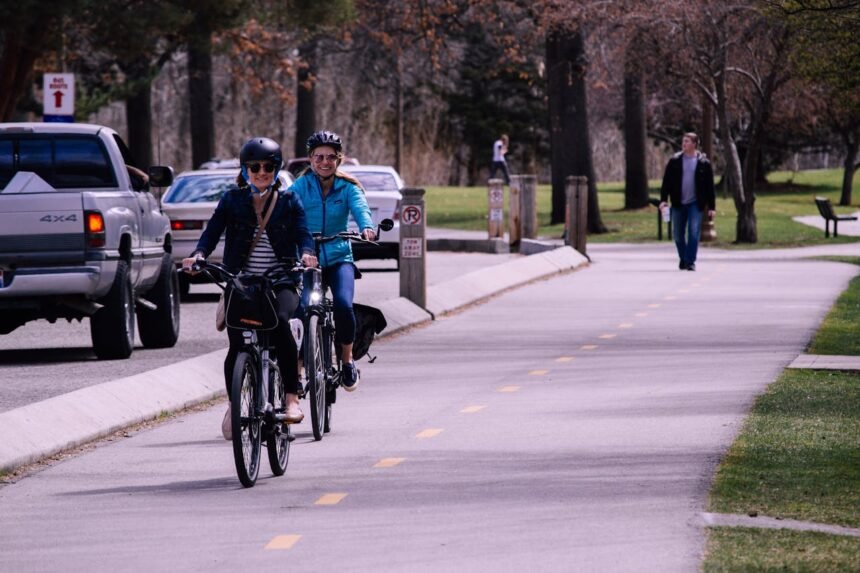
In an era defined by fast-paced lifestyles and overflowing calendars, finding time for a 90-minute endurance ride is often a luxury we cannot afford. However, the misconception that you need hours in the saddle to build fitness is rapidly fading. Enter the realm of 15 minute cycling workouts. Whether you are a seasoned cyclist looking to maintain fitness during a busy work week or a beginner seeking an approachable entry point, short, high-intensity sessions can deliver profound physiological adaptations.
This guide explores how to maximize every second of a quarter-hour session, the science behind High-Intensity Interval Training (HIIT), and specific routines designed to boost your VO2 max, power output, and metabolic rate.
The Science of Short Duration: Why 15 Minutes Works
It is natural to be skeptical. Can 15 minutes really make a difference? According to exercise physiology, the answer is a resounding yes, provided the intensity is sufficient. The secret lies in a concept known as EPOC (Excess Post-exercise Oxygen Consumption), often referred to as the “afterburn effect.”
When you engage in high-intensity intervals, you push your body into an anaerobic state. To recover and return to homeostasis, your body consumes significantly more oxygen for hours after the workout is finished. According to the American Council on Exercise (ACE), this process requires energy, meaning you continue to burn calories long after you have unclipped from your pedals.
Furthermore, short bursts of intense cycling improve cardiovascular health comparable to longer, moderate-intensity sessions. Research highlighted by the Mayo Clinic suggests that interval training can reverse some signs of aging at the cellular level and improve aerobic capacity efficiently.
Key Physiological Benefits
- Increased Mitochondrial Density: Short, hard efforts stimulate the production of mitochondria, the power plants of your cells.
- Improved VO2 Max: Enhances the maximum amount of oxygen your body can utilize during exercise.
- Insulin Sensitivity: High-intensity cycling helps regulate blood sugar levels, a critical factor in preventing type 2 diabetes, as noted by the Centers for Disease Control and Prevention (CDC).
Preparation: Making Every Minute Count
Because the duration is short, the margin for error is slim. You cannot spend the first 10 minutes fiddling with your shoe straps or adjusting your seat height. To execute effective 15 minute cycling workouts, your setup must be dialed in before the clock starts.
The Warm-Up Debate
With only 15 minutes total, how do you warm up? A condensed warm-up is essential to prevent injury and prime the nervous system. Experts at Harvard Health emphasize that warming up muscles increases blood flow and flexibility. In our protocols below, the first 2-3 minutes serve as an integrated warm-up.
Equipment Check
While these workouts can be done outdoors, they are often safest and most efficient on an indoor trainer or stationary bike. This eliminates traffic lights, descents, and coasting, ensuring a relentless workload. Platforms like Zwift or simply a high-quality spin bike allow for precise resistance control.
Three Targeted 15-Minute Cycling Workouts
Below are three distinct workouts tailored for different fitness goals: Speed, Strength, and Endurance. We will use the Rate of Perceived Exertion (RPE) scale, where 1 is easy spinning and 10 is an all-out sprint.
1. The Tabata Torch (Focus: Speed & VO2 Max)
This workout utilizes the famous Tabata protocol—20 seconds of work followed by 10 seconds of rest. It is grueling but incredibly effective for fast-twitch muscle fiber recruitment.
- 0:00 – 3:00: Warm-up. Spin easy (RPE 3), gradually increasing cadence.
- 3:00 – 11:00: The Tabata Block (repeat 8 times).
- 20 seconds: Maximum Sprint (RPE 9-10).
- 10 seconds: Complete Rest/Coast (RPE 1).
- Note: Do two full sets of 4 minutes with a 1-minute recovery spin between sets.
- 11:00 – 12:00: Recovery spin (RPE 2).
- 12:00 – 15:00: Cooldown and flush out the legs.
2. The Power Climb (Focus: Strength & Threshold)
This session simulates a steep hill climb to build leg strength and muscular endurance. High resistance and lower cadence are key here.
- 0:00 – 3:00: Warm-up with progressive resistance.
- 3:00 – 6:00: Seated Climb. High resistance, 60-70 RPM (RPE 7).
- 6:00 – 7:00: Standing Climb. Increase resistance slightly, drive through the pedals (RPE 8).
- 7:00 – 9:00: Seated Climb. Maintain resistance but try to increase RPM by 5 (RPE 8.5).
- 9:00 – 10:00: Attack the Summit. Standing, max resistance you can handle at 60 RPM (RPE 9).
- 10:00 – 12:00: Threshold hold. Seated, reduce resistance slightly, hold 90 RPM (RPE 7).
- 12:00 – 15:00: Cooldown spin.
3. The Cadence Pyramid (Focus: Form & Efficiency)
Efficient cyclists waste less energy. This workout focuses on neuromuscular coordination by varying your pedal speed (cadence).
- 0:00 – 3:00: Warm-up.
- 3:00 – 5:00: 90 RPM steady state (RPE 5).
- 5:00 – 7:00: 100 RPM spin (RPE 6). Keep hips stable.
- 7:00 – 8:00: 110+ RPM superspin (RPE 7). Do not bounce in the saddle.
- 8:00 – 10:00: 100 RPM spin (RPE 6).
- 10:00 – 12:00: 90 RPM steady state (RPE 5).
- 12:00 – 15:00: Cooldown.
Detailed guidance on finding your optimal cadence can be found on Bicycling.com.
Workout Comparison Table
| Feature | Tabata Torch | Power Climb | Cadence Pyramid |
|---|---|---|---|
| Primary Goal | VO2 Max & Speed | Leg Strength | Neuromuscular Efficiency |
| Intensity (Avg) | Very High | High | Moderate-High |
| RPM Range | 100+ (Sprints) | 60-70 (Grinds) | 90-110+ (Spinning) |
| Perceived Exertion | 9/10 | 8/10 | 7/10 |
| Afterburn (EPOC) | Maximum | High | Moderate |

Nutrition and Hydration for Micro-Workouts
Just because the workout is short doesn’t mean you can ignore fueling. While you likely don’t need a carbohydrate gel for a 15-minute ride, your overall daily hydration status is critical. Being even slightly dehydrated can reduce physical performance. The World Health Organization (WHO) recommends regular physical activity, and supporting that with adequate water intake throughout the day is vital.
Post-Workout Recovery
After a high-intensity session, your glycogen stores are partially depleted. A small snack containing protein and carbs within 30 minutes can aid recovery. Furthermore, mental recovery is just as important. The stress-relief benefits of exercise are well-documented by the American Psychological Association, noting that even short bouts of activity can alleviate anxiety.
Tracking Progress and Staying Motivated
To ensure these 15 minute cycling workouts are actually working, you need to track your data. Subjective feelings are good, but objective data is better.
Metrics to Watch
- Functional Threshold Power (FTP): The highest power you can maintain for an hour. Short workouts help push this number up from the bottom.
- Resting Heart Rate: As you get fitter, this should decrease.
- Consistency: The true key to gains. Doing 15 minutes every day is often better than one 90-minute ride once a week.
Apps like Strava or TrainingPeaks are excellent for logging these short bursts and analyzing your heart rate curves over time. Seeing a graph of your consistency can be a powerful motivator.
Safety Considerations
High intensity means high stress on the joints and cardiovascular system. If you have pre-existing heart conditions, consult a physician before attempting HIIT. Additionally, ensure your bike fit is correct to avoid knee strain. Resources like the Global Cycling Network (GCN) offer excellent video tutorials on basic bike fitting at home.
According to the American Heart Association, while endurance exercise is safe for most, listening to your body during max-effort intervals is non-negotiable. If you feel dizzy or experience chest pain, stop immediately.
Conclusion: No More Excuses
The “I don’t have time” excuse is officially obsolete. With these 15 minute cycling workouts, you have a potent tool to carve out fitness in the smallest pockets of your day. Whether you choose the lung-searing intensity of the Tabata Torch or the muscular grind of the Power Climb, the key is intensity and consistency.
Remember, 15 minutes of focused work is infinitely more valuable than zero minutes of activity. Clip in, power up, and make every second count. Your future fitness gains are just a quarter of an hour away.