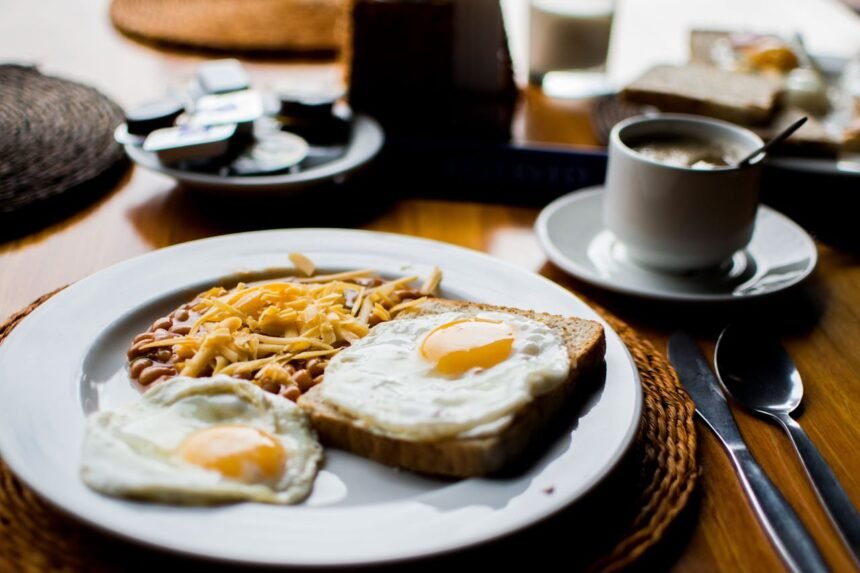
In the fast-paced modern world, morning routines often fall victim to the snooze button. We rush out the door, fueled only by caffeine or a sugary pastry grabbed in haste. While this might save five minutes, it wreaks havoc on your metabolic health. The decision to skip a nutritious start or settle for empty calories sets a hormonal trajectory for the rest of the day, often leading to energy crashes and late-night binge eating. If your goal is shedding pounds and keeping them off, establishing a routine that includes a quick healthy breakfast for fat loss is one of the most effective strategies you can deploy.
But this isn’t just about reducing calories; it is about metabolic signaling. A proper breakfast stabilizes blood sugar, optimizes insulin sensitivity, and jumpstarts thermogenesis. This comprehensive guide will explore the science of the morning meal and provide actionable, delicious solutions that fit into even the busiest schedules.
The Science of Breakfast: Metabolism and Hormones
Contrary to the old adage that “breakfast is the most important meal of the day” simply for energy, its role in weight management is deeply rooted in endocrinology. When you wake up, your body is in a catabolic (breakdown) state due to the overnight fast. What you eat first dictates how your body utilizes energy for the next several hours.
The Thermic Effect of Food (TEF)
One of the primary mechanisms for fat loss is the Thermic Effect of Food (TEF). This refers to the energy required for digestion, absorption, and disposal of ingested nutrients. Protein has a significantly higher TEF (20-30%) compared to carbohydrates (5-10%) and fats (0-3%). This means that a high-protein breakfast literally forces your body to burn more calories during digestion.
According to the Harvard T.H. Chan School of Public Health, prioritizing protein affects satiety hormones like ghrelin and peptide YY, helping you feel fuller for longer. This prevents the mid-morning slump that usually leads to vending machine visits.
Insulin Sensitivity and Blood Sugar
Starting the day with refined sugars (like donuts or sugary cereals) spikes blood glucose, leading to a surge in insulin—the body’s fat-storage hormone. When insulin is high, fat burning is inhibited. Conversely, a breakfast rich in fiber and healthy fats results in a slow, sustained release of energy. Research from the National Institutes of Health (NIH) suggests that managing insulin spikes is critical for long-term weight management.
The Anatomy of a Fat-Burning Breakfast
To construct a quick healthy breakfast for fat loss, you need to move beyond standard calorie counting and focus on nutrient density. A balanced fat-loss breakfast should contain three pillars:
- Lean Protein: To maximize TEF and muscle retention.
- Fiber: To slow digestion and improve gut health.
- Healthy Fats: To support hormonal health and satiety.
For example, dietary fiber absorbs water and expands in the stomach, sending fullness signals to the brain. The Mayo Clinic emphasizes that high-fiber diets are linked to lower body weight and reduced risk of cardiovascular disease.

5 Quick Healthy Breakfast Ideas for Fat Loss
These recipes are designed for speed without compromising nutritional value. They incorporate high-satiety ingredients to keep you fueled until lunch.
1. Overnight Oats with Chia and Berries
This is the ultimate “grab-and-go” meal. By prepping the night before, you eliminate morning friction.
- Why it works: Oats provide beta-glucan (a soluble fiber), while chia seeds offer Omega-3 fatty acids.
- Quick Recipe: Mix 1/2 cup rolled oats, 1 tbsp chia seeds, 1 scoop whey protein powder, and almond milk. Let it sit overnight. Top with blueberries in the morning.
2. Spinach and Feta Egg Muffins
Batch cooking is a secret weapon for weight loss. You can bake twelve of these on Sunday and eat them throughout the week.
- Why it works: Eggs are the gold standard for protein quality. They also contain choline, a nutrient essential for metabolism.
- Quick Recipe: Whisk 6 eggs, add a handful of spinach and crumbled feta. Pour into a muffin tin and bake at 350°F for 20 minutes.
3. Greek Yogurt Power Parfait
Not all yogurts are created equal. Greek yogurt has double the protein of regular yogurt, making it a staple for a quick healthy breakfast for fat loss.
- Why it works: It is rich in probiotics which aid digestion. The Cleveland Clinic notes that the high protein content in Greek yogurt aids in appetite control.
- Quick Recipe: 1 cup plain non-fat Greek yogurt, 1 tbsp flaxseed meal, and a drizzle of honey or stevia.
4. Avocado Toast with Smoked Salmon
This combination provides a heavy dose of healthy monounsaturated fats and high-quality protein.
- Why it works: Healthy fats do not spike insulin. Salmon provides astaxanthin and Omega-3s, which reduce inflammation.
- Quick Recipe: 1 slice sprouted grain bread (toasted), 1/4 mashed avocado, 2 oz smoked salmon, and a sprinkle of red pepper flakes.
5. Green Protein Smoothie
Liquids digest faster, but by adding fiber and protein, you can create a smoothie that keeps you full.
- Why it works: It allows you to consume a large volume of micronutrients (vitamins and minerals) quickly.
- Quick Recipe: 1 cup spinach, 1/2 frozen banana, 1 scoop vanilla protein powder, 1 tbsp almond butter, water/ice.
Comparative Analysis: Smart Choices vs. Traditional Options
Many people believe they are eating healthy when they grab a granola bar or a bagel, but the macronutrient profile tells a different story. The table below illustrates the stark difference between a fat-loss optimized breakfast and a standard American breakfast.
| Breakfast Item | Calories | Protein (g) | Sugar (g) | Fiber (g) | Satiety Impact |
|---|---|---|---|---|---|
| Greek Yogurt Parfait | 320 | 24g | 8g | 6g | High (Sustained Energy) |
| Egg & Spinach Muffins (2) | 280 | 20g | 2g | 1g | High (High TEF) |
| Bagel with Cream Cheese | 450 | 10g | 12g | 2g | Low (Insulin Spike) |
| Sugary Cereal w/ Milk | 380 | 8g | 18g | 1g | Very Low (Crash imminent) |
| Fruit Smoothie (Commercial) | 500+ | 4g | 50g+ | 3g | Low (Liquid Sugar) |
Data estimated based on standard serving sizes found in the USDA FoodData Central.
Strategies for Consistency
Knowing what to eat is half the battle; actually doing it is the other half. The Centers for Disease Control and Prevention (CDC) recommends planning meals ahead of time to avoid impulsive food choices.
- The “Sunday Ritual”: Dedicate one hour on Sunday to boil eggs, chop fruit, or portion out smoothie bags.
- Keep Non-Perishables at Work: Keep a stash of protein powder and instant oatmeal (plain) at your desk for emergencies.
- Hydrate First: Before eating, drink 16oz of water. This aids digestion and helps distinguish between thirst and hunger.
Common Myths About Breakfast and Fat Loss
Myth 1: “Skipping Breakfast Saves Calories”
While Intermittent Fasting (IF) works for some, haphazardly skipping breakfast usually leads to compensatory overeating later in the day. If you aren’t following a structured IF protocol, skipping breakfast can slow down your metabolic rate (adaptive thermogenesis).
Myth 2: “Juice is a Healthy Start”
Fruit juice lacks the fiber found in whole fruit. Drinking juice is essentially drinking liquid sugar, which spikes insulin rapidly. The American Heart Association warns against liquid calories as a major contributor to obesity.
Myth 3: “Carbs are the Enemy”
Not all carbs are bad. Complex carbohydrates like oats and quinoa provide sustained energy. It is the refined, white flour carbohydrates that should be avoided. According to Johns Hopkins Medicine, complex carbs are vital for fueling the brain and body.
Conclusion
Transforming your body composition doesn’t require hours in the kitchen every morning. By focusing on a quick healthy breakfast for fat loss that prioritizes protein, fiber, and healthy fats, you can manipulate your hormones to work for you, not against you. These small, consistent choices compound over time, leading to sustained energy, better mental clarity, and significant fat loss.
As you embark on this journey, remember that sleep also plays a crucial role in hunger hormones. The Sleep Foundation notes that sleep deprivation increases ghrelin (hunger) and decreases leptin (fullness).
Call to Action: Don’t wait until next week. Choose one recipe from this list—perhaps the Overnight Oats or the Egg Muffins—and prepare it tonight. Fuel your body with intention, and watch the results follow.