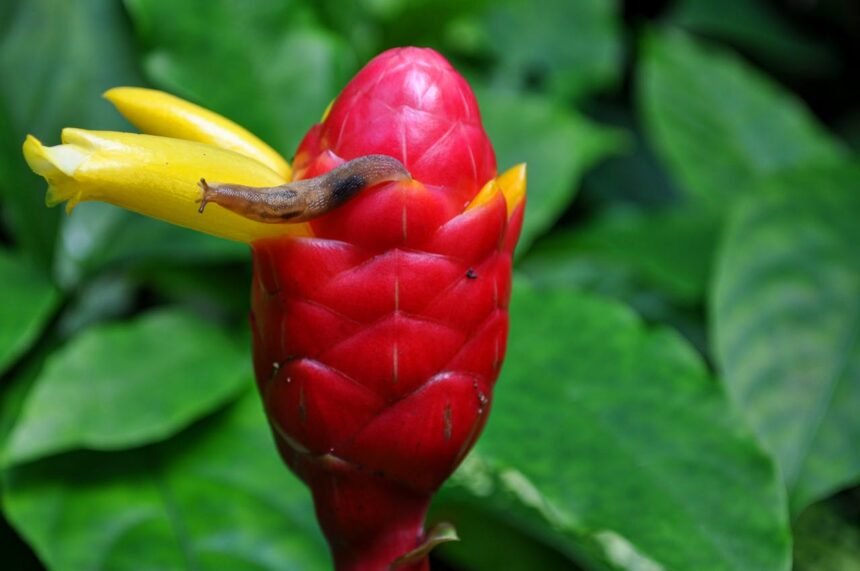
The red ginger flower is a showstopper. With its vibrant red bracts and lush green leaves, it brings a touch of the tropics to any space. Known scientifically as Alpinia purpurata, this plant is a favourite for gardeners who love bold colours. It is often called Ostrich Plume or Pink Cone Ginger.
While it thrives in tropical climates, you can grow it successfully in cooler regions like the UK with the right care. You might see it in high-end floral arrangements or luxury hotel lobbies. But you do not need to be a professional landscaper to enjoy its beauty.
This guide covers everything you need to know. We will look at red ginger plant care UK style, focusing on indoor and greenhouse growing for cooler weather. Whether you are a beginner or an expert, these tips will help your ginger thrive.
Key Takeaways
* Tropical Origin: Native to Malaysia and the Pacific Islands, it loves heat and humidity.
* Indoor Friendly: In the UK, growing red ginger indoors or in a conservatory is best.
* Long-Lasting Blooms: The red “flower” is actually a bract that can last for weeks.
* Moisture is Key: Never let the soil dry out completely, but avoid waterlogging.
* Easy Propagation: New plants often grow directly from the old flower heads.
What Is the Red Ginger Flower?
Red ginger belongs to the Zingiberaceae family. This is the same family as the ginger root you buy at the supermarket. However, red ginger is grown for its looks, not for eating. The roots are not typically used for cooking.
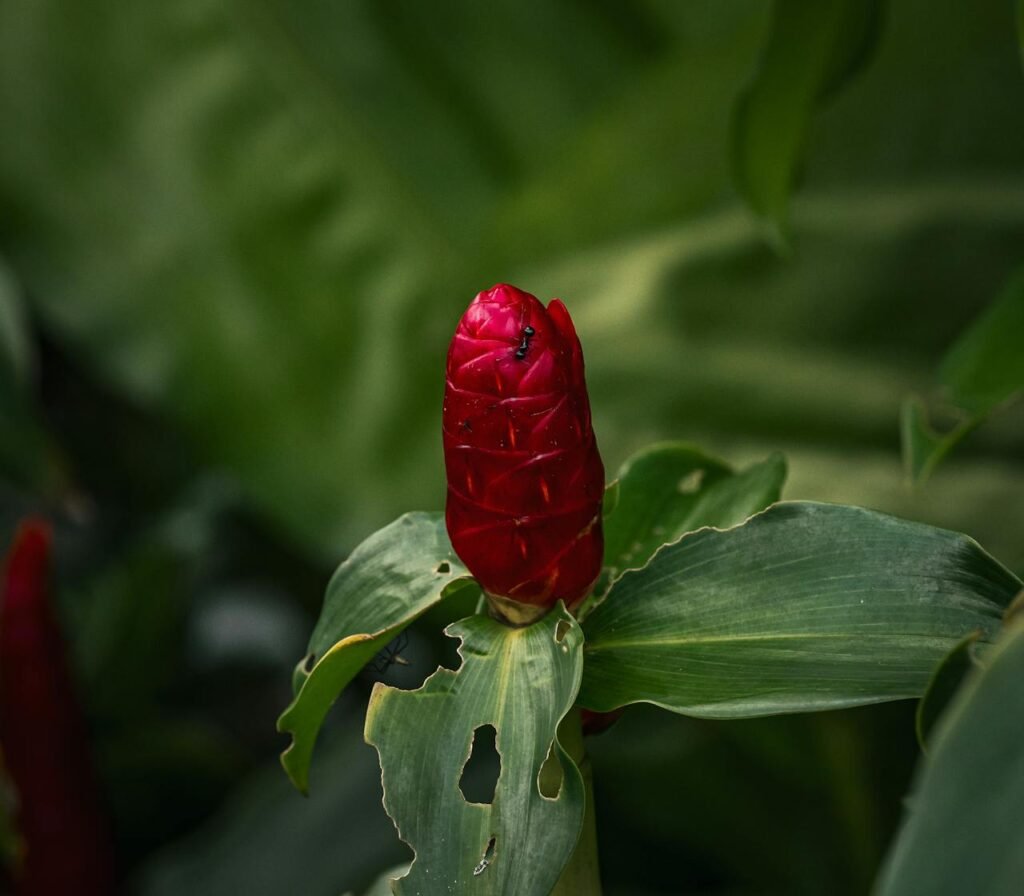
The bright red part of the plant is not the true flower. It is a cluster of bracts, which are modified leaves. The small true white flowers grow from inside these red bracts. You can learn more about the botanical family from Kew Gardens.
These plants can grow quite tall. In the ground, they can reach up to 3 metres. In pots, they usually stay smaller, around 1 to 1.5 metres. They are famous for their red ginger flower symbolism, often representing diversity and wealth.
Ideal Climate and Light Requirements
Red ginger loves the sun, but it does not like to be scorched. In its natural habitat, it grows in partial shade under taller trees.
Sunlight Needs
If you are growing this plant in the UK, light is crucial. Place your pot in a spot that gets bright, filtered light. A south-facing conservatory is ideal. Direct midday sun in summer can burn the leaves, causing brown edges. However, too much shade will stop it from blooming.
Temperature and Humidity
This plant is not frost-tolerant. It suffers if temperatures drop below 10°C (50°F). Red ginger winter care involves bringing potted plants inside before the first frost.
Humidity is just as important as heat. Dry air from central heating can harm the plant. You should aim for a humid environment. You can achieve this by misting the leaves regularly or using a pebble tray. For more on managing indoor climates, check this guide on increasing humidity for plants.
Watering and Soil Needs
Getting the water right is the biggest challenge for many gardeners. Red ginger prefers consistent moisture.
The Watering Routine
A proper red ginger watering schedule changes with the seasons. In summer, you may need to water a few times a week. The soil should feel like a squeezed-out sponge. In winter, the plant grows slower, so you should water less often. Always check the top inch of soil with your finger before watering.
Choosing the Right Soil
You need a rich, well-draining mix. Garden soil is often too heavy and can lead to root rot. A high-quality soil mix for tropical plants is best. You can make your own by mixing:
* Two parts potting compost
* One part perlite for drainage
* One part peat moss or coconut coir for moisture retention
Good drainage ensures the roots can breathe. For advice on soil types, the Royal Horticultural Society offers excellent resources.
Fertilising and Pruning Tips
Red ginger is a hungry plant. To produce those massive red blooms, it needs plenty of nutrients.
Feeding Your Plant
You should feed your plant monthly during the growing season (spring to early autumn). A balanced liquid fertiliser works well. Look for the best fertiliser for ginger plants, which typically has a balanced NPK ratio (like 10-10-10) or one slightly higher in phosphorus to boost blooming. Avoid feeding in winter when the plant is dormant.
Pruning for Health
Pruning helps keep your plant looking tidy. You should remove any yellow or brown leaves at the base. Once a flower stalk has finished blooming and starts to fade, cut it down to the ground. Pruning spent ginger blooms encourages the plant to send up new shoots. This directs energy into new growth rather than old stems.
Detailed pruning techniques can be found on BBC Gardeners’ World.
How to Propagate Red Ginger
One of the most fun things about red ginger is how easy it is to make new plants. You do not need seeds. You can use two main methods: rhizome division or harvesting aerial offshoots. This process is often referred to as alpinia purpurata propagation.
Aerial Offshoots (Vivipary)
Sometimes, small plantlets grow directly out of the old red flower head. This weighs the stem down.
1. Wait until the plantlet has small roots.
2. Gently twist or cut it off the main stem.
3. Plant it in a small pot with moist potting mix.
4. Keep it warm and humid until established.
Rhizome Division
This is best done in spring.
1. Remove the plant from its pot.
2. Wash the soil off the roots.
3. Cut the thick rhizome (root) into sections. Make sure each section has at least one growing eye or shoot.
4. Replant immediately.
For more on plant propagation, see the North Carolina State Extension guide.
Growing Red Ginger in Pots
Since red ginger cannot survive a British winter outdoors, growing it in containers is the smartest choice. Potted ginger plant care is slightly different from ground care.
Pot Selection
Choose a heavy pot. These plants can get top-heavy and tip over. A ceramic or clay pot is good for stability. Ensure the pot has large drainage holes.
Repotting
Young plants grow fast. You might need to repot every year or two. Move up just one pot size at a time. If the pot is too big, the soil stays wet for too long, which can rot the roots. Repotting is a great time to refresh your soil mix.
Common Pests and Problems
Even hardy plants get sick sometimes. Keeping an eye out for trouble can save your plant.
Pests
Indoor plants often suffer from spider mites, mealybugs, and aphids. If you see sticky residue or small webs, act fast. Treating aphids on ginger is simple. You can wipe the leaves with a damp cloth or use insecticidal soap. For severe cases, organic neem oil is effective.
Diseases
Root rot is the main enemy. This happens from overwatering. If the base of the stem feels mushy, stop watering immediately. Fungal spots can also appear on leaves if the air is stagnant. Good airflow helps prevent common ginger plant diseases.
If you are worried about plant health, the University of Florida IFAS provides detailed pest management charts for tropicals.
Landscaping and Cut Flower Uses
If you have a warm greenhouse or a sheltered patio in summer, red ginger creates an instant jungle feel.
Design Ideas
Group red ginger with other broad-leaf plants like ferns or palms. This creates a dense, lush look. Use them as a background for shorter colourful plants. These tropical garden design ideas work well even in small city gardens if you use pots.
Cut Flowers
Red ginger is famous as a cut flower. It has an incredible vase life. Freshly cut stems can last up to three weeks in clean water. They are perfect for long-lasting cut flowers arrangements. To make them last, change the water every few days and trim the stems.
Learn more about arranging tropical flowers from the Flower Council of Holland.
The Bottom Line
Growing red ginger (Alpinia purpurata) is a rewarding challenge for UK gardeners. While it demands warmth and humidity, the payoff is spectacular. By using a greenhouse or a sunny indoor spot, you can enjoy these exotic blooms year-round.
Remember to keep the soil moist, feed regularly in summer, and watch out for pests. Whether you want a statement houseplant or a supply of cut flowers, red ginger is an excellent choice.
For further reading on invasive species risks (in tropical zones) and plant details, check the CABI Invasive Species Compendium. Additionally, general plant health advice is available via the UK Government Plant Health portal.
If you follow these steps, your home will feel like a tropical paradise in no time. Enjoy the vibrant energy that red ginger brings to your life.
Additional Resources:
* Missouri Botanical Garden – Alpinia purpurata
* Gardening Know How – Red Ginger Care