Winter in the UK brings shorter days and colder temperatures. This shift often challenges our immune systems.
Many people turn to comfort foods during these dark months. However, choosing the right meal is crucial for maintaining health.
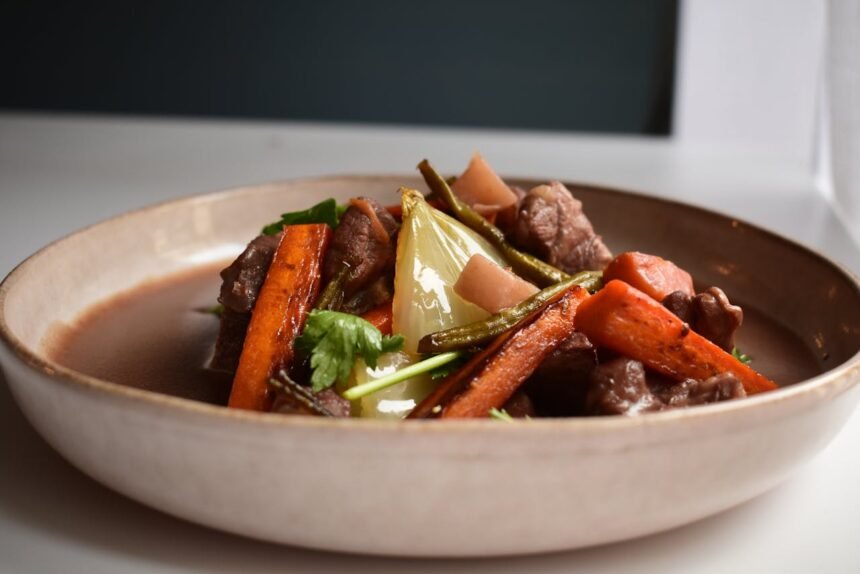
A Root Stew offers the perfect balance of comfort and nutrition. It utilizes hardy vegetables that thrive in British soil.
These ingredients are packed with vitamins essential for fighting off seasonal illnesses. Incorporating them into your diet can bolster your body’s defences.
This article explores why root vegetable stews are a superior choice for immunity. We will also look at how to maximise the nutrient density of your bowl.
Quick Facts
- Seasonal Availability: Root vegetables like swede, parsnips, and carrots are at their peak nutritional value during UK winters.
- Fibre Content: High fibre intake supports the gut microbiome, which houses approximately 70% of the immune system.
- Vitamin Retention: Stewing vegetables retains water-soluble vitamins that might otherwise be lost through boiling.
- Hydration: Stews provide essential fluids, mimicking the benefits of NHS-recommended hydration practices.
- Satiety: Nutrient-dense meals prevent energy crashes often associated with sugary winter snacks.
The Nutritional Power of Root Vegetables
Root vegetables act as energy storage units for plants. This makes them incredibly dense in carbohydrates and micronutrients.
Carrots and sweet potatoes are rich in beta-carotene. The body converts this into Vitamin A.
Vitamin A is vital for maintaining the integrity of mucosal barriers. These barriers in your nose and throat are your first line of defence against viruses.
You can read more about vitamin A benefits in our detailed guide. It is a critical nutrient for the cooler months.
Unlike a simple Winter Porridge, a vegetable stew offers a broader spectrum of minerals. While oats are healthy, they lack the diverse antioxidant profile of colourful roots.
Zinc and magnesium are also abundant in root vegetables. These minerals support enzyme function and reduce inflammation.
Gut Health and Immunity
A healthy gut is synonymous with a strong immune system. The fibre found in root vegetables feeds beneficial bacteria.
When these bacteria ferment fibre, they produce short-chain fatty acids. These acids help regulate immune cell activity.
According to the British Nutrition Foundation, most UK adults do not eat enough fibre. A hearty stew is an easy way to increase intake.
This contrasts with strained liquids like Hearty Broths. While broths are hydrating, they often lack the bulk necessary for optimal digestion.
Consuming the whole vegetable ensures you get both soluble and insoluble fibre. This supports long-term digestive health.
For more on this connection, check out our article on gut microbiome health. It explains the biological mechanisms in depth.
Comparison: Stews vs. Soups
Texture matters when it comes to the glycemic index. Blended soups are digested more rapidly than chunky stews.
A smooth Parsnip Soup can cause a faster rise in blood sugar. Chewing solid vegetables slows down glucose absorption.
This steady release of energy helps avoid the fatigue that follows a sugar spike. It keeps your immune system functioning consistently.
Furthermore, Roasted Tubers are delicious but can be higher in advanced glycation end products (AGEs) due to high dry heat. Stewing uses moist heat, which minimises AGE formation.
Moist heat cooking is often recommended by researchers. You can verify this through studies indexed on PubMed.
Stewing also preserves the cooking liquid. This means minerals that leach out of the veg are consumed rather than drained away.
Protein: The Building Blocks of Recovery
Vegetables provide the vitamins, but protein provides the structure. Antibodies and immune cells are made of protein.
Adding plant-based proteins creates a complete meal. Warm Lentils are an excellent addition to any root stew.
Lentils add iron and folate without the saturated fat of heavy meats. This supports the World Health Organization’s advice on plant-forward diets.
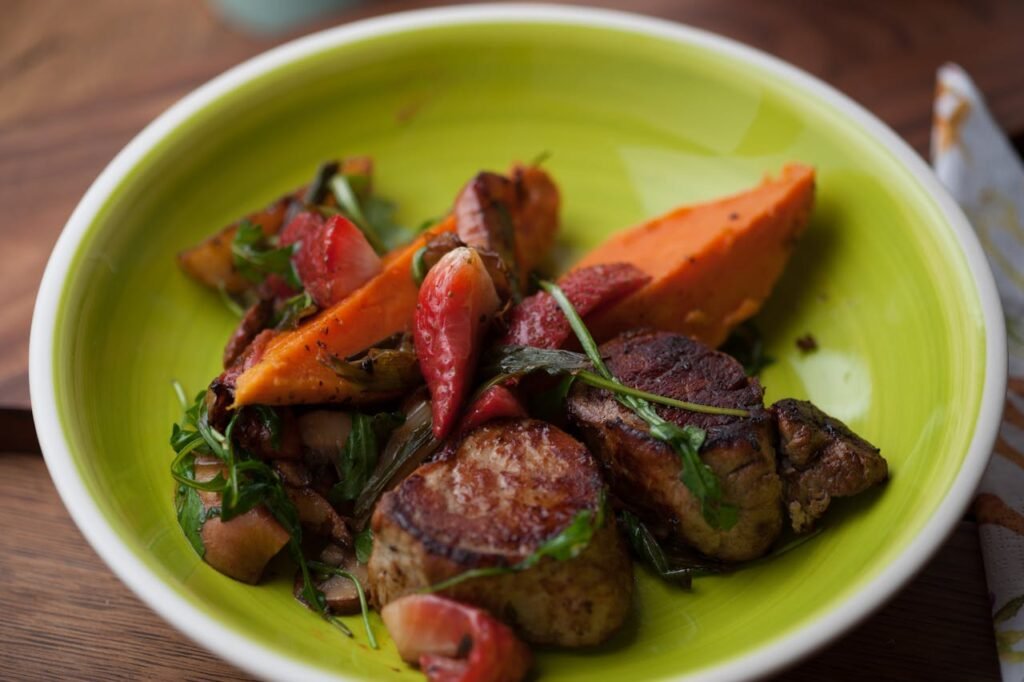
If you prefer meat, consider game options. A traditional Venison Stew is leaner than beef and higher in iron.
Iron is essential for transporting oxygen to immune cells. Discover more sources in our post on iron-rich foods.
Heavy dishes like Slow Cooker Bourguignon can be rich and comforting. However, be mindful of the alcohol and salt content.
Excess salt can impair immune function. Always taste your food before adding extra seasoning.
Hydration and Electrolyte Balance
Winter air is dry, and indoor heating dehydrates us further. We often forget to drink water when it is cold.
Fluid-based meals help bridge this gap. A stew acts similarly to a Winter Minestrone in providing significant hydration.
Proper hydration ensures that lymph fluid flows freely. This fluid transports white blood cells throughout the body.
The National Kidney Federation highlights the importance of fluid for filtering toxins. Stews contribute to your daily water quota.
Avoid replacing meals with sugary treats like Winter Squash Pie. Sugar competes with Vitamin C for entry into cells.
High sugar intake can temporarily suppress the immune system. Stick to savoury hydration sources.
Expanding the Palette: Variety for Health
Eating the same vegetables every day limits nutrient exposure. Variety is key to a robust defence system.
Try swapping standard potatoes for leeks. A Potato Leek Soup base can easily be adapted into a chunky stew.
Leeks contain allicin, a compound with antimicrobial properties. It is similar to garlic and onions.
For a boost in nitrates, consider beetroot. While often used in Beetroot Soup, chunks of beetroot hold up well in slow-cooked dishes.
Nitrates improve blood flow. Blood Pressure UK notes that better circulation supports overall cardiovascular health.
Read our insights on improving circulation naturally. Small dietary changes make a difference.
Crucial Side Dishes
What you serve with your stew matters. Avoid processed white bread.
Instead, look to leafy greens. Braised Cabbage is an inexpensive and highly nutritious side.
Cabbage is loaded with Vitamin C and K. It complements the earthy flavours of root vegetables.
Fermented cabbage, or sauerkraut, is also beneficial. It adds probiotics to your meal.
For a spicy twist, incorporate paprika. This is common in a Winter Goulash.
Capsaicin in peppers can help clear sinuses. It also has mild anti-inflammatory effects.
If you need a snack later, skip the biscuits. Roast Chestnuts are a lower-fat seasonal alternative.
They provide energy without the rapid blood sugar spike. Learn more about healthy winter snacks here.
Safe Preparation and Storage
Batch cooking is a great way to ensure you have healthy food available. However, food safety is paramount.
Cool your stew quickly before refrigerating. The Food Standards Agency recommends cooling food within two hours.
Reheat only what you plan to eat. Repeated reheating can degrade vitamin content.
Store portions in airtight containers. This prevents contamination and preserves freshness.
You can freeze root stews for up to three months. This makes meal management simple during busy weeks.
For detailed tips, visit our meal prep safety guide. Proper storage protects your health.
The Role of Vitamin D
While stews are nutrient-dense, they rarely contain Vitamin D. This vitamin is scarce in the UK winter.
The NHS recommends a daily supplement between October and March. Food sources are limited.
However, mushrooms added to your stew can provide small amounts. Exposing mushrooms to sunlight before cooking increases their Vitamin D.
Fatty fish is another source, though less common in stews. Consider pairing your meal with a Vitamin D supplement.
We discuss supplementation in our winter supplement guide. It is a necessary addition for most Britons.
Stress and Immunity
Physical health is linked to mental well-being. The act of cooking can be therapeutic.
Preparing a meal slowly reduces stress levels. High cortisol levels from stress can inhibit immune function.
Taking time to cook a stew is better than rushing a meal. It promotes a mindful approach to eating.
The Mind charity advocates for routine and self-care. Cooking constitutes a positive daily ritual.
Avoid relying on alcohol to relax. Drinks often paired with winter meals can disrupt sleep.
Sleep is when the immune system repairs itself. Prioritise rest over a nightcap.
See our article on sleep hygiene tips for better rest. Recovery starts in the bedroom.
The Bottom Line
A root vegetable stew is more than just a warm meal. It is a strategic dietary choice for the British winter.
It provides fibre, vitamins, and hydration. These elements work together to support a responsive immune system.
By choosing whole ingredients over processed alternatives, you protect your health. You also gain sustained energy.
Experiment with ingredients like lentils, venison, and cabbage. Variety ensures a broad intake of nutrients.
Stay consistent with your nutrition. Small, daily positive choices build long-term resilience.
Check out our immune-boosting recipes for specific cooking instructions. Stay warm and well this winter.