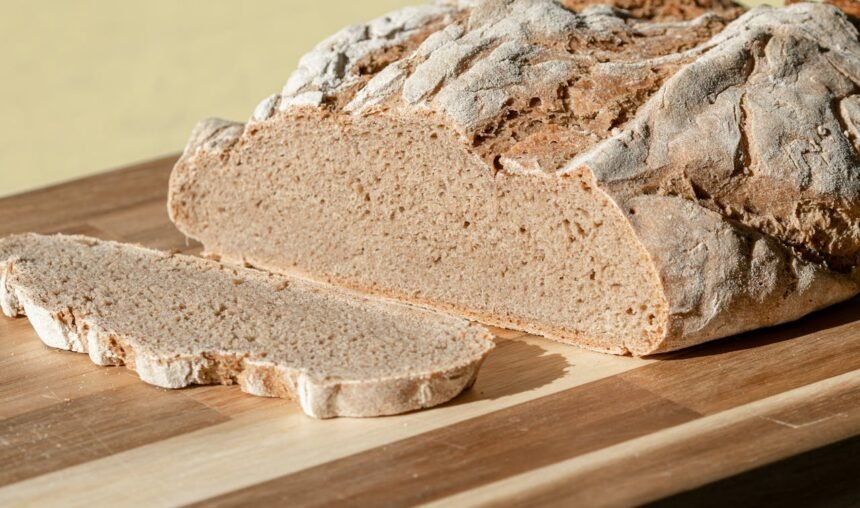
There is something uniquely comforting about the aroma of freshly baked bread wafting through a home. For many, rye bread represents the pinnacle of hearty, artisan bread. However, rye is notoriously fickle to work with by hand due to its low gluten content and sticky nature. This is where a dedicated rye bread machine becomes a game-changer for your kitchen and your health.
Whether you are looking to increase your dietary fibre intake or simply love the deep, earthy flavour of a traditional pumpernickel, using a bread maker simplifies the complex fermentation process. In this guide, we explore how to choose the right machine and why making the switch to homemade rye is one of the best decisions you can make for your whole grain nutrition.
Why Rye Bread is a Nutritional Powerhouse
Rye is far more than just a tasty alternative to wheat. It is packed with essential nutrients and offers a unique profile that supports metabolic health. Unlike highly processed white loaves, rye contains complex carbohydrates that break down slowly, helping to maintain stable blood sugar levels. According to research cited by Diabetes UK, high-fibre grains are essential for long-term glucose management.
The nutritional benefits of rye include:
- High Fibre: Rye is rich in non-cellulose polysaccharides, which have exceptional water-binding capacity, helping you feel fuller for longer.
- Heart Health: Regular consumption of whole grains is linked to lower cholesterol levels, as noted by the British Heart Foundation.
- Digestive Support: The fibre in rye acts as a prebiotic, supporting a healthy gut microbiome, a topic frequently explored by Nature.
The Challenge of Baking Rye
If you have ever tried to knead rye flour manually, you know it behaves differently than wheat. Because it contains less glutenin and gliadin, it doesn’t develop the same elastic structure. Instead, it creates a dense texture that can easily become a sticky mess. A rye bread machine with a specific bread maker cycle for rye handles this by using a specialised kneading paddle and precise temperature controls to ensure the dough rises correctly without over-working it.
What to Look For in a Rye Bread Machine
When shopping for a machine to handle heavy, dark flours, not all models are created equal. You should look for specific features that cater to the unique requirements of rye:
- Dedicated Rye Setting: This is non-negotiable. Rye needs a shorter rise time and a specific baking temperature to prevent the “gum line” effect.
- Crust Control: Rye often benefits from a thicker, darker crust to lock in moisture. Look for machines with adjustable crust control settings.
- Programmable Timer: A programmable timer allows you to set the machine to finish exactly when you wake up, ensuring a fresh homemade loaf for breakfast.
- Gluten-Free Setting: While rye is not gluten-free, many people who enjoy rye also experiment with other grains. A gluten-free setting adds versatility to your appliance, which is highly recommended by Coeliac UK for multi-grain households.
Comparing Homemade vs. Shop-Bought Rye Bread
Many commercial rye breads found in supermarkets are actually “rye-flavoured” wheat breads, containing caramel colourings and preservatives. By using your own rye bread machine, you take full control over the ingredients.
| Feature | Shop-Bought Rye | Machine-Made Homemade Rye |
|---|---|---|
| Ingredient Purity | Often contains preservatives and sugars. | 100% natural; you control the salt and seeds. |
| Texture | Can be airy or “cake-like” due to wheat fillers. | Authentically dense texture and moist crumb. |
| Cost | Premium artisan loaves can be expensive. | Economical when buying rye flour in bulk. |
| Customisation | Limited options. | Add caraway seeds, walnuts, or dried fruit at will. |
Tips for the Perfect Machine-Made Rye
To get the most out of your rye bread machine, follow these expert tips to ensure a perfect bake every time:
1. Mind the Moisture: Rye flour absorbs more water than wheat. If your loaf is too dry, it won’t rise; if it’s too wet, the top may collapse. Refer to the Whole Grains Council for guidance on grain-to-water ratios.
2. Use Fresh Sourdough Starter: For a true European-style loaf, some modern machines allow you to incorporate a sourdough starter into the cycle. This enhances the flavour and improves mineral absorption, as highlighted by Healthline.
3. Don’t Skip the Seeds: Adding caraway seeds is traditional, but you can also experiment with fennel or anise. These seeds don’t just add flavour; they may also aid digestion, according to Mayo Clinic experts.
4. Temperature Matters: Ensure your water is at the temperature specified in your manual. Yeast is a living organism, and its activity is highly temperature-dependent, a fact well-documented by the ScienceDaily archives on microbiology.
Health Benefits Beyond the Crust
Switching to rye can have a significant impact on your metabolic profile. The NHS encourages the consumption of whole grains to reduce the risk of type 2 diabetes and stroke. Furthermore, the high lignan content in rye is being studied by institutions like the Cancer Research UK for its potential role in hormone-related health.
The dietary fibre in rye is also exceptional for weight management. Because it forms a gel-like substance in the gut, it slows down gastric emptying. This mechanism is a key area of study for the British Nutrition Foundation in the fight against obesity.
Maintaining Your Rye Bread Machine
To ensure your machine lasts for years, regular maintenance is vital. Always remove the kneading paddle and clean it thoroughly to prevent dough build-up. For those concerned about the materials used in kitchen appliances, Harvard Health provides excellent resources on food-safe plastics and non-stick coatings.
If you find your machine is struggling with heavy doughs, ensure you are not exceeding the maximum flour capacity. Overloading the motor is the leading cause of appliance failure in artisan bread making.
Frequently Asked Questions (FAQs)
Can I use normal bread flour in a rye setting?
While you can, it is not recommended. The rye setting is specifically designed for the lower gluten levels and different rising requirements of rye. Using standard flour might result in an over-proven loaf. For more on flour types, check ScienceDirect.
Is rye bread better for weight loss?
Yes, typically. Rye’s high fibre content increases satiety, which can lead to reduced calorie intake throughout the day. Studies shared by WebMD suggest that rye eaters feel fuller than those eating refined wheat bread.
Why did my rye loaf collapse in the machine?
A collapsing loaf is usually due to too much liquid or too much yeast. Rye dough is heavy; if the bubbles created by the yeast are too large, the weak gluten structure cannot support them, and they burst. Precision is key, as noted by the Medical News Today nutrition guides.
Investing in a rye bread machine is an investment in your long-term wellness. By taking the guesswork out of this ancient grain, you can enjoy the robust flavours and incredible health benefits of rye with the simple push of a button.