It happens to the best of us. The clock strikes 3:00 PM, your energy levels dip, and suddenly, the vending machine or the office cookie jar looks irresistible. We are biologically wired to seek out high-calorie foods for survival, but in the modern world, this instinct often leads us straight to processed, sugary snacks that wreak havoc on our metabolic health. Breaking the cycle of sugar addiction doesn’t mean you have to abandon sweetness entirely. By shifting your focus to healthy fruit alternatives for cravings, you can satisfy your sweet tooth while nourishing your body with essential vitamins, fiber, and antioxidants.
In this comprehensive guide, we will explore why we crave sugar, the science behind choosing whole fruits over processed treats, and the best specific fruits to keep your diet on track.
The Science of Sweetness: Why We Crave and Why Fruit is Different
To understand why we need alternatives, we must first understand the craving. When you consume processed sugar, your brain releases dopamine, a neurotransmitter associated with pleasure and reward. According to research on the neuroscience of sugar, this reward system can override self-control mechanisms, leading to a cycle of cravings and consumption similar to substance dependence.
However, not all sugars are created equal. The key difference lies in the packaging. Processed snacks contain added sugars (sucrose or high-fructose corn syrup) with zero nutritional value. In contrast, fruits contain fructose packaged with water, micronutrients, and, most importantly, fiber. The American Heart Association clarifies that natural sugars found in fruit are metabolized differently because fiber slows down digestion, preventing the rapid insulin spikes associated with processed sweets.

Top Healthy Fruit Alternatives for Cravings
Replacing a candy bar with fruit is not just about calorie reduction; it is about nutrient density. Here are the best fruits to curb those cravings effectively.
1. Berries: The Antioxidant Powerhouses
When you are looking for something tart and sweet, berries—strawberries, raspberries, blueberries, and blackberries—are your best defense. They are among the lowest fruits on the Glycemic Index (GI), meaning they have a minimal impact on blood sugar levels.
- Fiber Content: Raspberries, in particular, are incredibly high in fiber, which induces satiety.
- Antioxidants: Blueberries are rich in anthocyanins, which have been linked to reduced risk of heart disease and improved cognitive function.
2. Apples and Pears: The Crunch Factor
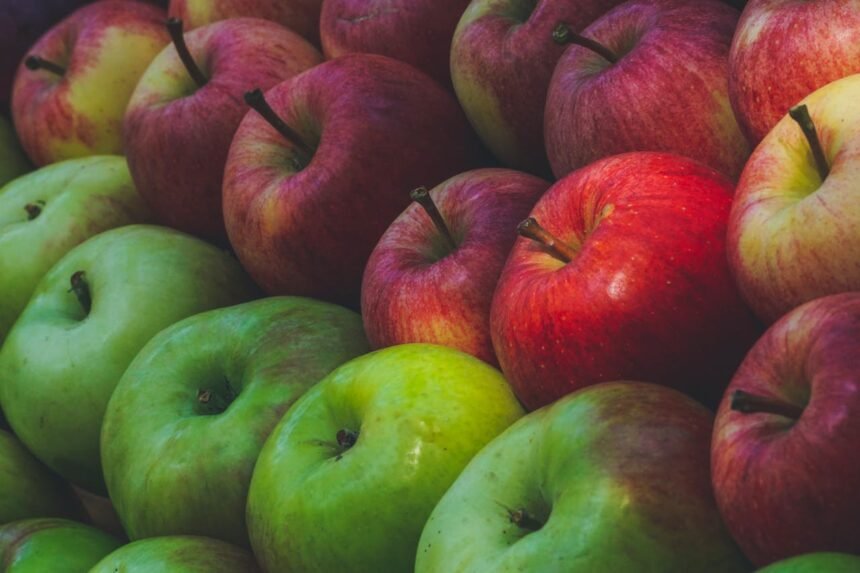
Sometimes, a craving isn’t just about taste; it is about texture. If you are reaching for chips or cookies for the crunch, apples are the ultimate substitute. The old adage about an apple a day holds weight; they are rich in pectin, a soluble fiber that breaks down slowly in the gut.
According to the Mayo Clinic, high-fiber foods take longer to chew and digest, making you feel fuller for longer on fewer calories. Pair an apple with a tablespoon of almond butter to add healthy fats, further stabilizing your blood sugar.
3. Dates: Nature’s Caramel
If you are craving something chewy and intensely sweet, like caramel or fudge, Medjool dates are the answer. They are higher in sugar than berries, so portion control is key, but their flavor profile is unmatched.
- Nutrient Profile: Dates are high in potassium and magnesium.
- Culinary Use: They can be blended into energy balls or stuffed with walnuts for a satisfying, rich snack.
4. Citrus Fruits: Hydrating Sweetness
Dehydration often masquerades as hunger. Oranges, grapefruits, and clementines offer a burst of hydration alongside sweetness. The Centers for Disease Control and Prevention (CDC) suggests eating whole citrus fruit rather than drinking juice to benefit from the fiber that regulates absorption.
5. Bananas: The Creamy Substitute
Craving ice cream or pudding? Bananas are unique because of their creamy texture. As bananas ripen, their starch converts to sugar, making them sweeter. Frozen bananas can be blended into “nice cream,” a dairy-free, no-added-sugar alternative to ice cream that satisfies the desire for a frozen treat.
Nutrient Comparison: Processed Snacks vs. Fruit
To visualize why swapping to healthy fruit alternatives for cravings is impactful, let’s compare standard processed snacks against fruit options.
| Snack Item | Calories | Total Sugar (g) | Fiber (g) | Added Sugar? | Nutrient Density |
|---|---|---|---|---|---|
| Milk Chocolate Bar (1.5 oz) | ~230 | 22g | < 1g | Yes | Very Low |
| Gummy Bears (17 pieces) | ~140 | 18g | 0g | Yes | None |
| Medium Apple (with skin) | ~95 | 19g | 4.4g | No | High (Vit C, Potassium) |
| Raspberries (1 cup) | ~65 | 5g | 8g | No | Very High (Antioxidants) |
| Medjool Dates (2 dates) | ~133 | 32g | 3.2g | No | High (Magnesium, B6) |
Data estimated based on standard USDA nutrition databases.
Tropical Fruits: Managing the “Sugar” Fear
There is a misconception that tropical fruits like mangoes, pineapples, and melons should be avoided due to high sugar content. While they are sweeter, they offer nutritional benefits that processed sugar never could.
Mangoes, for instance, are rich in Vitamin A and Vitamin C. According to the National Institutes of Health (NIH), Vitamin C is crucial for collagen synthesis and immune function. When eating sweeter tropical fruits, simply be mindful of portion sizes or pair them with a protein source (like Greek yogurt) to mitigate blood sugar spikes.
The Role of Healthy Fats: Avocados
Technically a fruit, the avocado is a savory powerhouse. Sometimes cravings are driven by a need for fat rather than sugar. Avocados are loaded with monounsaturated fats, which are heart-healthy and incredibly satiating. A slice of avocado on whole-grain toast can curb hunger pangs effectively, preventing the sugar crash that leads to further cravings.
Creative Ways to Incorporate Fruits
Boredom is a major enemy of healthy eating. If eating a plain banana sounds unappealing, try these methods to make fruit exciting:
- Frozen Grapes: Wash red grapes and freeze them. They turn into mini sorbet bites—perfect for hot days.
- Fruit Kabobs: texture and presentation matter. Skewering melon, pineapple, and berries makes snacking fun.
- Baked Pears: Sprinkle cinnamon on pear halves and bake them. The heat caramelizes the natural sugars without needing additives.
- Chia Jams: Mash raspberries with chia seeds. The seeds absorb the juice to create a jelly-like texture perfect for toast, without the high fructose corn syrup of store-bought jams.
Dried Fruit: A Word of Caution
Dried fruit—like raisins, apricots, and cranberries—can be a double-edged sword. While they are technically healthy fruit alternatives for cravings, the drying process concentrates the calories and sugar. The Academy of Nutrition and Dietetics advises checking labels for “added sugar” (common in dried cranberries) and sticking to small portions, as it is easy to overconsume calories when the water volume is removed.
Red Grapes and Resveratrol
Red grapes offer more than just hydration and sweetness; they contain resveratrol. This phytochemical has been studied for its potential anti-inflammatory and cancer-fighting properties. Information from the Linus Pauling Institute suggests that whole food sources of resveratrol are a beneficial addition to a preventative diet.
Conclusion: Making the Switch
Transitioning away from processed sugar is a journey, not an overnight fix. Your palate will eventually adjust; as you reduce processed sugar intake, whole fruits will begin to taste sweeter and more satisfying. By choosing healthy fruit alternatives for cravings, you are not depriving yourself—you are upgrading your fuel.
Next time the 3:00 PM slump hits, skip the vending machine. Reach for a crisp apple, a handful of berries, or a creamy banana. Your brain will get the reward it seeks, and your body will thank you for the nutrition.
Disclaimer: This article is for informational purposes only and does not constitute medical advice. Always consult with a healthcare professional or registered dietitian regarding your specific dietary needs.