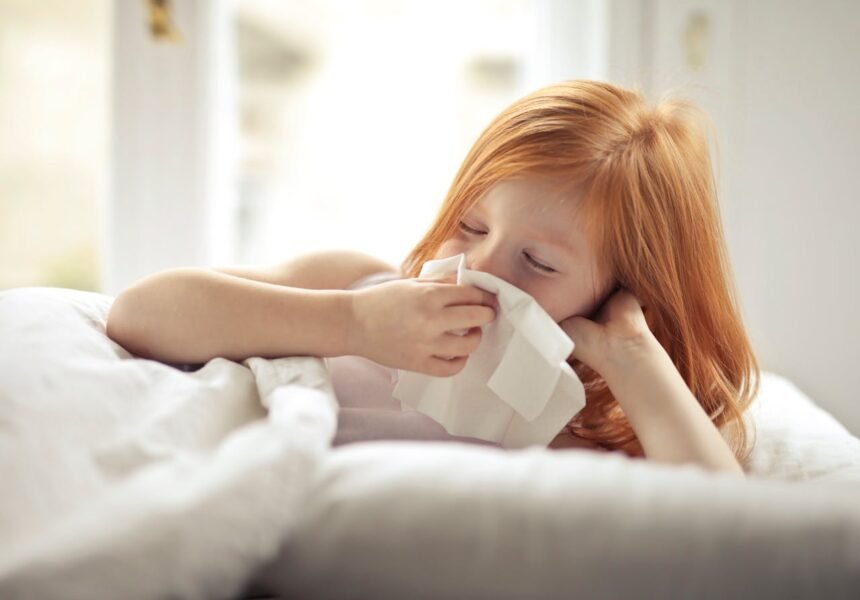
Spring and summer in the UK bring longer days, blooming gardens, and, unfortunately for many families, the onset of seasonal allergies. If you have noticed your little one sniffing, rubbing their eyes, or feeling generally miserable as the weather warms up, they might be part of the 10-15% of children in the UK affected by hay fever.
Also known as seasonal allergic rhinitis*, this condition can turn sunny days into a challenge. While it is rarely serious, untreated hay fever can significantly impact a child’s sleep, school performance, and overall happiness. This guide breaks down everything you need to know about managing seasonal allergies in kids, from spotting the first signs to finding the *best antihistamine for child UK use.
What is Seasonal Allergic Rhinitis?
Seasonal allergic rhinitis, commonly called hay fever, is an allergic reaction to pollen from trees, grasses, and weeds. When a child with this allergy inhales pollen, their immune system identifies it as a harmful invader. In response, the body releases chemicals like histamine, which causes inflammation in the nose, eyes, and throat.
According to Allergy UK, grass pollen is the most common culprit, affecting the majority of sufferers from late spring to early summer. However, tree pollen can start as early as February, meaning symptoms can persist for months.
Spotting the Signs: Common Symptoms
Identifying hay fever can be tricky, especially in younger children who cannot articulate how they feel. You might mistake the symptoms for a lingering summer cold. Key signs of pollen allergy in kids include:
* Frequent sneezing: Often in fits or bursts.
* Runny or blocked nose: The mucus is usually clear and thin, unlike the thick yellow/green mucus of a cold.
Itchy, red, or watery eyes:** This is one of the most distressing symptoms. You may investigate *itchy eyes in children causes and find pollen is the primary trigger.
* Itchy throat, nose, and ears.
* Fatigue: Due to poor sleep quality caused by congestion.
In some cases, you might notice swollen eyes allergies toddler* sufferers experience, which can look alarming but usually subsides with treatment. Occasionally, a **hay fever cough in child** cases can develop due to post-nasal drip (mucus running down the back of the throat). Less commonly, children may develop a *pollen allergy rash children sometimes get on their face or hands after touching grass.
> Note: If your child has asthma, hay fever can be a trigger for an attack. It is vital to manage both conditions together. See Asthma + Lung UK for advice on the pollen-asthma link.
Hay Fever Symptoms in Toddlers
Hay fever symptoms in toddlers can be harder to spot. They may become irritable, rub their faces constantly, or seem ‘off’ without a clear reason. Since they cannot blow their noses easily, they may sniff constantly or breathe through their mouths.
Is it a Cold or Hay Fever?
Knowing the difference between cold and hay fever in child health is crucial for choosing the right treatment.
| Feature | Hay Fever (Allergy) | Common Cold (Virus) |
| :— | :— | :— |
| Duration | Lasts weeks or months (as long as pollen is present) | Usually clears up in 1-2 weeks |
| Mucus | Thin, clear, watery | Thick, changing from white to yellow/green |
| Fever | No fever | High temperature is common |
| Itchiness | Intense itching (eyes, nose) | Mild or no itching |
| Timing | Worse outdoors or on high pollen days | Constant, regardless of location |
For a detailed medical breakdown, NHS Inform provides excellent regional advice.
Diagnosis: When to See a GP
Most cases of hay fever can be managed at home. However, you should see a GP if:
* Over-the-counter medicines are not working.
* Your child is wheezing or short of breath.
* The symptoms are affecting their sleep or schoolwork significantly.
Your GP may discuss allergy testing for children NHS* pathways if the diagnosis is unclear or if they suspect multiple triggers. This might involve skin prick tests or blood tests to confirm if the reaction is due to **grass pollen allergy symptoms** or *tree pollen allergy treatment needs.
Comprehensive clinical guidance can be found through NICE CKS, which outlines how doctors assess severity.
Medical Treatments for Children
Effective seasonal allergic rhinitis treatment often involves a combination of avoidance and medication. Always read the label to ensure the medicine is age-appropriate.
1. Antihistamines
These block the action of histamine.
Cetirizine** and *Loratadine are common non-drowsy options.
* When looking for the best antihistamine for child UK pharmacies offer, liquids (syrups) are available for younger children (often 2+ years), while tablets suit older kids.
2. Nasal Sprays
Steroid nasal sprays reduce inflammation. They are often more effective than antihistamines for clearing a blocked nose but take a few days to work.
3. Eye Drops
Sodium cromoglicate eye drops can soothe itchy, watery eyes.
For specialist advice on complex cases, Great Ormond Street Hospital (GOSH) offers robust information for parents.
Natural Remedies and Home Prevention
Many parents prefer to start with non-medicinal approaches, especially for very young children. While there are no “cures,” these methods can reduce exposure.
Limiting Pollen Exposure
Protecting kids from high pollen count days is the first line of defence:
* Check the Forecast: Use the Met Office pollen calendar to plan indoor activities on high-count days.
* Wrap-around Sunglasses: These stop pollen entering the eyes.
* Change Clothes: Have children change and wash their hands/face immediately after playing outside.
* Vaseline Trick: Apply a small amount of petroleum jelly around the nostrils to trap pollen before it enters the nose.
Indoor Air Quality
Using an air purifier for allergies UK models often target (HEPA filters) can help remove pollen that drifts indoors. Keep windows closed during early morning and late afternoon when pollen counts peak.
Natural Aids
For natural remedies for hay fever in babies* (where medication is restricted), saline nasal drops are excellent for washing away pollen from the nose. Some parents find local honey helpful, though evidence is anecdotal, and it *must not be given to children under 12 months. Healthline offers a list of home remedies, though always consult a GP before trying herbal supplements.
Understanding Pollen Triggers
Different plants release pollen at different times:
* Tree Pollen (Feb–June): Birch, oak, and plane trees are common UK culprits. If your child sneezes in early spring, this is likely the cause.
* Grass Pollen (May–July): The most common trigger in the UK.
* Weed Pollen (June–Sept): Dock, nettles, and mugwort.
Resources like Patient.info provide detailed charts on these seasonal triggers.
Managing Allergies at School
Hay fever can affect concentration. A study by Allergy UK highlighted that symptoms can drop a student’s exam grade if untreated.
* Inform the teacher if your child has severe allergies.
Ensure medication is taken *before school (non-drowsy is essential).
* Ask if they can stay indoors during break times when the grass is being mown.
When It Is More Than Hay Fever
Rarely, allergies can be severe. If your child has swelling of the lips, tongue, or difficulty breathing, this could be anaphylaxis, a medical emergency. Anaphylaxis UK provides vital education on severe allergic reactions. Additionally, Mayo Clinic offers a global perspective on complications to watch for.
Summary
Dealing with seasonal allergies requires patience. By combining seasonal allergic rhinitis treatment, practical avoidance strategies, and keeping an eye on the NHS guidelines, you can ensure your child enjoys the British summer—sneezes and all.
—
Frequently Asked Questions (FAQ)
1. Can toddlers get hay fever?
Yes, though it is less common in babies under two. Hay fever symptoms in toddlers often appear after they have faced a few pollen seasons. If a baby has a runny nose in summer, consult a GP to rule out other causes.
2. What is the best time of day for children with allergies to play outside?
Pollen counts are typically highest in the early morning and late afternoon/early evening. The best time for outdoor play is often after it has rained (which clears the air) or during the middle of the day when counts might dip slightly.
3. Are there any permanent cures for hay fever in children?
Currently, there is no cure. However, some children outgrow it. For severe cases, immunotherapy (desensitisation) might be available through the NHS, which involves gradual exposure to the allergen to build immunity.
4. Can I give my child local honey to help with allergies?
Some people believe eating local honey desensitises the body to pollen. While safe for children over 1 year old, scientific evidence supporting this is limited. It should not replace prescribed medication.
5. How do I distinguish between COVID-19 and hay fever?
Hay fever does not cause a high temperature or a loss of taste/smell (though a blocked nose can affect smell). Continuous coughing and fever are key signs of COVID-19 or flu, whereas itchy eyes and sneezing are classic hay fever signs. Check KidsHealth for more comparative symptoms.